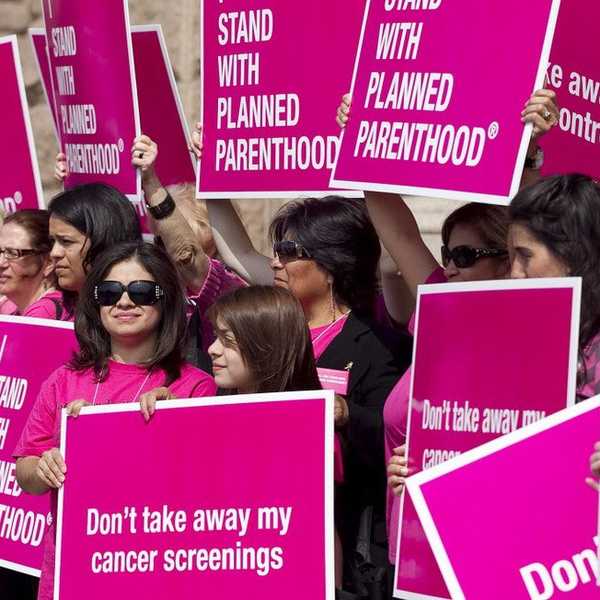
In light of the recent vote on Planned Parenthood funding, more attention has been given to the ever present controversy surrounding the abortion services provided, and whether or not they warrant defunding the entire organization.
With all the focus dedicated to the discussion of abortion, we have lost sight of the breadth of services offered by Planned Parenthood. The topic of discussion must be changed from the myopic focus solely on abortion services provided by Planned Parenthood, and expanded to include the necessary health services offered, and the importance of continuing to fund the organization.
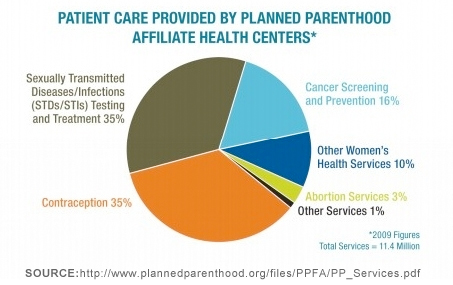
According to Planned Parenthood’s reports, authenticated by factcheck.org, abortions only account for roughly 3 percent of what the organization has to offer. Based on the breakdown of services provided, abortion carries far too much weight in the debate surrounding the necessity and morality of the organization. As confirmed by The Washington Post, 35 percent of the services offered by Planned Parenthood are accounted for by STD testing for both men and women, and 16 percent of the services are dedicated to cancer screening.
Debating Planned Parenthood’s abortion services without taking into account the other health services available is detrimental to those dependent on these often overlooked -but necessary- services.
As well as the majority of services that Planned Parenthood offers, the significance of the client base of the organization goes mainly undiscussed. 75 percent of those that depend on Planned Parenthood services have incomes below 150 percent of the poverty line, meaning that if Planned Parenthood were to lose federal funding, many would go without the health services they need.
Legislators claim that defunding Planned Parenthood and redistributing funds to local family clinics that do not offer abortion services would solve the issue of leaving millions without care. Though local clinics could benefit from more funding, the 75 percent would not likely have access to those local clinics, and in large states, despite being abundant, local clinics would be too far away for many to depend on.
This lack of care caused by defunding Planned Parenthood is a phenomena that has already begun in Texas. Funding for the Medicaid Women’s Health Program (the local equivalent of Planned Parenthood) has been decreasing for years, and has seen the consequences.

Between 2011 and 2013, when Texas removed funding, there was an average 25 percent drop in the amount of women getting sexual health care, with some parts of the state reporting up to 50 percent drops. Withholding funding for Planned Parenthood, as foreshadowed by the progression of budget cuts in Texas, would be detrimental to public health.
On July 3, the senate blocked the 53-46 bill, which would have revoked federal funding from Planned Parenthood. The continuing showdown regarding a woman’s access to sexual health services highlights exactly how skewed the discussion regarding Planned Parenthood has become.
Cries to defund and devastate the organization are centered around ending federal support for abortion. “It should be a very easy decision that taxpayer funds will not go to fund an ongoing criminal enterprise,” said Republican Senator Ted Cruz from Texas, despite the continuing relevance of The Hyde Amendment. The Hyde Amendment was passed in 1976, and prohibits federal funding paying for abortions through the health care services provided by Medicaid.
The only exceptions that have been made to The Hyde Amendment have been to account for abortions in case of rape, incest, or a pregnancy that endangers the life of the mother. The law assures that federal funds given to Planned Parenthood goes towards cancer screenings, STI testing, or any other service besides abortion. This legal provision effectively prevents federal dollars from funding abortions, nullifying the complaints that any taxpayer dollar can enable an abortion.
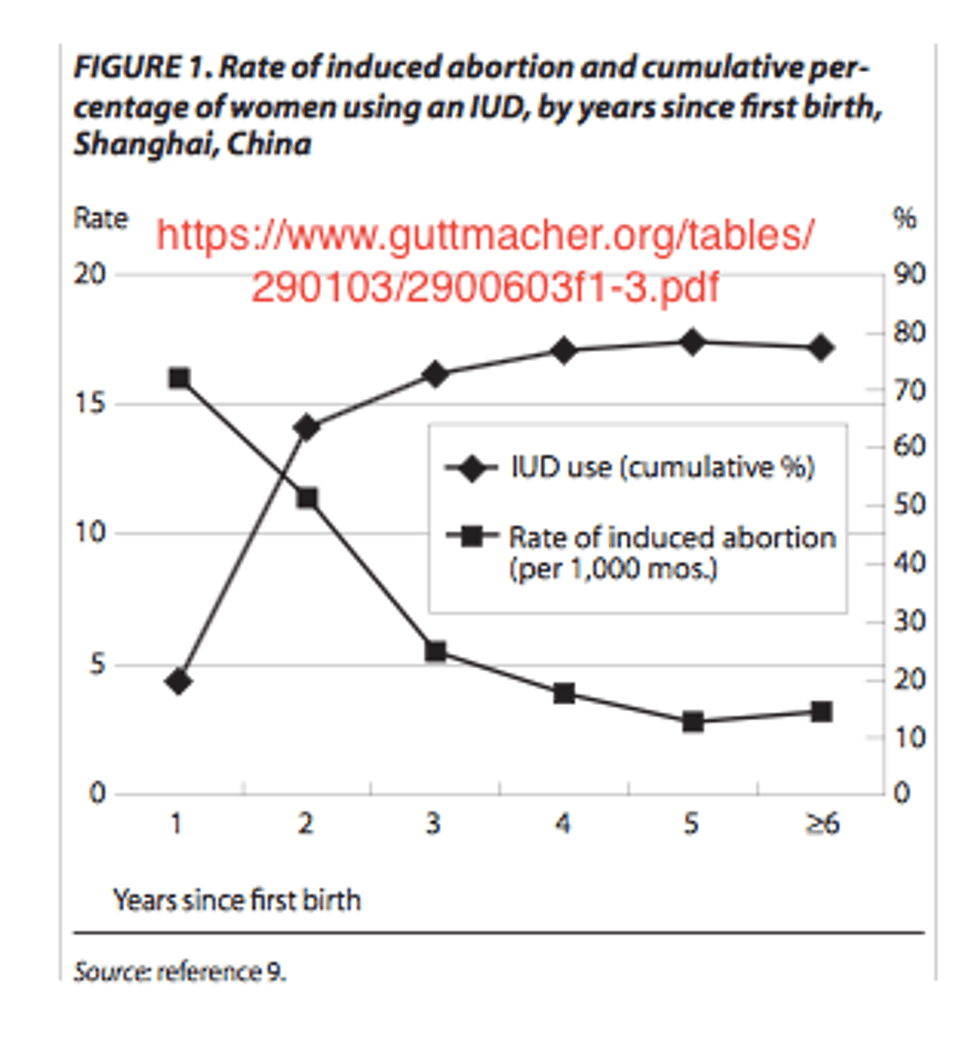
Revoking federal funding for Planned Parenthood would not only reduce the accessibility of contraception, cancer screening, and STI testing, but access to safe abortion.
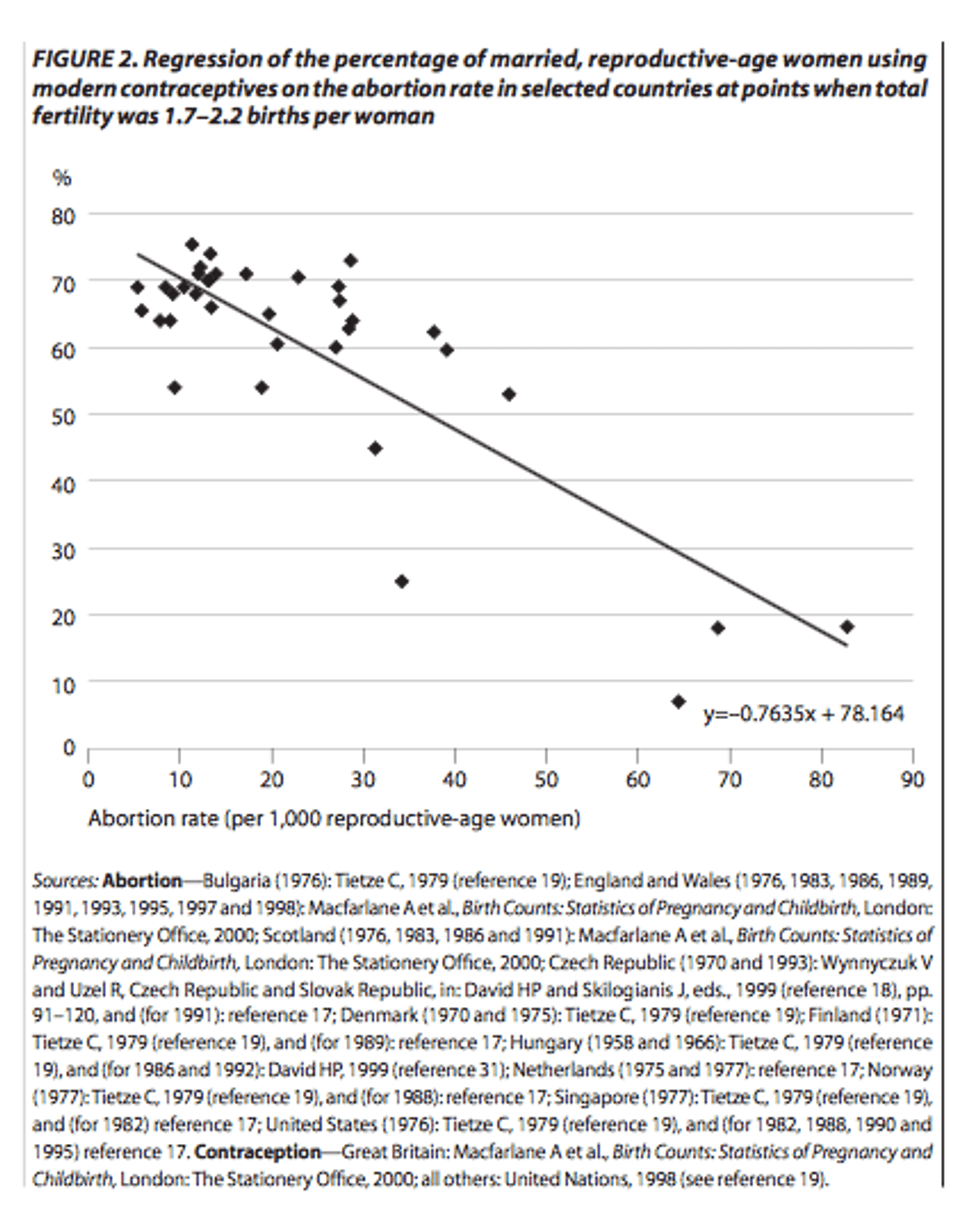
If there is no program to provide resources and education about safe sex, logic follows that there would be less access to contraception, therefore higher rates of unwanted pregnancies, which many women have dealt with conducting unsafe abortions themselves. Conclusions drawn by studies conducted by the Guttmacher Institute, show that as access to contraceptives rises, incidences of abortion fell, and in the case of Planned Parenthood, access to contraceptives is most often found alongside access to abortion.