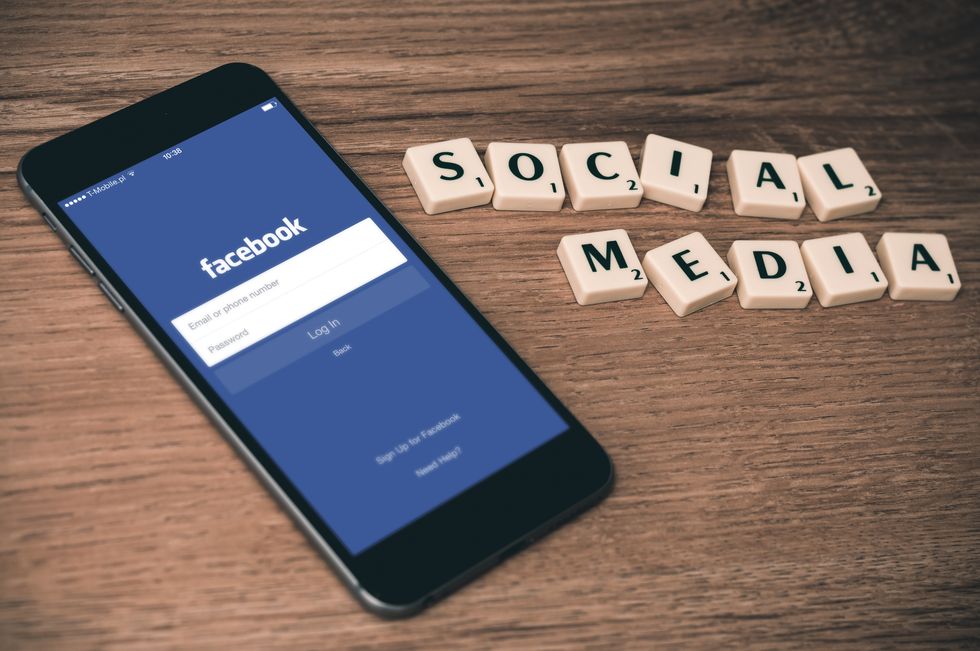
When I was younger, I never questioned why I downloaded social media apps such as Instagram other than for the fact that everyone else was. I believe this is also the case for many people as we have a tendency to follow trends without taking into account the possible impact on us. However, as a Freshmen in college now, the detrimental effects of it on my mental health and psyche are very apparent.
I developed severe anxiety and then fell into a mild depression through how I was using and processing the information I received from these apps. I initially blamed it on the tough adjustment to attending college in an extremely new environment. However, the problem seemed to lie much deeper than that my college just wasn’t a right fit and that I didn’t belong there. In reality, I wasn’t happy anywhere I went.
I ultimately found that social media was responsible for the majority of my stressors and, specifically, the cultures of Instagram and Snapchat were to blame. These apps are designed to share photos and emulate others lives, creating a reality based on unrealistic expectations and fake approval. They are utilized for showcasing our “aesthetics” and only photogenic images will attain the “likes” and approval of others, which creates a perception that you are not allowed to post photos about your personal adversities.
This is why I wasn’t alone in my struggles, but I believed I was. This is also apparent as many people will have “finstas” or private accounts where they will post about their personal lives and have only the people they trust follow it. However, even posting about your deepest insecurities on this app is uncommon because the expectation of presenting a picture-perfect life has caused us to view emotions and talking about them as taboo and extremely uncomfortable.
In the New York Times article, The Secret Social Media Lives of Teenagers, researchers at the University of California, Los Angeles “found that the areas of teens’ brains focused on reward processing and social cognition are similarly activated when they think about money and sex – and when they view a photo receiving lots of likes on social media.” An extremely frightening revelation that many teenagers ultimately seek validation and base their self-worth off their photos. These apps create a cultural atmosphere affecting multiple generations who are subscribing to social media thinking they will be accepted, desired, loved and, most concerning, have an identity in the place of the social and life experiences they are now not having.
For me, social media specifically provided a platform to critique and compare my life to others solely based on their photos or videos. I was constantly seeing what others had and what I didn’t. Because of the disparity between us, I believed I was doing something wrong or that something was wrong with me to not already have a stable friend group or numerous new friends showing up on my feed.
Even though no one would explicitly tell me these things, I would infer it from observing what I didn’t have. As an experiment, I deleted Instagram and Snapchat, the only two apps I utilized on a daily basis. I started focusing the energy and time I would spend on my phone into more productive things like exploring my interests and physically doing activities to learn about them. The effects were immediate as my anxiety and depression significantly reduced and I was startled by the simplicity of life it brought.
I no longer concerned myself with the affairs of people I had no interest in keeping in contact with and followed out of social politeness and acceptance. Now I see these apps as a means to mainly either network, discover things about my aspirations, or expand my mind intellectually and I still have them to stay up to date on my friends. But the presence of it in my life has decreased immensely.
Presently, I no longer feel the addictive impulse, stress and pressure to check them every day, every minute, every hour, and rapidly scroll through my feeds to desperately see what everyone is posting to stay relevant. Instead, if I want to know how a friend is doing, I will call or text them.
A tweet by Noah Smith stuck with me, and it said, “15 years ago, the internet was an escape from the real world. Now, the real world is an escape from the internet."
I used to think social media was a distraction from our lives, but I now believe it is inadvertently utilized to critique and obsess about our own and then it becomes our lives. I’m not encouraging you to abandon all forms of social media and go off-grid. But rather, assess and become more aware of its role in your life. One of the trickiest things about it is the versatile effects it has on different individuals brains, meaning even though social media was a negative force on me it may not be on you.
However chances are it’s more extensive than you think because society deems this behavior as normal and our standard, making it even deadlier and inconspicuous.