

"Some people talk to animals. Not many listen though. That's the problem.” - A.A. Milne, author of "Winnie the Pooh"
I am and always have been an animal lover. I also assume that if you ask most people if they like animals, their answer will be yes. It is easy to love cats and dogs because they are our pets; in most homes they are considered part of the family. However, this has always made me wonder – what about the animals that aren't loved like our pets? The animals that most of society considers ugly or gross are the animals many people consume or abuse on a daily basis without even knowing. I believe all living things deserve an equal chance, which is why I try to use cruelty-free hygiene and beauty products.
When I decided to take on the challenge of converting to completely cruelty-free products, I didn't realize it would come with its own set of challenges and frustrations. Here are some tips and tricks I've picked up through my research and experience when hunting for items that support our furry friends!
1. Read the labels.
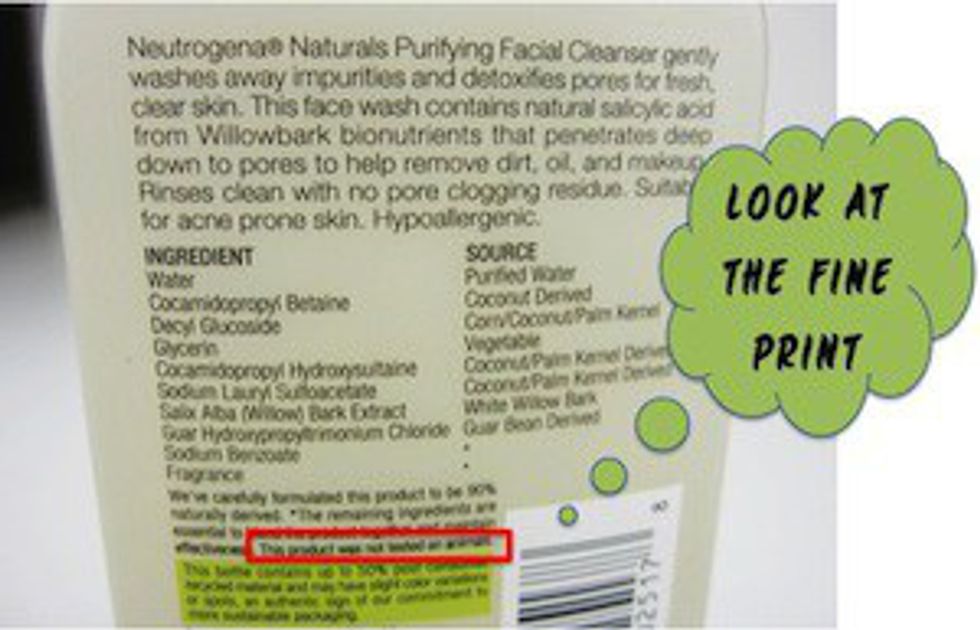
As obvious as this sounds, there are ways companies can manipulate the wording on labels to make it seem like a product is cruelty free when it actually isn't. For example, on many shampoo and other soap bottles you will see, "Final product not tested on animals." While this is all fine and dandy, this phrase doesn't mean that the ingredients in the product were not tested on animals. While what you are actually putting on your body might be cruelty free, the materials and experiments that went into it are not. That doesn't sound too critter friendly to me!
2. Look for the bunnies.
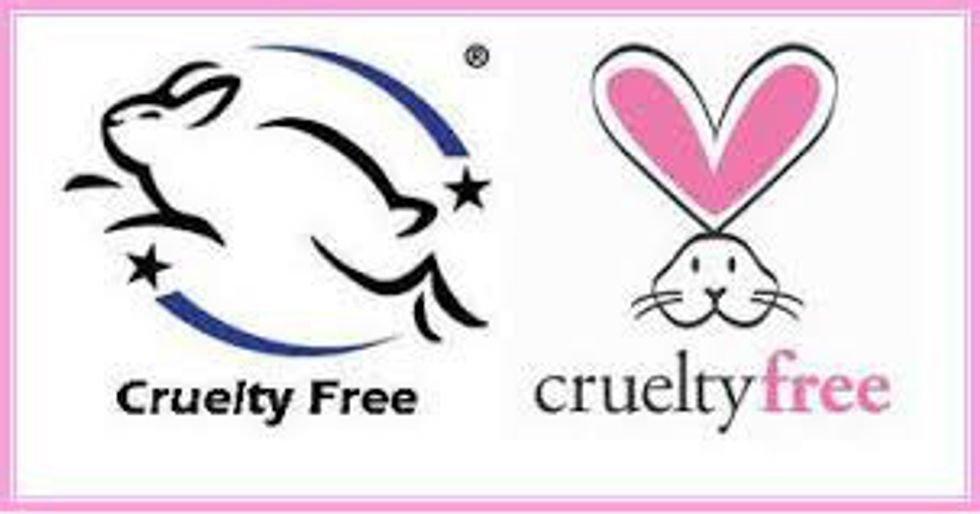
There is a pretty easy way to spot a cruelty-free product, and that is one of the these two rabbit logos. The first is the leaping bunny, which represents the Coalition for Consumer Information on Cosmetics (CCIC). On their website, consumers can check out the compassionate shopping guide, which lists all sorts of companies and products that are 100 percent cruelty free. The second belongs to PETA (People for the Ethical Treatment of Animals) and is called the caring consumer logo. While there has been some recent controversy over PETA and rumors regarding their treatment of all animals, they do only support products that are cruelty free.
3. Know your stuff.
I like to believe the main reason most people don't shop cruelty free is because they simply aren't aware of how horribly the animals involved are treated. There are no laws or regulations that protect these animals, so every test is legal, no matter how cruel, painful, or unnecessary it is. These tests aren't just limited to rabbits and mice either. Inside and outside of the beauty realm, testing (like medical, for example) is performed on dogs and cats due to their larger organ size and brain function. Each year, over 100 million animals are burned, crippled, poisoned and abused in the United States. Now, there are plenty of other ways to test products that don't involved animals.
- In Vitro Testing is the creation of microchips lined by human cells that mimics the structure and function of human organs and organ systems. This version of testing has been proven to be more accurate than animal experiments.
- Quantitative structure-activity relationships (QSARs) are computer-based techniques that can replace animal tests by making estimates of a substance’s likelihood of being dangerous, based on its similarity to existing substances and our knowledge of human biology.
- Human-Patient Simulators are lifelike "fake humans" that can breathe, bleed, talk, and die. This technology is more effective in teaching physiology.
4. Become a master of the DIY.
Some of the items you'll find, like I did, prove that "it ain't cheap loving animals." Being a college student, I can't afford to go out and drop $50 on a moisturizer. Luckily, there are tons of DIY products all over the internet which work just as well, or even better, and save you a boatload of cash. One I've been a fan of for a while now is a DIY facial toner. Many beauty gurus say that toner is an optional part of your facial care routine and not a necessity, but I enjoy using one because of its ability to clear and refresh the skin.
For this toner, you'll only need a few ingredients! It's a great DIY to start out with if you're new to the "making your own beauty products" game.
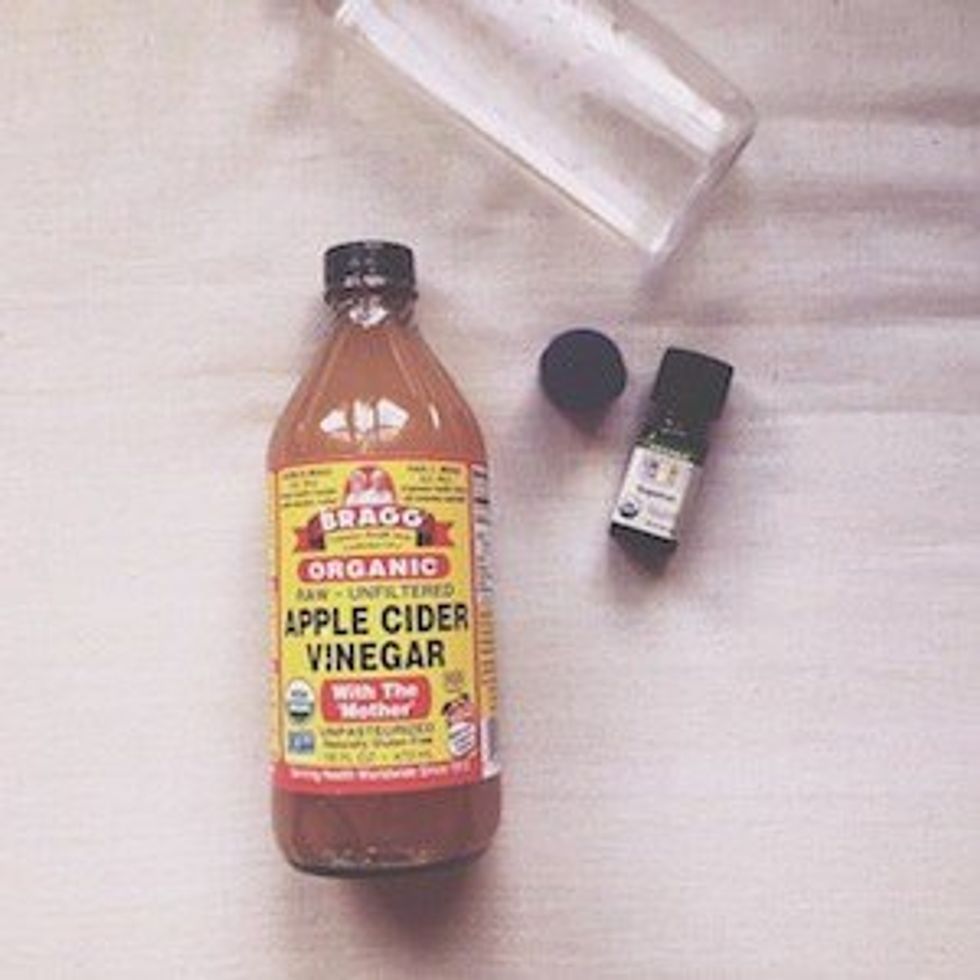
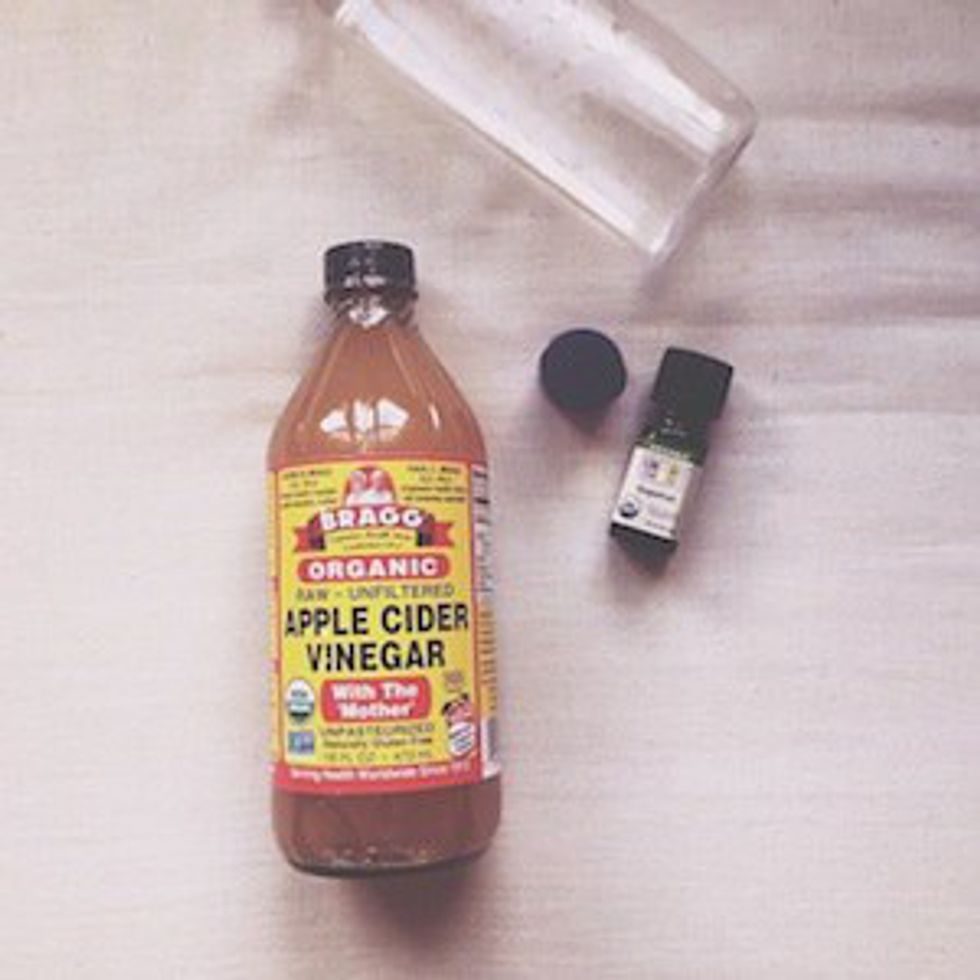
First, if you don't already have any, you'll need to purchase an organic apple cider vinegar. I love Bragg's unfiltered organic apple cider vinegar, which you can order online for pretty cheap or buy at any health foods store. Depending on the sensitivity of your skin, you're going to dilute the ACV. I usually go with one part ACV to three parts water, but you can adjust this until you find your perfect formula.
Lastly, and this step is optional, is to add essential oils. My favorite choices here are anything citrus (grapefruit, lemon, etc.) or peppermint, as both have antiseptic and detoxifying properties. There are so many easy formulas just like this one that can get the job done and don't cost you a pretty penny!
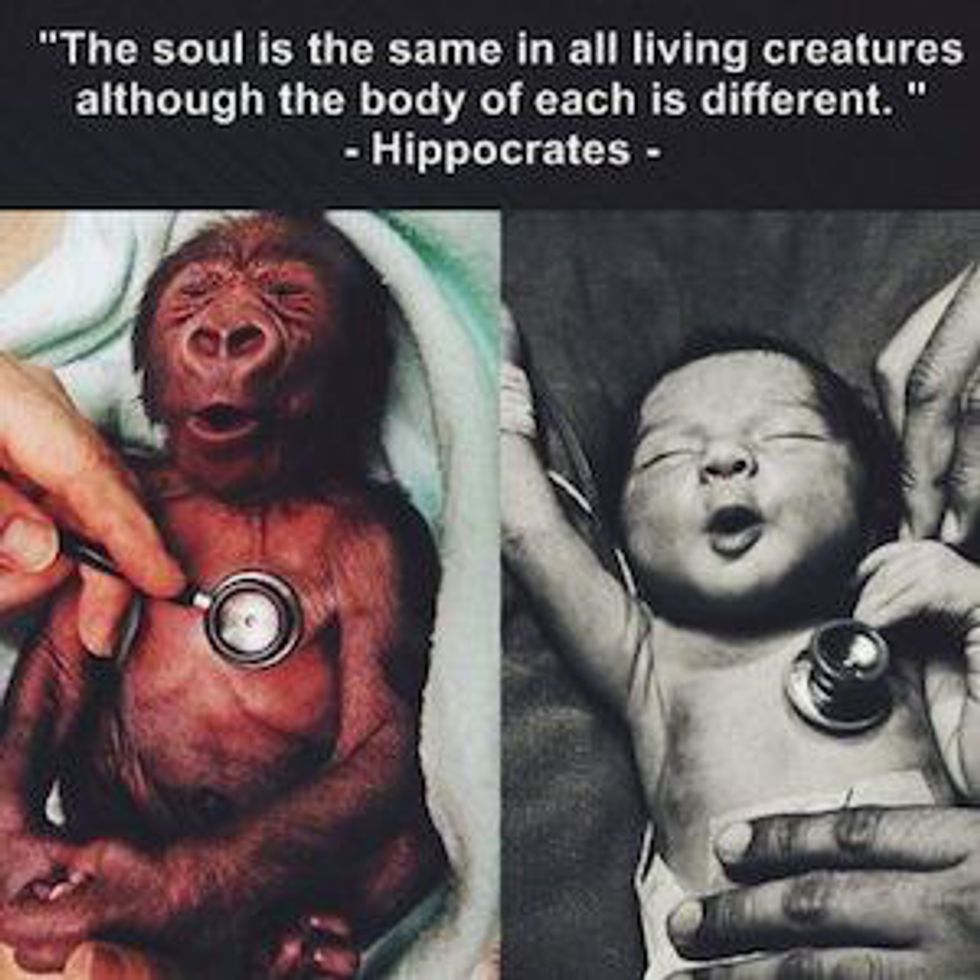
Animals have no control over what we as humans decide to do to them. I believe that it is our duty to protect and advocate for those who cannot speak up for themselves. Though using products that are not tested on animals is only a small step, it matters and is important in the journey toward a cruelty free, compassionate world.
photos:
http://veganmichigan.org/take-action/
http://www.onegreenplanet.org/lifestyle/how-to-rea...
http://www.fanpop.com/clubs/rats/images/29041864/t...
http://ink361.com/app/users/ig-1517203319/veganflo...