

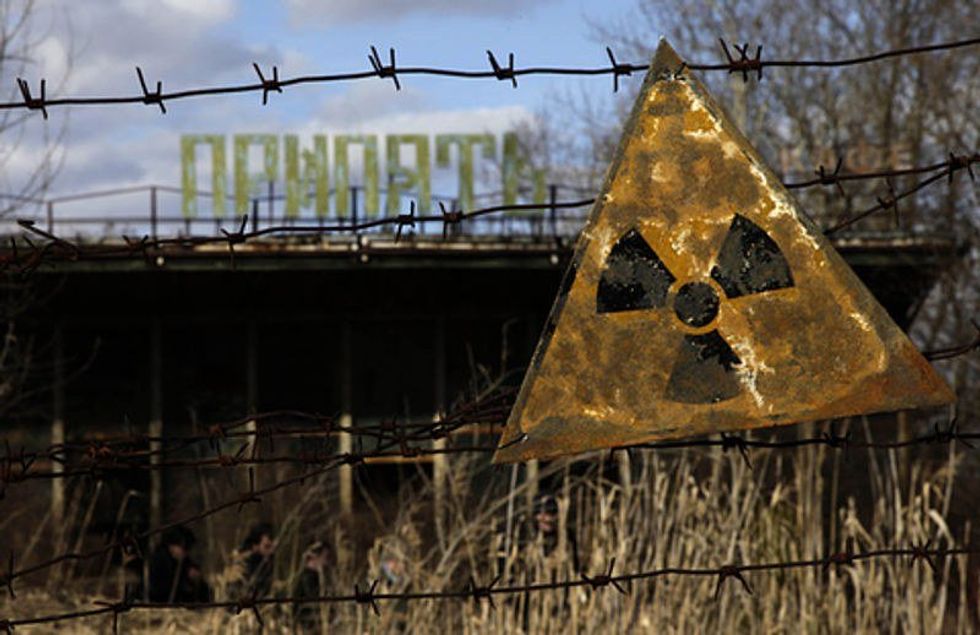
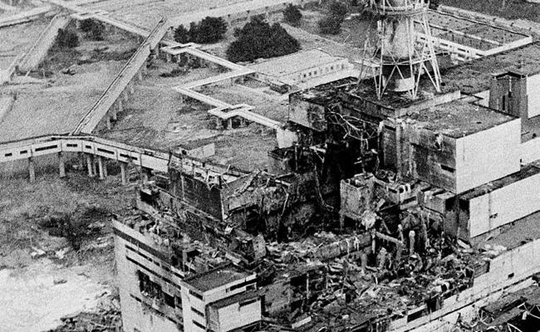
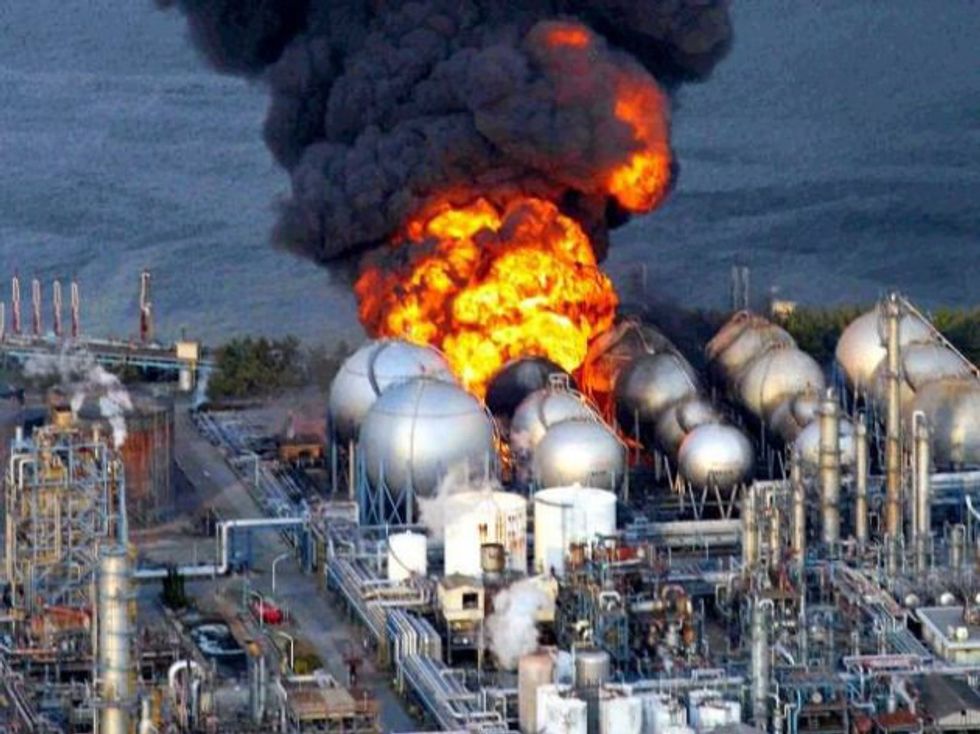
This year is the fifth anniversary of the meltdown of a nuclear plant at Fukushima and the 30-year anniversary of the meltdown at Chernobyl. While these two disasters occurred years ago, the people living in close proximity to the two sites are still facing the consequences.
While nuclear plants work efficiently and are relatively environmentally friendly if they function properly, their possible consequences are devastating.
Today, nuclear power is highly disputed, as many people try to find alternative energy sources to reduce pollution. Although many people don’t know what to believe, my stance is firm. I strongly oppose the use of nuclear power plants and here are some reasons why:
1. People have to evacuate their homes
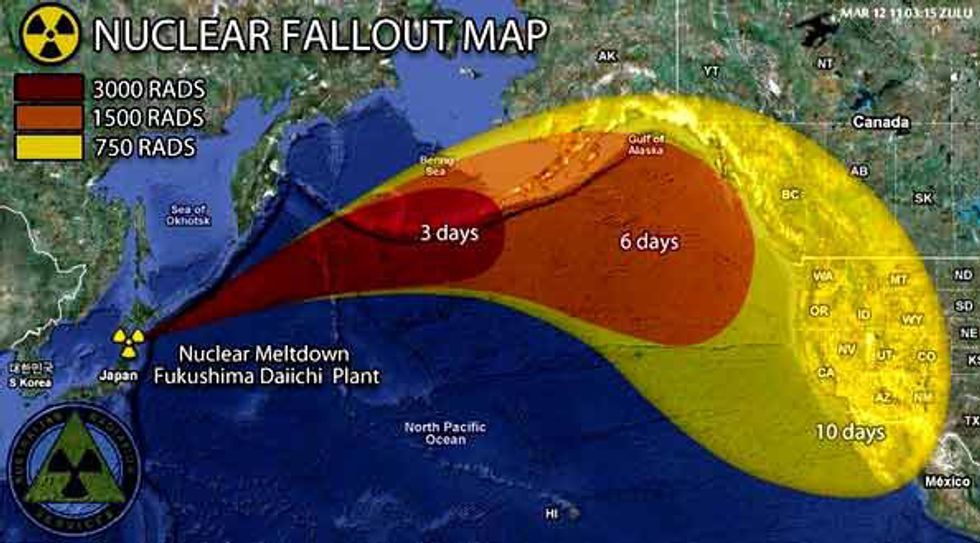
If a nuclear plant meltdown occurs, the radiation spreads, which poses a great risk to people living near the plant. People who have established lives for themselves close to the plant are forced to move further away, often leaving much behind. At Fukushima, 164,865 people fled from their homes, and five years later 97,320 have yet to return.
2. We don’t really know what to do about nuclear waste
While there are places to store nuclear waste—some waste is stored underground in salt mines—there is not one permanent solution. There is constant debate over what do with waste, whether to put it underground, store it in dry casts above ground or reprocess it. It’s obvious that the radioactive waste is a threat to the environment and to the health and safety of humans, and yet we don’t know where to safely put it. Currently, one in three Americans live within 50 miles of nuclear waste. In addition to not having a definitive solution for waste disposal, there are accounts of sites containing low-level waste that is leaking into the environment, like Drigg in the UK.
3. Food can become contaminated
If nuclear waste leaks or a meltdown occurs in a plant, radiation contaminates soil and water, resulting in food products absorbing unhealthy amounts of radiation. Even 30 years after Chernobyl, locals are still consuming food containing radiation, such as milk, bread and local produce. Many of these locals are too poor to choose not to eat the food. They are forced to make short-term decisions to prevent hunger, rather than long-term decisions that would reduce the risk of cancer. Even today, cancer rates are higher in areas affected by the radiation of nuclear power plants, and will continue to be affected for years to come.
4. Nuclear disasters take a long time to clean up
Five years later, the cleanup effort at Fukushima appears to have just started. There are still 45 municipalities that have yet to be decontaminated, 760,000 tons of contaminated water stored at the plant and 10.7 million one-ton bags containing radioactive debris which sit just outside the plant. The cleanup effort will take years, and even after the waste is disposed of and the water is decontaminated, the long-term effects of this disaster will continue to impact the communities of and surrounding Fukushima.
There have been many debates on using nuclear power, and there will be many more as world leaders and environmental activists try to move the world in a greener direction. While there are many nuclear power proponents, I cannot stand with them. How can we support a form of “cleaner” energy, that poses tremendous risks to humans and the environment?
Fukushima and Chernobyl stand as perfect and unfortunate examples of why we should be pushing for other forms of renewable energy like solar and wind, and not continuing the hazardous use of nuclear power.