
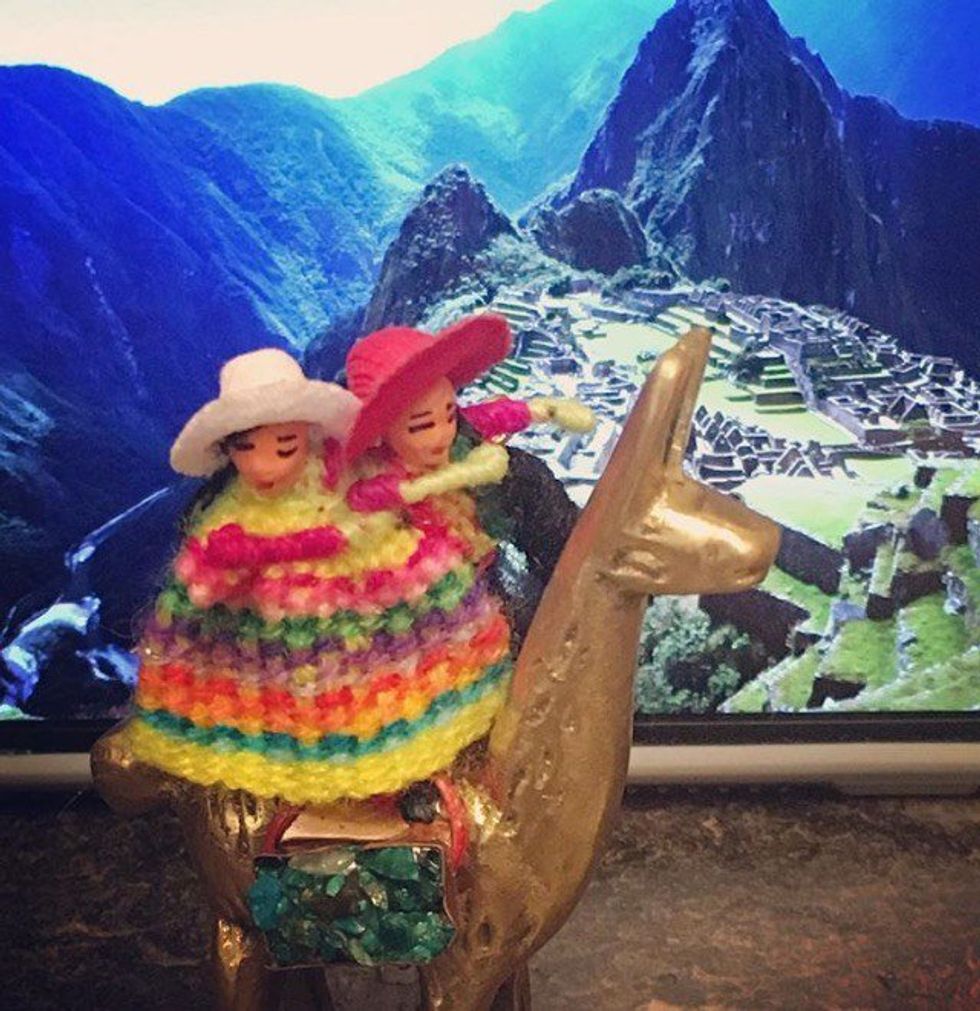
Peruvian cuisine is one of the leading cuisines in the world. But are you LLAMA enough to experience the flavors?
Peru is one of the most diverse countries in the world. Historically, people from all the continents (OK, maybe not Antarctica) have migrated to Peru and brought not only their languages, but also their customs. And that, my friends, includes food.
As a native Peruvian who now resides in the United States, I have realized that all of these immigrants who came to Peru have enriched the culinary culture of the country by donating their flavors of their previous homelands. For example, Peru has plates with ingredients from countries like China, Russia, Italy, and Germany. So without further ado I give you a little history about the plates you will commonly encounter and let you decide on your own if you are willing to taste them. Caution: This post may seem savage to some, but it's only because I have so much pride in Peru.
1. Ceviche
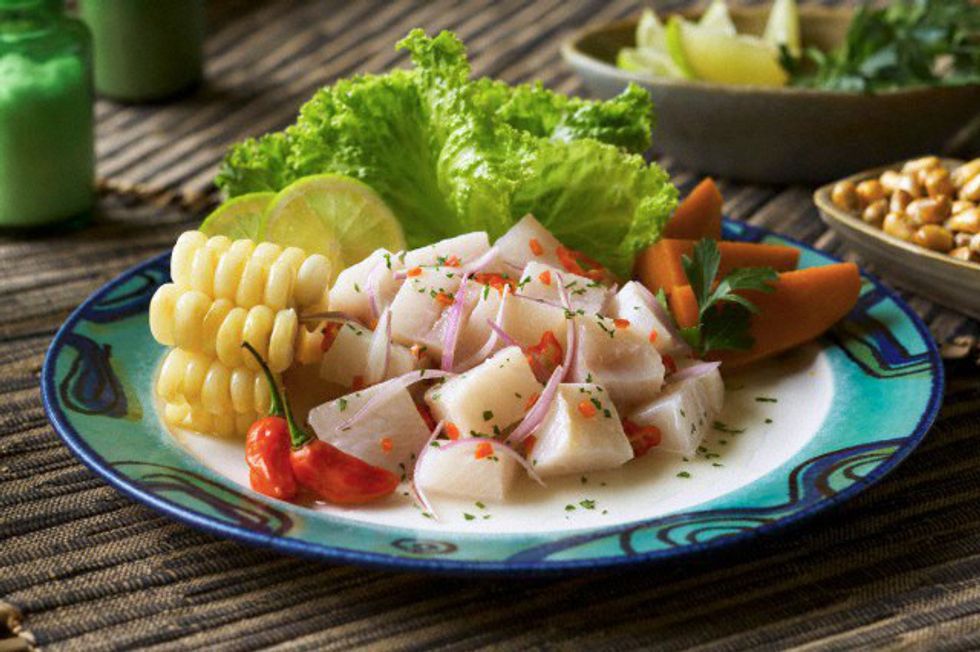
This is the dish many Peruvians are extremely proud of. Peru flaunts the fact that ceviche originated in their country and that everywhere else keeps trying to make their own variation but it does not come close to the original. What makes this ceviche, or "cebiche" like it's spelled in Peru, is that it is made with fresh fish, lime, Peruvian corn, sweet potato and Peruvian aji amarillo. If you had ceviche before you might be asking if it is served with rice or if it has a tomato base. Traditional ceviche does not use any other citrus to cook the fish and does not come with a side of rice. People can order this three ways: just fish; just seafood like squid calamari; or mixed fish with seafood. It also pairs well with "cancha" which is Peruvian toasted corn. Another way to think of this dish is a sushi-like dish with lime. I really wish there was a better way to explain the excellence that is Peruvian ceviche but you're just going to have to try it yourself to understand what I mean. Caution: Do not eat ceviche at night, restaurants won't even make it. Peruvians really strive to make their ceviche fresh as to respect the reputation of the cuisine.
2. Lomo Saltado
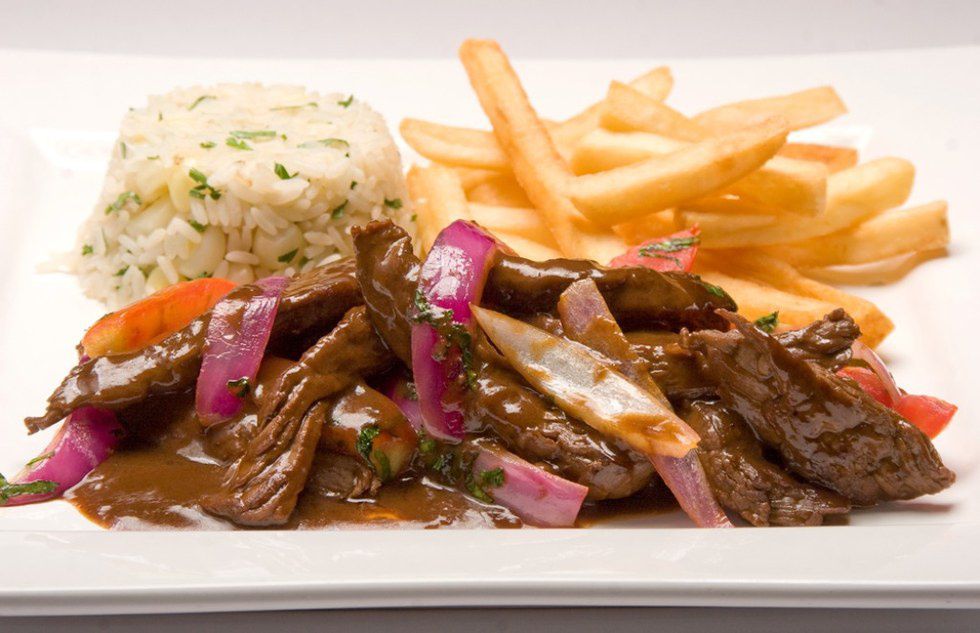
Ah, the Lomo Saltado. The dish I use to introduce my friends to Peruvian cuisine. This is a stir-fry dish that has Asian roots. During the time that Peru was abolishing slavery, there was a lot of Chinese immigrant workers going to Peru to work. This dish is prepared with sirloin, red onion, soy sauce, aji amarillo, tomatoes and other ingredients. It is served with a side of rice and french fries. If you do not eat red meat then there is sometimes an alternative to replace the red meat with chicken. I think this is a good starter dish for people exploring Peru and it is readily available for lunch or dinner not only in the Coast of Peru but in other areas. On some menus there might be an option for "Lomo Saltado Montado" that just means regular Lomo Saltado with a fried egg on top. People tell me all the time that Peruvians like putting fried eggs on top of their foods, I guess they are correct.
3. Papa A La Huancaina
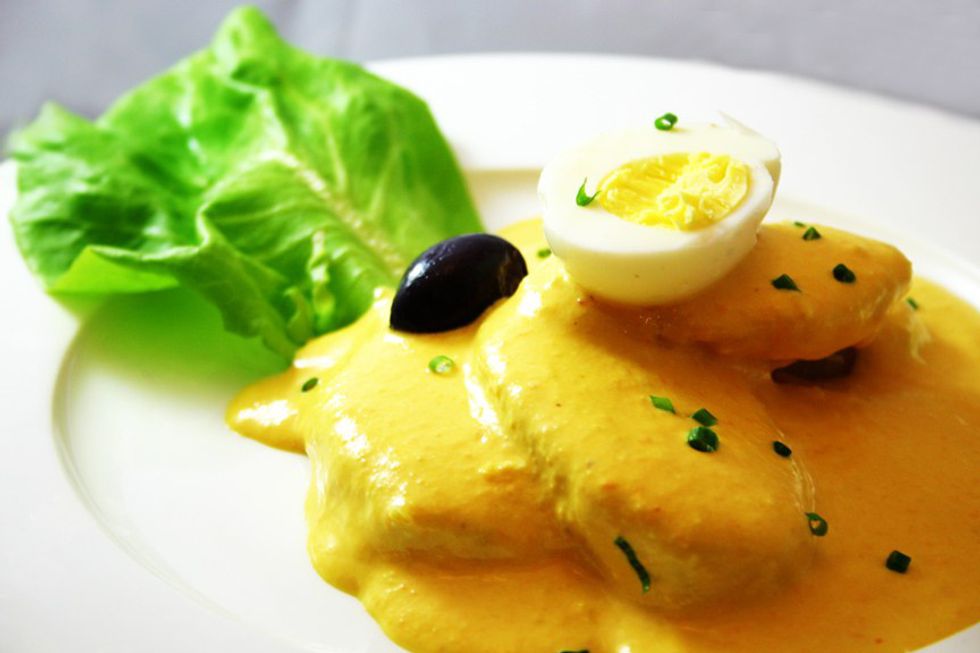
This is a favorite appetizer of most Peruvians. This plate originated in a town called Huancayo. This dish includes boiled potatoes (side note: Peru is famous for its numerous species of potatoes! Move over Ireland!) If I had to translate the name I would call it "Boiled Potatoes with a Cheese Sauce." There are various ways to make this dish, people have learned to make it with mainly cream cheese, queso fresco and feta. Sometimes the cheese sauce is a lighter yellow or darker yellow. This is nothing to be alarmed about -- it's just the dish has transformed a bit so the recipes may be different but it is essentially the same. This dish can be spicy since it uses the aji amarillo as its base for flavor and color. It is topped with a boiled egg (yes, another egg), a Peruvian olive, with a side of lettuce for decoration. If you cannot eat dairy then please stay away from this dish! It can also be made gluten free, but beware some people add crackers which can upset a stomach that cannot digest gluten. What tends to happens is that tourists really enjoy the huancaina sauce and they ask if it is available in the States so below I have provided two of my favorite go to brands for ready-to-go huancaina sauce. You can also make it yourself but honestly who has the time?
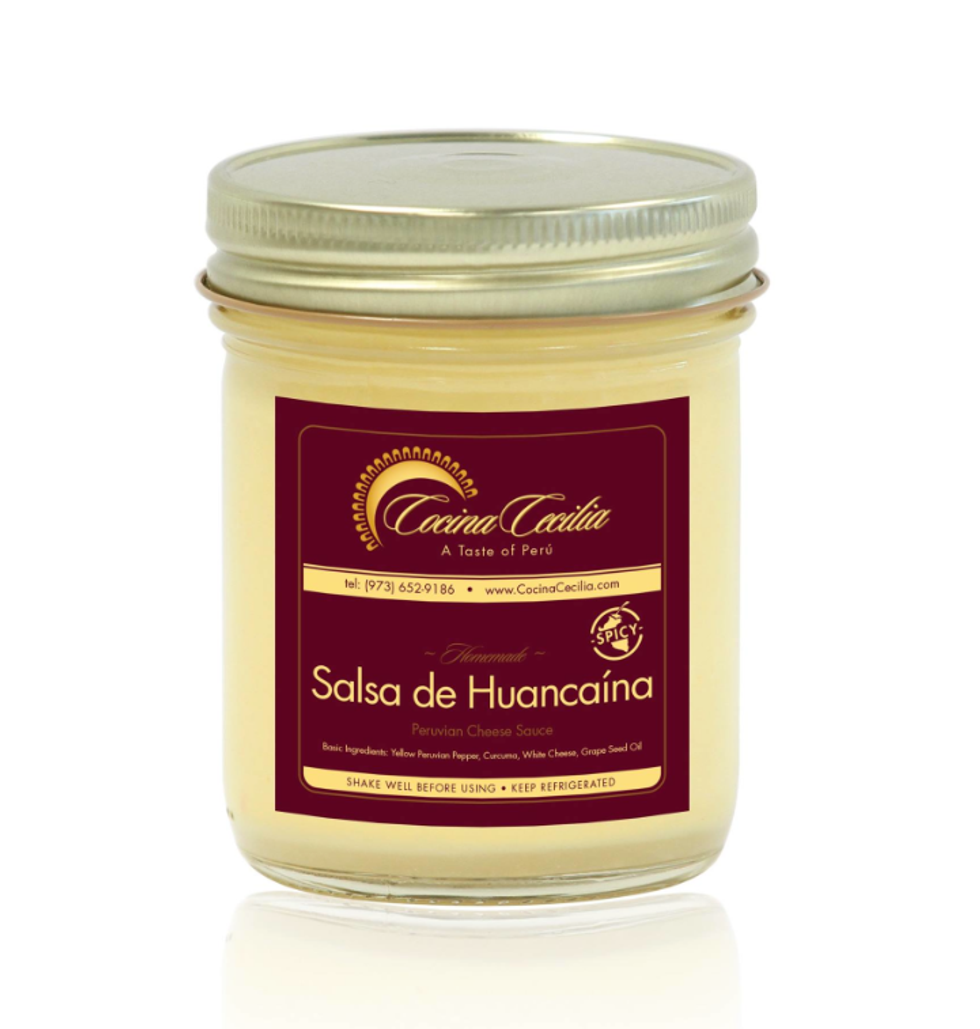
This company delivers all around the U.S, it is freshly made and more information can be found at www.cocinacecilia.com or by clicking the picture for its Facebook page.
Side note: Cocina Cecilia also has other Peruvian sauces that come in a variety of sizes, different containers and even cater if you're around their area [New Jersey, New York, Pennsylvania].
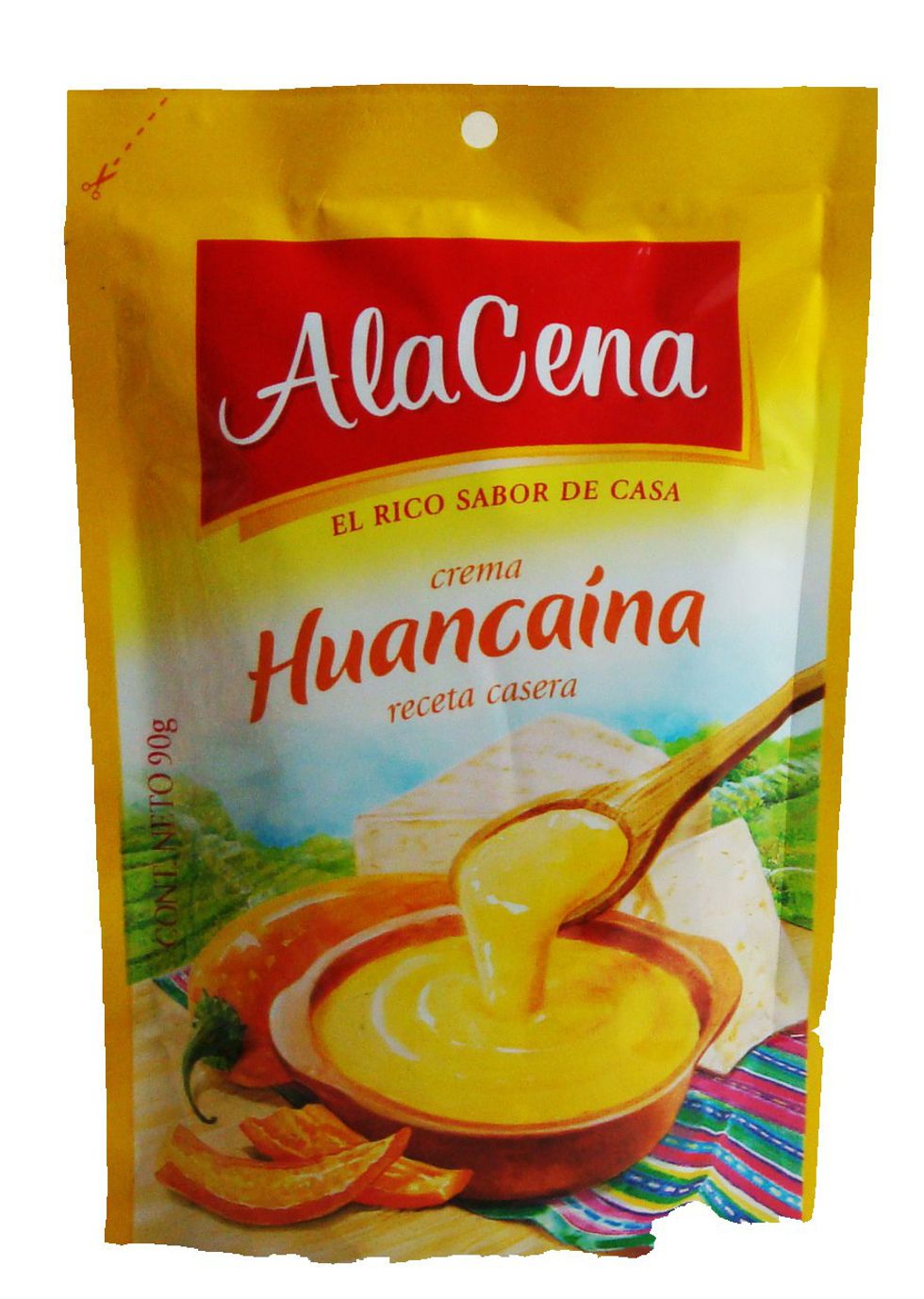
This item is available in international food markets and on Amazon [click the picture for the site]. What I like about this is that it comes in cool packaging and the company also sells Peruvian mayonnaise which, in my opinion, is better than Hellman's.
4. Pollo A La Brasa
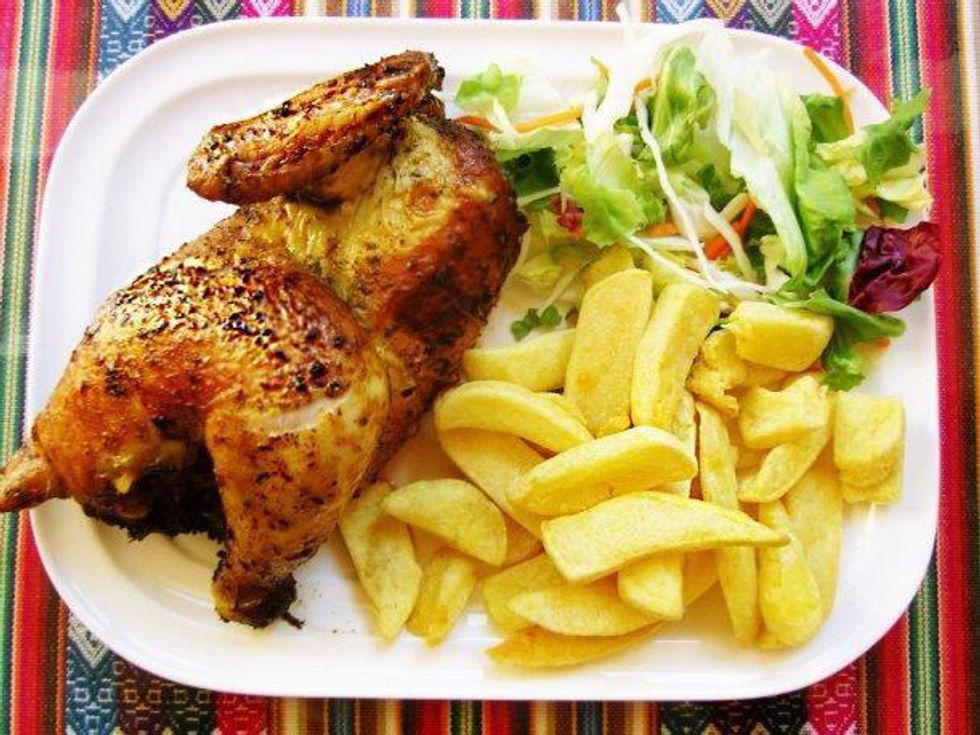
This is the king of all chickens. Something magical happens when you order a Pollo a la Brasa with a side of yellow Peruvian potato and house salad with homemade dressing. The chicken is juicy and the spices intermingle very well with the french fries and salad. Peru even has festivals for this dish. They call it a Pollada. The chicken is cooked in hot ashes which give it a different taste from any other rotisserie chicken I ever had. Apparently two Swiss-Peruvians invented and patented the machine that the chickens are made in. This dish also happens to be the most consumed in the country and there are various chains in Peru that cater specifically to this dish which shows just how sacred Pollo A La Brasa is for Peruvians. Don't be afraid to add some Aji Verde to the dish as it will enhance the flavor. If you are not fortunate enough to live by a Peruvian restaurant then you can attempt to make some of your own! I have provided the product I use to marinate chicken to get it the closest to the original.
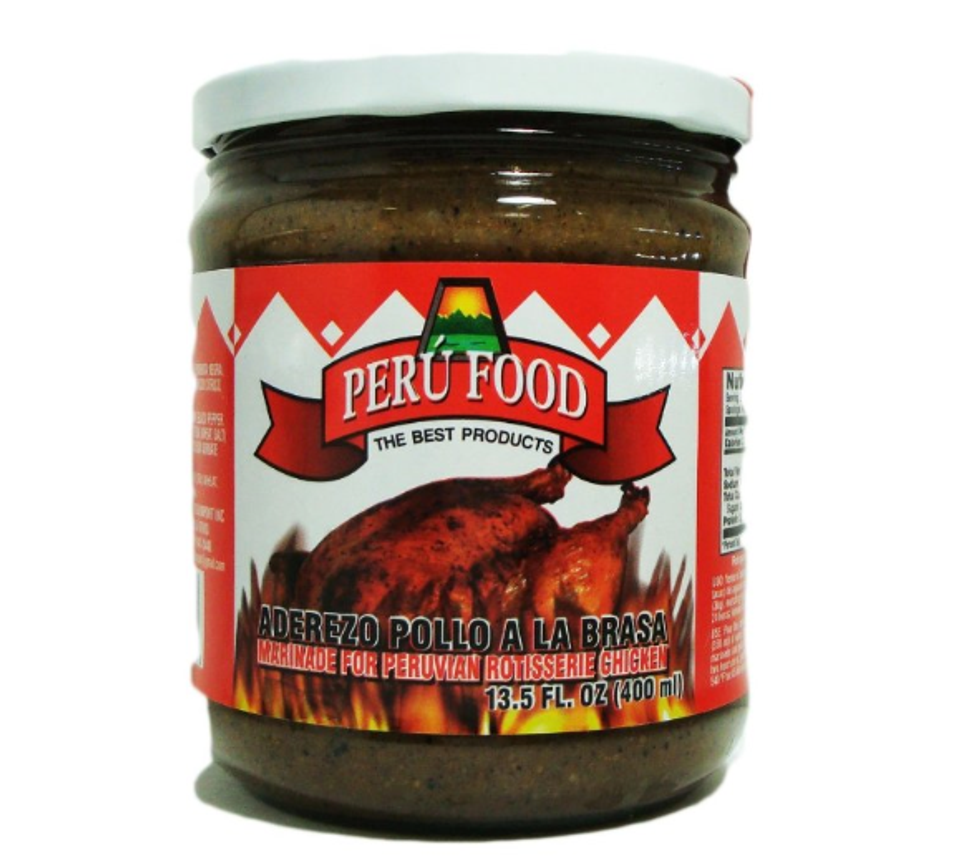
What is cool about this brand is that it is the most common brand and is available in a lot of places. Once again, it is also available on Amazon [click the picture for the site]. Feel free to explore what else they have to offer.
5. Virtually anything else
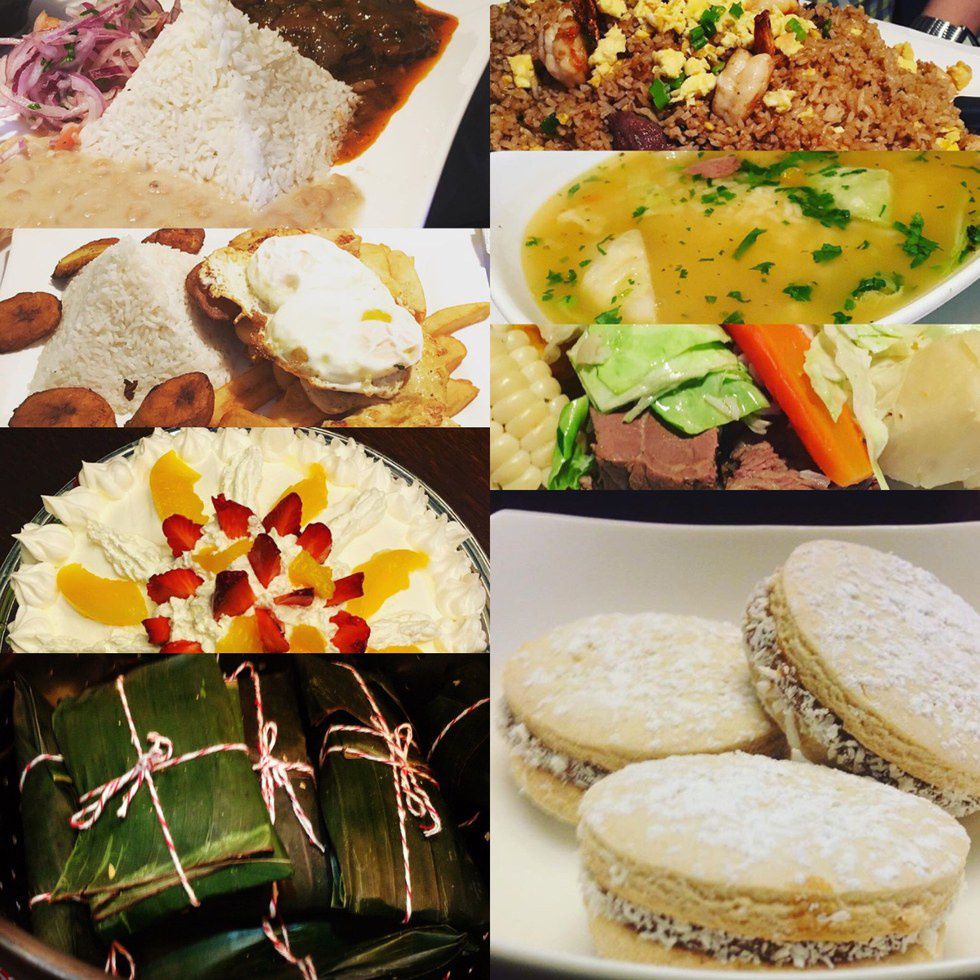
What I find amazing about Peru is the variety of foods that are available. Tourists can find themselves surrounded by many options and should not be afraid to try what there is. Go try the Chifa which is the Chinese restaurants in Peru that were brought in by the Cantonese and order the "Arroz Chaufa de Pato" (duck fried rice). Want to be different than your friends? Then try Cabrito (goat), Cau Cau (tripe), Carapulcra (dehydrated potatoes with pork and chicken brought in by African-Peruvians), or even Chanfainita (various organs).
Do you find yourself going to remote areas in Peru and wonder why people are cooking something in the ground? It's called Pachamanca and that originates from the indigenous people from Peru and it's amazing what hot stones can do to cook food.
Are you wondering where Quinoa came from? It came from Peru! In fact, if you love Quinoa then I suggest you buy some from the local market to make when you get back to the USA! If you have more of a sweet tooth then I suggest trying alfajores (Peruvian dulce de leche cookies). Are you going to Peru to compare their empanadas to those of other countries? Then go ahead try an oven-baked empanada.
What kind of drinks does Peru have? I recommend Inca Kola (national soda), Chichamorada (purple corn drink) and Pisco Sour (Better than a whiskey sour).
How about tamales? Peruvians make them in banana leaves which give them a distinct taste from other tamales of different countries. If you are next-level foodie then try the alpaca or llama meat. I personally would never because I find alpacas and llamas adorable but, hey, I can't judge!
Although beware of "Cuy." Cuy is guinea pig and if you're anything like me you don't exactly want to know what your pet tastes like, even if your grandmother lied to you and told you it was chicken. True story.