
Last night I went to the first F&M-sponsored Take Back the Night event. Throughout the week, I had observed the chalked up sidewalks on campus beckoning students to attend, but I had no idea what the event was about, and so I’d just shrug and keep walking. I was sure it was just another one of the college’s events that I would have too much work to go to, as always seems the case. Come Wednesday night, however, my roommates coerced me into tagging along with them.
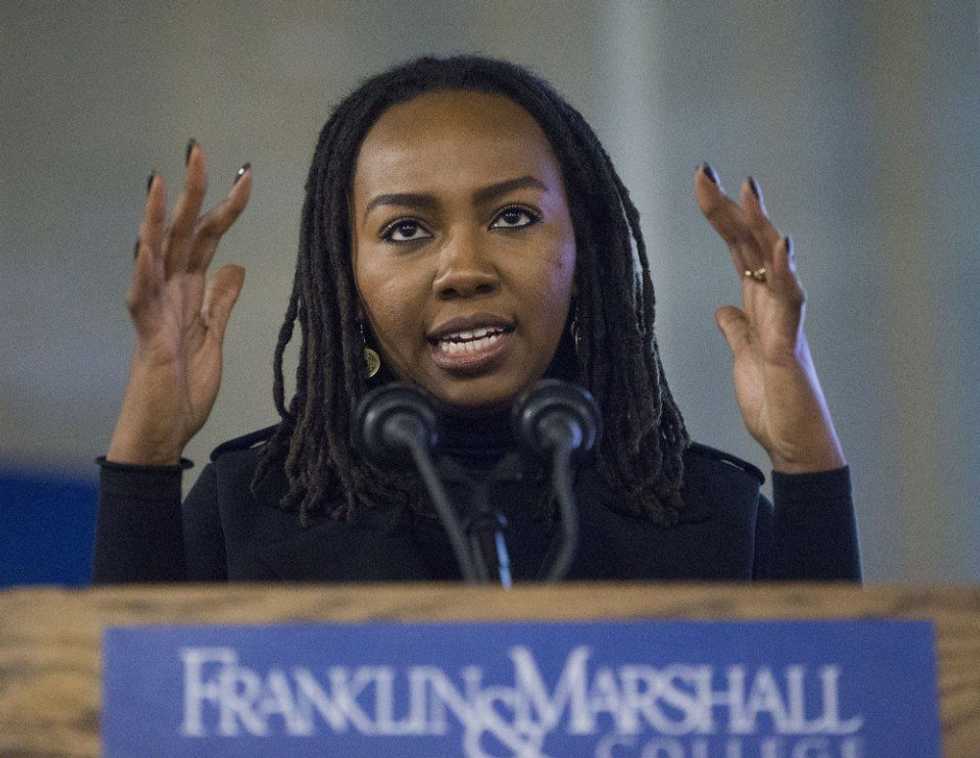
But my first question, when they asked me to come, I shamefully admit, was: how long is it? And my second: what exactly is "Take Back the Night"? I guess spending so much time in the library, secluded the rest of the world, can ironically breed ignorance, for I couldn’t have been more unaware, or more insensitive. Rescuing me from my plight, however, they explained to me that "Take Back the Night" is an event that F&M hosts every year to speak out about controversial topics, such as racism, domestic violence, homophobia, and discrimination of all sorts to raise awareness and unite the student body against them. This year, the college was hosting Opal Tometi, the co-founder of the Black Lives Matter movement, to give a speech about the persistence of racism against black Americans in the United States.
And so, come 7:00 p.m. last night, I packed up my backpack and headed into Mayser gymnasium, only to find myself in walking in, shoulder to shoulder with hundreds of other F&M students. Soon enough, the gym was packed, with students swarming in from every crevice like honey bees at the hive. I saw dozens of familiar faces, and thought, this looks like it’s going to be quite the event. And it was. As Opal walked up to the podium to give her speech, the whole audience grew quiet. Her voice lulled and crooned softly yet passionately as she brought us back to the killing of Michael Brown and Trayvon Martin, as she reminded us that George Zimmerman was convicted not guilty for the death of the latter, even though all evidence spoke otherwise. And as she told us that she wanted her little brother to know, that regardless of his status as a black american, his life matters. Her speech, however, reinforced my shallow understanding of my own ignorance, and this perhaps, was what struck me most about the event. For when Opal asked those of us who remembered what we were doing, when we heard about the death of Trayvon Martin, and subsequently learned that Zimmerman would not be held accountable, to raise our hands, mine remained rigidly in my lap. I didn’t remember, nor I confess, do I remember hearing much about the case other than the reiteration of the boy’s name in the heated words of surrounding conversations.
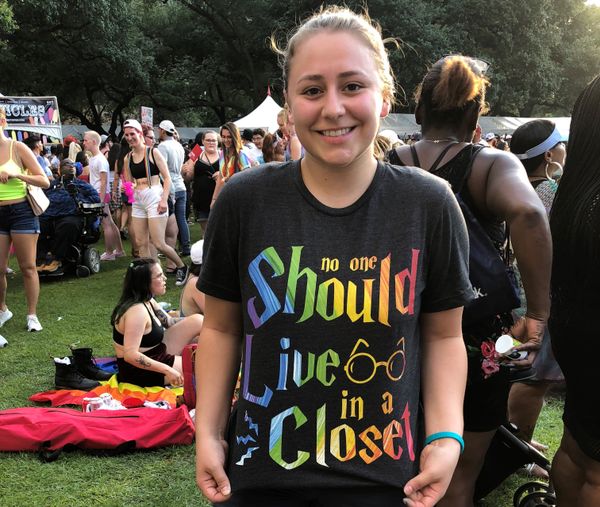
Following the speech, the students gathered outside the gymnasium to march through the campus, voicing in unity our resistance to social issues like racism, among others, through chants such as “old, young, black, white, all the people take back the night!” The blood hot and bubbly in our veins, we congregated in a large group where people were given the chance to speak about the discrimination and hardships that they had faced. At first, the group remained unsettlingly silent, stilled into speechlessness by the human fear of exposing one’s own vulnerabilities. But then a few voices began to break the silence, followed a few more. And soon enough, more and more voices began to populate the air, as people spoke out about being sexually assaulted, fearful of telling their own family members about their sexuality, and told that mental illness is something they can fix on their own. A rigid listener to their words, I felt captivated again by the realization of my incognizance. I had no idea that any of this was so prevalent, that so many people around me had experienced such trauma. And it made me think how I spend so much time consumed by all of my own issues, that I forget that other people, that everyone, have their own struggles, their own unimaginable challenges, to deal with.
I left the "speak out" with these considerations that seem to put things in perspective. And this is not to say I came to the conclusion that my problems are petty or any less real, but rather that we must reject our natural tendency to think that everyone else’s life is so easy, for each of us face our own evils.