
I was three and a half years old when I got on my first airplane. We went to my second cousin's wedding in California. The flight was pretty long for the attention span of someone so young. I remember toting around my Pocahontas suitcase and my teddy bear in the airport.
Since then I’ve flown Domestic, I’ve flown International, I’ve flown coast to coast and back again. I’ve been very fortunate to see a lot of places and meet a lot of people. But in order to have had these amazing experiences, I’ve spent a lot of time in airports and on airplanes.
The first time going through this process can be a little overwhelming so here is a comprehensive and thorough list from a frequent flyer.
BEFORE YOU GO
1. Where are you going?
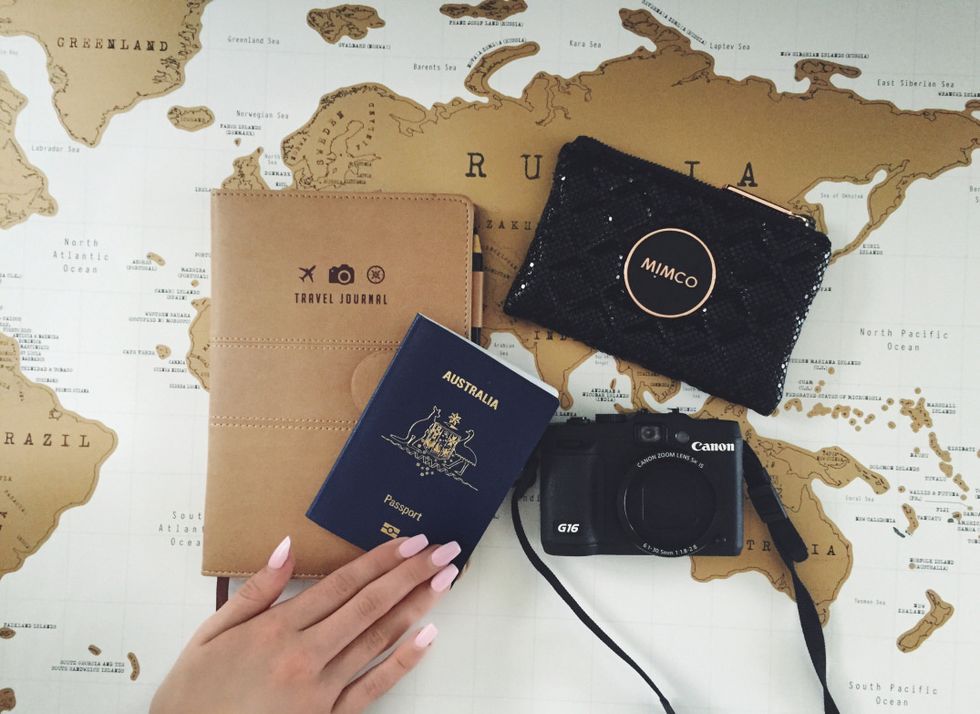
This may sound like a no brainer, but where are you going? Is this going to be a two-hour flight, or a twelve-hour flight? Do you have a layover? These things greatly effect #2 on this list.
2a. Packing like a pro
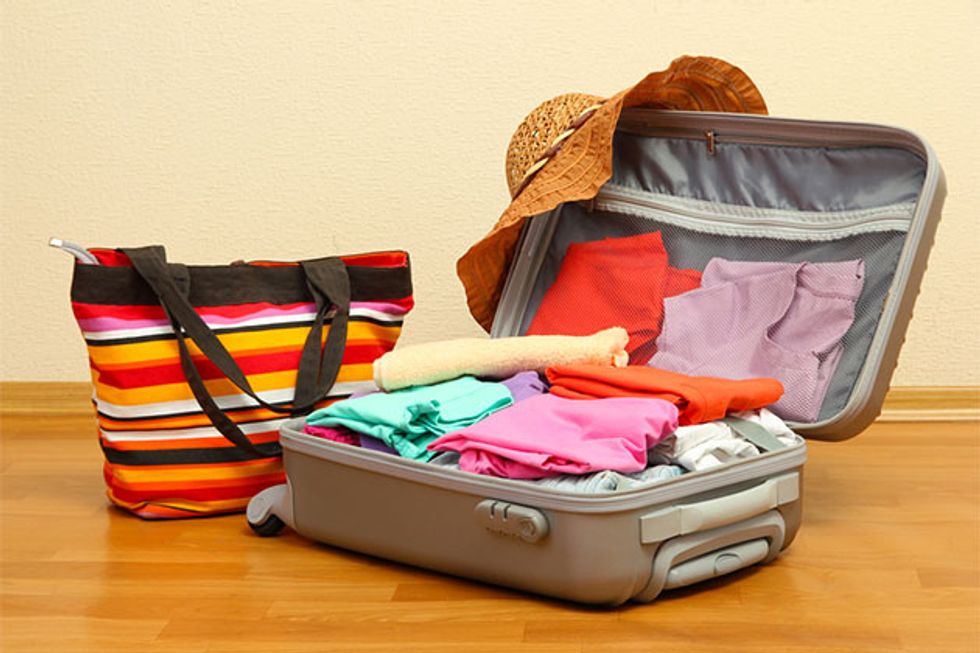
Packing itself has become an art form. I could write a book on how to best pack a bag for every situation. And tons of people already have! Helpful packing tips here, here, and here.
I check the weather where I’m going, as a start. Also, prepare to two bags; one for your clothes and another one to take on your plane.
Packing layers is always good idea, but packing for Argentina would be very different from packing for Vancover. I pack one outfit per day that I am staying, with two outfits in case something drastic happens, and if I have any space leftover it goes straight to extra pairs of underwear. Take it from me; underwear is the WORST thing to run out of.
Pack clothing that does not wrinkle easily. Doing something special? Consider investing in one of those garment bags that you can fold into a suitcase or plan in advance to use a family/friend’s iron. Also, shoes take up a lot of space so choose two pairs max (one for traveling, and one nicer pair).
2b. Your carry-on
As I mentioned above, you should pack two bags; one for clothes and one for the plane. For shorter trips, this clothing bag can just be your carry-on. One of the plus sides of not checking any luggage is that you don’t have to deal with baggage claim when you arrive. Also, your luggage won’t get lost (which is a thing that does happen sometimes). If only dealing with carry-ons, make sure you bag fits the size requirements of your airline.
BUT, whether you check your clothing bag or no, your second bag (or “personal item”) will be your best friend. This can be a large purse or a laptop bag, this can also be a larger backpack if you check your clothing back. Your second bag will be the one with the necessities. This is where you put your phone, your charger for your phone, a book, a sweater (and possibly a jacket depending on weather), and anything else you need while you’re in the airport. If I’m checking my clothing bag, I sometimes put a couple smaller toiletries and a change of shirt in my second bag.
2c. Liquids
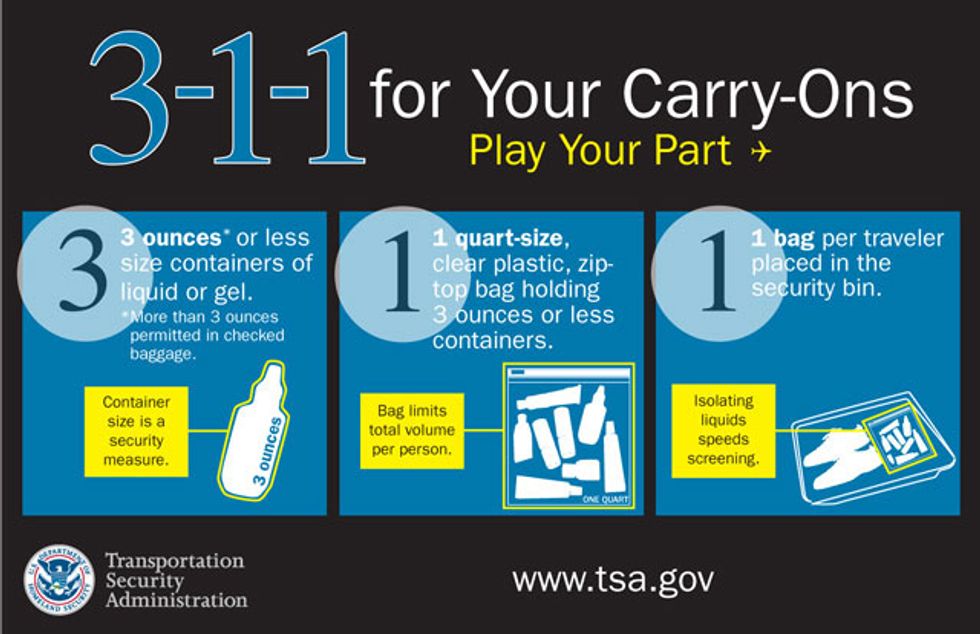
DON’T BRING EM. Minimize what you bring as much as possible. Drink a lot of water? Bring an empty bottle that you can fill once you get to the other side of security. As for toiletries, think about what you really need. Do you really need the five different hair goops you use every day? Maybe you can get away with a travel size of one of them. If you are checking your clothing bag, you can bring all the hair goops you want and then some, but in the bags that you carry on to the airplane, you can only have one quart size clear bag of liquids/gels/goops.
Also, if you have any daily prescriptions, make sure your name is on all your meds. I haven’t been stopped for my inhaler in years, but back in the day it used to always set off the bag scanners.
3. Getting to the airport
The day before your trip, look up where your airport is and how long it takes you to get there. Is your flight during peak traffic? Make sure to factor in travel time TO the airport, in addition to HOW you get to the airport. Public transport, a cab, or a friend/family member are always solid. If possible avoid having to leave your car at the airport. They do have lots you can pay for, but they are almost always exorbitantly expensive.
AT THE AIRPORT
4. Dress simply and comfy
Unless you need to go to a business meeting right after you land (which a lot of people do, that’s why I think people still fly while wearing suits) wear the comfiest outfit you own. You do not need to be the height of fashion. You will feel better if you dress for comfort, not style. You will not look like the height of fashion and that’s okay. Embrace it. Wear your favorite pajamas. Or those leggings that make you feel like everything is right with the world. If your hair is long, wear it up and out of the way. Try that new ‘do you saw on Pinterest. I almost always suggest something that covers your legs because even if your final destination is hot, airports and airplanes are always cold. Always.
When you go through security, they ask you to take off your shoes and remove any belts or jewelry/watches/accessories. I never wear jewelry when I fly, I never wear a belt, and I wear shoes that I can just slip off and on. Bring socks. Even if you’re wearing flip flops around the airport, you’ll want the socks for the plane. Embrace your comfy place and your airport experience will be ten times better.

5. Get there early
It is always better to be waiting around for your plane then to miss it by a few minutes. Never rely on people in security to let you cut in line because something made you late. If you’re flying internationally, I suggest getting there three hours early and two hours if you’re flying domestically. Also, if you’re flying at a time when a lot of people tend to be at airports (Monday mornings or Friday evenings) give yourself another 30-45 minutes cushion.
6. Check in and security
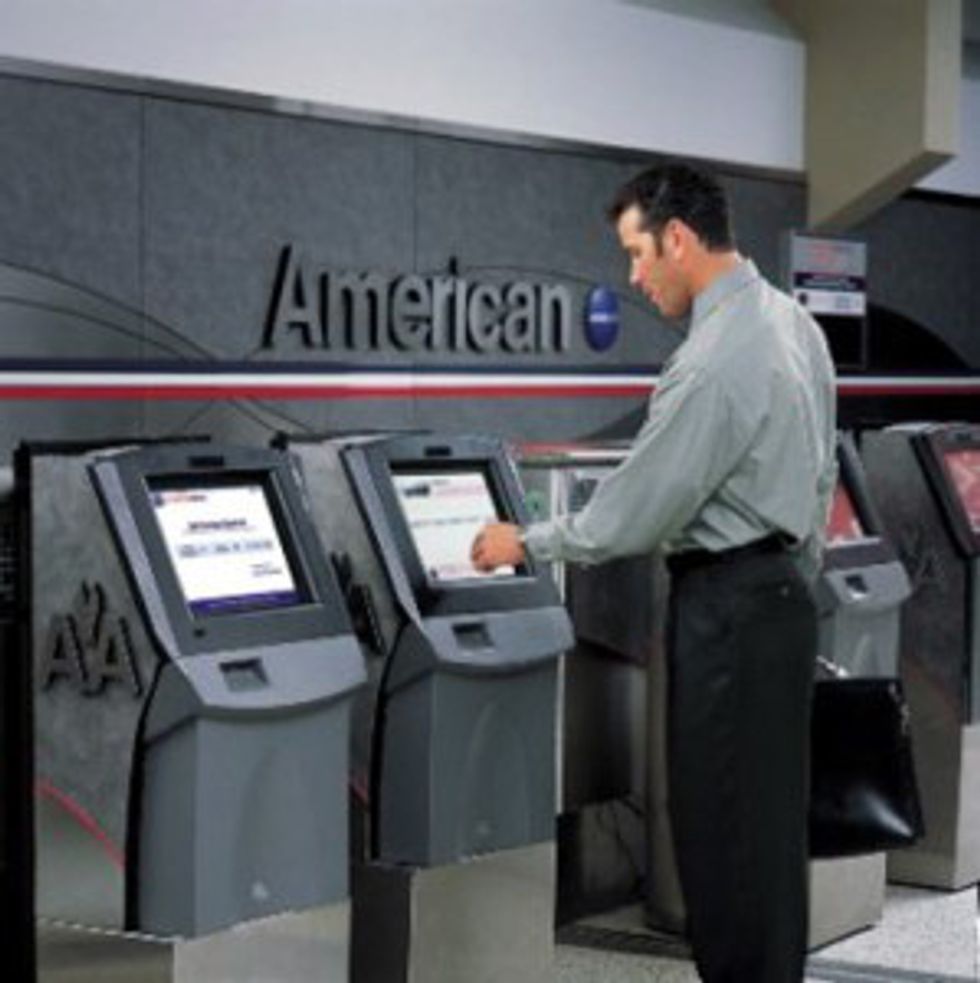
If possible, check in to your flight online and have your boarding pass printed out already. Most major airlines also have an app so you can have your boarding pass on your smartphone. Many airlines allow you to check in at the airport, but some (*Ryanair cough cough*) tack on extra fees. Plus if you check in online early, you avoid waiting in a check-in line.
Check a bag if you need to – and make sure it meets the weight requirements for your airline (these requirements vary). These requirements are even more strict for international flights.
Then you’ll go through security. Your liquids will be out in a separate clear bag, you’ll take your shoes off, etc. If you choose to bring your laptop (which I generally do not recommend) place it in it’s own bin to go through the scanner. Have your boarding pass and a photo ID ready for the first TSA agent but after they check off your boarding pass, you won’t need it.
7. The Flight
After going through security and hanging out at your gate, you will get on the plane. You think all the hard stuff is over? No. This is only the beginning. Airplanes are gross. The air is recycled through a filter system and this does stuff to your skin, man. It makes mine extra oily so I will actually wash my face while on the plane. Have dry skin? You might want to moisturize.
The change in air pressure really affects your ears. Chewing gum is usually your best bet to help that.
Going on a flight to another time zone? Figure out what time you’re supposed to land in the new time zone. Flights to Europe usually take off from the US around 5-7pm and then land at 5-7am local time. If you can, sleep on those flights. It makes jet lag less bad.
Hydrate. Hydrate. Hydrate. Planes are gross and it’s easy to catch a cold from someone else’s air. Drink lots of water and vitamin C.
Once your plane lands at your destination, you’ll be free to enjoy whatever place you have been taken to. And hopefully your airport experience was less stressful.