
As a requirement at Rice for all incoming students, I signed up for some random FWIS. Did not care what division it was, did not care what it was about, just needed a FWIS. Only two were open as I had failed to be vigilant in my pursuit of finding a proper FWIS. One was about architecture and suburbia and the other was about the bayous of Houston. Although I had grown up in suburbia, bayous were something I had always associated with Houston. From driving through Houston, to just passing them all the time, to even once jumping off a bridge to swim through them, bayous were a fun part of being in Houston. We were called the "Bayou City," and the very city we call Houston was founded by the Allen brothers in the middle of what is now Downtown Houston at Allen’s landing on Buffalo Bayou.
Flooding in Houston has been a fear since childhood. When I was six years old, Houston had one of its worst storms to date. Though categorized as a tropical storm, Allison was much more than that. Over a two week period, Houston had record rainfall and flooding and roadways were unnavigable for days. President Bush at the time even called a state of emergency to get proper aid to the people who needed it the most. In the aftermath, authorities in Houston realized that the way that they were conducting business in the context of floods was shortsighted and unsustainable. This led to the creation the Harris County Flood Control District (HCFCD). One of the major priorities of the HCFCD was to ensure that high priority areas such as the Texas Medical Center and Downtown Houston had proper infrastructure in place to help control levels of flooding.
After Allison, although there were a few flooding events every now and then, there was nothing too significant. But just as we all let our guard down a little, Houston decided to remind us just how devastating these flooding events can be. Mid-May last year, the southeast part of Houston faced record rainfall and flooding. Unfortunately, this included the area I lived in. The rain had started at about 10 p.m., but I thought it was just another average day of rain in the city of Houston. I did not move my car to higher ground, I did not take additional steps to ensure that my car would be safe during the rain. At about 2 a.m., I woke up in the middle of my sleep because the rain was so loud, and I just had bad vibes about the whole thing. As I peeked out of the window, I could not believe my eyes. The water was well over the curb level, probably about 10 inches up, submerging my tires completely and almost halfway up my doors. I knew I had made a mistake and my car was going to pay the price. And it sure did. All the padding had to be replaced and one seat had to be replaced, but thankfully, the transmission was still intact. From that day on, I learned that whenever it rained, I had to make sure my car was on a higher level.
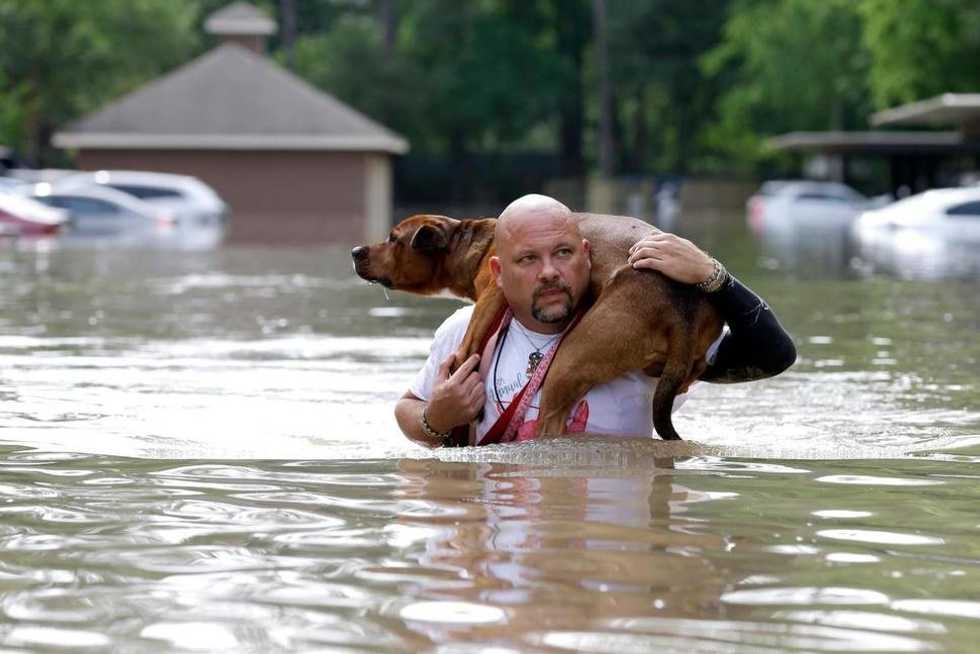
Since then, Houston has had four days of intense rain and flooding, and coupled with these events have been tragedies where individuals have lost friends and family members in the high waters. Some of the things I have learned after being a victim of the floods is that you can never be too sure about how high water levels are. Especially if you drive a Honda Civic like I do, always err on the side of caution and check forecasts well in advance. Those annoying amber alerts on your phone are sent for a reason. Pay attention to these warnings and make sure you respond to the alerts quickly. If you are ever in high waters and you cannot get out of the car, remove your headrest of your seat and use it as a window breaker. In these events, time is crucial. Acting 30 seconds earlier may be the difference between life and death.
Do not jeopardize your life and the lives of others. Floods are serious. Be careful.