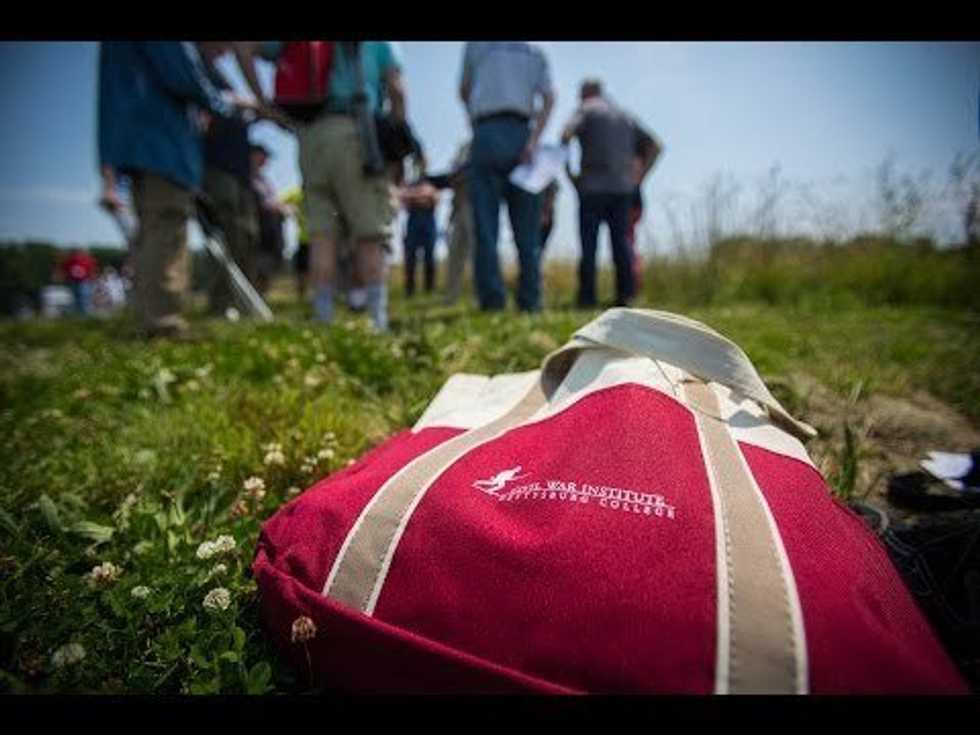
History tends to be something thought of as an older person's pursuit, but there's a lot in it for young people. One month ago, I attended the Gettysburg Civil War Institute at Gettysburg College with 11 friends. This might sound boring, but it was more of an adventure than you'd expect.
I traveled between several states over five days, sat in multiple halls taking notes on lectures and garnered a few tips along the way. Here are a few of them.
1. It’s best to bring a notebook.
I live for history. I’m a history major, an officer of my school’s history club, and in my spare time, I read from my collection of books about various figures in history. Over time, I’ve come to a realization about history. It’s important, and it’s up to everyone to preserve it as time passes.
That said, some of it is incredibly boring.

Although the aliens are pretty cool.
I’m sure this doesn’t come as a surprise to anyone who’s sat through a 90-minute lecture on the intricacies of acquiring bread in a backwater town at war or, for those less involved in history, watched C-SPAN for all of about 15 minutes. History isn’t just about the exciting things. When you’re at a history conference, some people will want to talk about Pickett’s Charge, but some will want to talk about the personal habits of Confederate General Jubal Early. Some might even write a book about it.
For that matter, I might even buy said book.
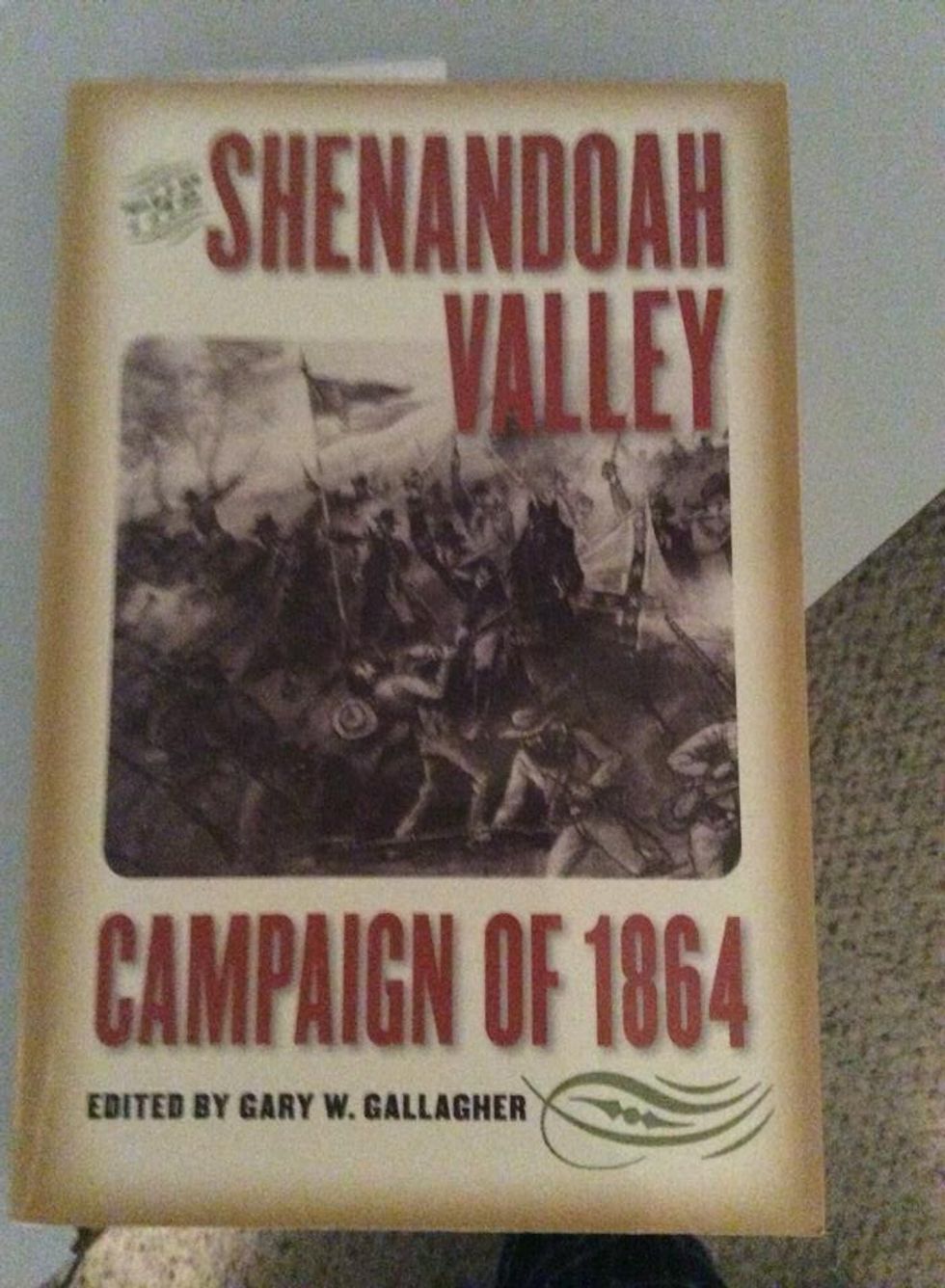
Maybe I did buy said book.
That’s why you’re going to want to bring a notebook. Before you stop reading my article right here, hear me out. What else are you planning on doing during that lecture on Abraham Lincoln’s conversation with the media? Taking notes is a great way to get through some of the more boring material and also a way to keep a record of what everyone is saying. If you ever end up taking a course on the topic of the discussion, that notebook might even have some inside information which will get your C paper to an A next spring.
Speaking of inside information, if you’re going on tours, a notebook is all the more useful. Try drawing up maps of the places where you are going so you can return to them later. The interesting pebble you saw in the brush as you walked past could be an artifact, but how are you going to find it again if you can’t note down where it is? The notebook is a must-have item for any historian, especially when you consider that ...
2. You will hear stories you won’t hear in any class.
Think back to middle school when your tired history teacher briefly mentioned that thing called the Civil War. What did you learn about it? This isn’t a pop quiz, so grab an old textbook and look up what I’m asking. You know about slavery, right? And Abraham Lincoln? And the Emancipation Proclamation?
What about the 126th New York?
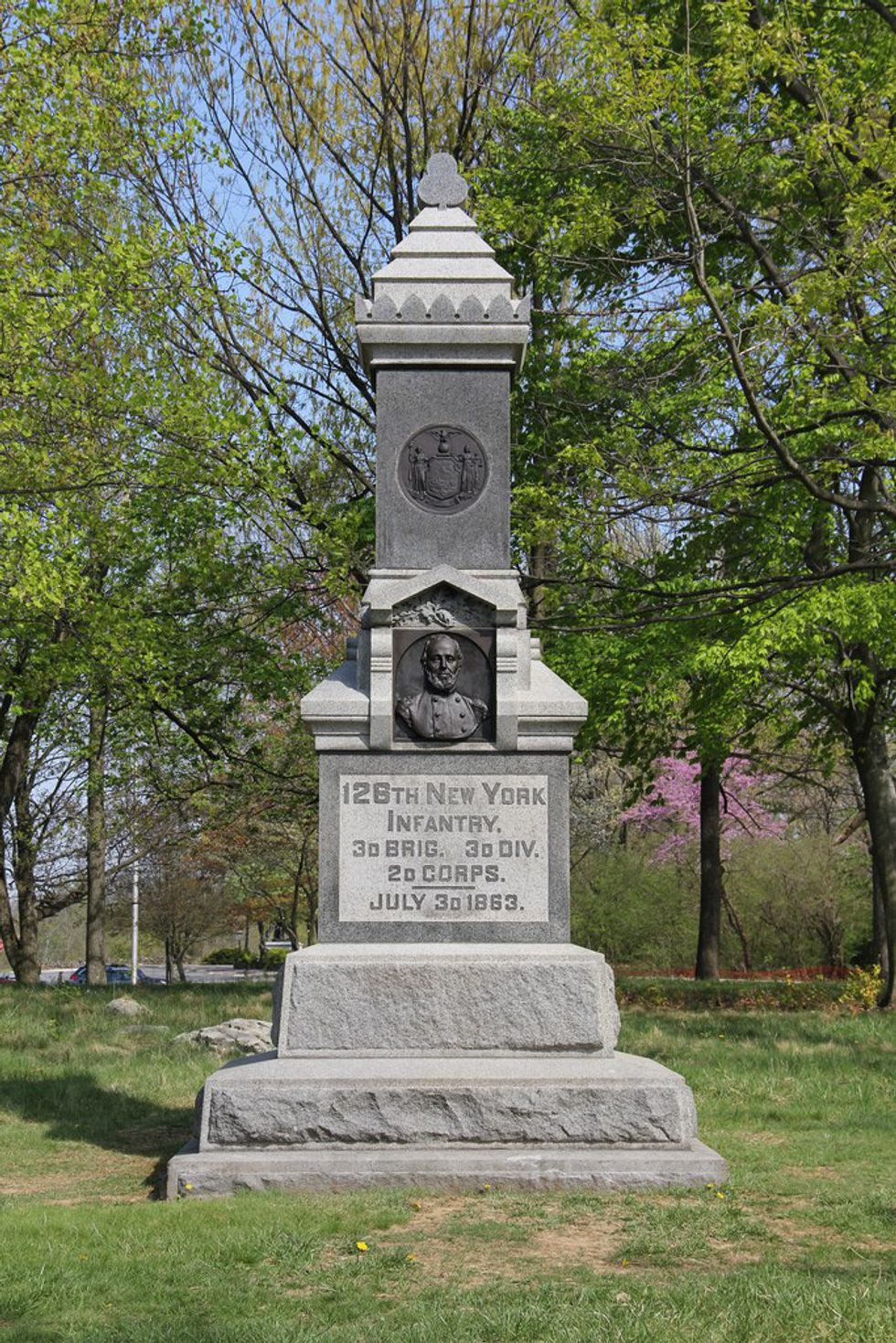
They built an obelisk.
You probably have no idea who "they" are. That’s OK. Most other people don't. The people who run these conferences might not even know all that much about the 126th New York. Here’s their story:
Due to the wounding of their senior officer, the 126th New York fell apart during the Battle of Harper’s Ferry and eventually lost to the Confederates attacking their position. They didn’t see action again until the Battle of Gettysburg, in which more American soldiers died in three days than in the entire American Revolution. It was in that battle that they actually moved directly into the heat of combat, many giving their lives to break the title of “coward of Harper’s Ferry.” These men were shamed for their failure to the point that they would gladly trade their lives rather than endure more inflicted shame.
No history textbook is going to tell you that, but a tour guide who devotes months of research to the topic will. Historians at a conference might specialize in a particular city or even in the study of one person. One year in Gettysburg, I walked with a man in the footsteps that his union forefather tread upon as he was gunned down in a blaze of friendly fire. That sort of experience isn’t something you can get out of a textbook. As one guide once told me, “You’re not doing history right, if you aren’t out in the mud of it.” Part of studying history is walking in the literal footsteps of those who came before you. And that’s part of the reason why ...
3. You will see the local area in an entirely different light.
When you visit a major historical site like Gettysburg, the surrounding area will be often populated by dozens, if not hundreds, of people looking to capitalize on history. In the process, they will often streamline that history or just blatantly ignore it. The problem with this is that historians are all about accuracy, or at least avoiding blatant lying about the past. We can’t let that go.
Take a random person traveling through Gettysburg, especially at night, and the first thing they see will probably be either a sign advertising ghost tours or an actual man or woman in period dress leading the tours. Everywhere you’ll be surrounded by signs warning of the impending spooks and ghouls lurking around every corner. A college student died here, and a doctor was hit by a car there. An inexperienced visitor might even think the location was just famous for all of the ghosts flying around like in that song from "The Nightmare Before Christmas."
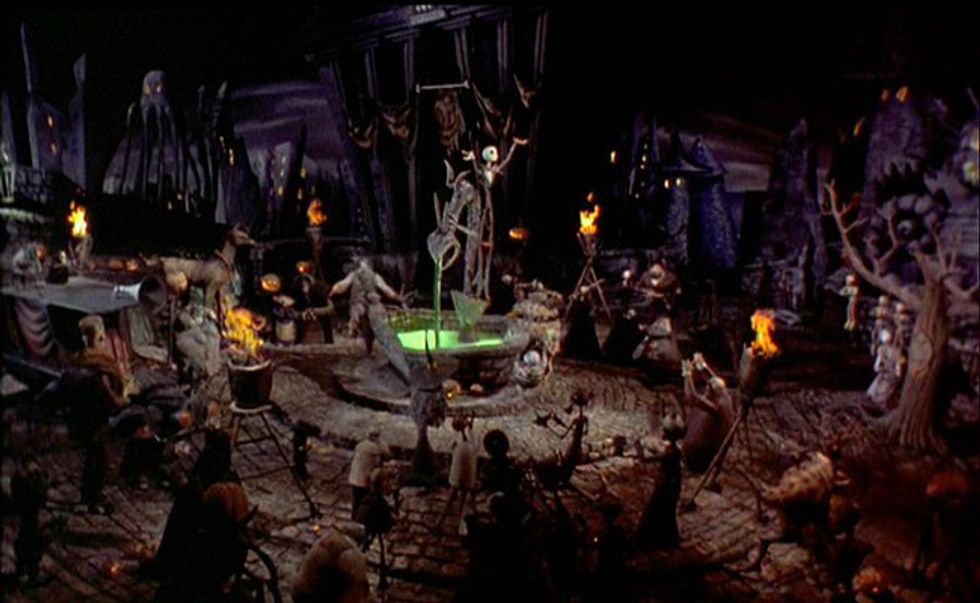
"This is Gettysburg, Gettysburg, Gettysburg ..."
That’s exactly why historians are bothered by them.

In that example, Gettysburg was made famous by 50,000 men who died for their respective flags, be it a blue X or a blue box. Historians have the duty to carry on their legacy. The reason why we’ll tend to ignore or even despise things like ghost tours is that they distract from the stories that are rapidly disappearing and, unlike ghosts, actually did make the area famous. In the words of one friend who visited Cemetery Hill with me, sometimes a real, monumental story will be ignored by a smaller one that’s stretched and easier to sell. Fifty-thousand ghosts who died in battle, after all, each hold their own story, so it’s pointless to ignore them when their tales and tragedies are all too real. Maybe if they’re ignored, they’ll come back as zombies, and we’ll have to slay them like Abraham Lincoln did in the time he spent not fighting vampires.
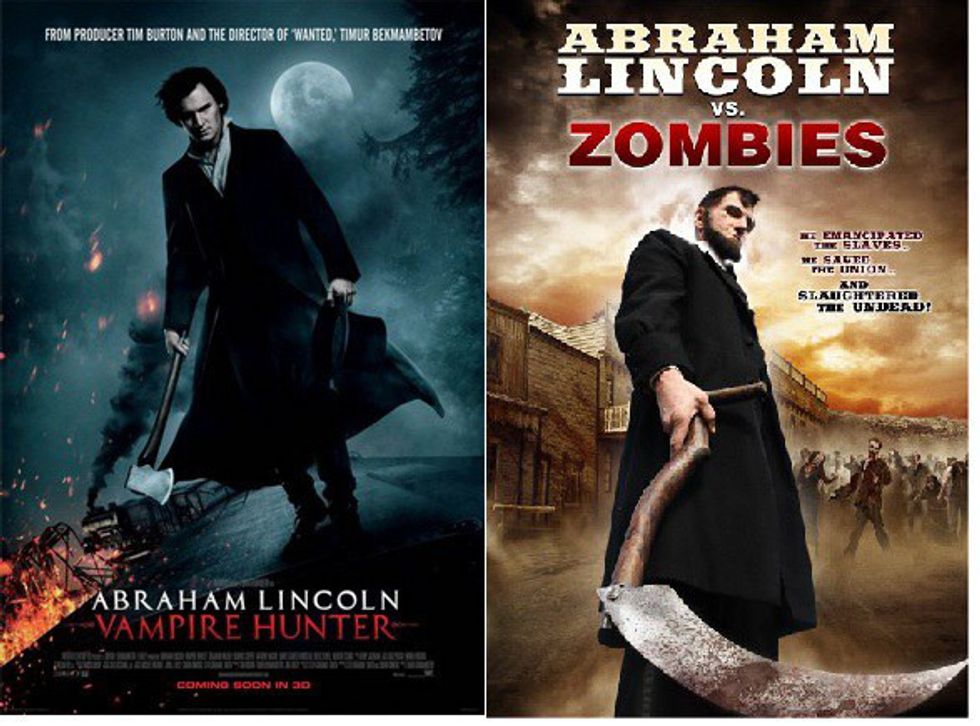
Why do these exist?
4. Your opinion as a young historian will be valued.
If you’re a college student, or even still in high school, like I was during my first conference, you might have a deep fear that people will scoff at a kid at a history conference, especially when the average attendee is probably older than your parents are. This isn’t irrational; some people will see you as just a kid. Just as many, though, will disagree.
At the end of one panel, a professor came to the microphone and lamented what he saw as a clear trend — young people were turning away from history, losing interest, throwing it aside for video games and movies, not to mention those ghost tours. Fortunately, at that moment, I was next in line to ask a question at the microphone. I wasn’t sure if I would be heard after the speech, nor did my two friends standing behind me in line. I bent forward, and opened by simply saying that I was 18 years old, and I wanted to ask a question.
Much to my surprise, the room started applauding. The panelists smiled, as did the professor who gave the previous lamentation. I think a few people even whistled. They were proud, even amazed, that I had enough interest to make an inquiry into a historical panel.

I was just happy this man wasn't on said panel.
I strongly encourage anyone out there under the age of 30 to attend a history conference. There is a strong sense in the historical community that youth aren’t interested in the subject, so when we come around, there is tremendous interest in both educating us and learning from our feedback. The writers thrive on what we have to say because in the back of a historian’s mind is the idea that they will someday be living in the subject that they study, and they want to see who will carry the torch.
Just this summer, I was moving to have dinner with my friends when I was interrupted by the keynote speaker of that morning’s panel. That speaker offered to sign my book, which he wrote, but then invited me to sit with three other prominent researchers in his field. Their questions for me were shocking. What did I think of the talk? How did I get involved in history? Did I bring friends to the conference? What was I doing to learn more about their field?
If you’re a young person with an interest in history, the time to get involved is now. Almost everybody will want to hear your voice. Maybe that’s because ...
5. History survives because of you.
Attending a history conference or even just walking a battlefield with an experienced guide will reveal to you a ridiculous amount of information that it’s your responsibility to carry on. Remember the 126th New York? You all know their story now if you got this far through my boring article. How do I know it? An interesting tour guide who I saved from a tick bite told me their story while I stood ankle-deep in the mud and tall grass where they fought to prove their bravery.
The man gunned down by friendly fire? I know his story, and I could point out his final moments to you if you took me to the battlefield, but I don’t remember his name. That bothers me. Most people on the tour probably don’t remember his name. One reason why I bring a notebook with me on these conferences is that I want to remember, or at least record, everything that I hear because nobody knows when the last person who knows someone’s greatest feat won’t be there to testify for them any longer.
One guide who accompanied me to this summer’s conference stopped us at the foot of a mountain. There were 11 friends accompanying me, and it was the guide’s last year attending. He asked us a question “Why are we here?” He had told us countless times, yet most of us couldn’t remember why we'd come there. We knew it was a shrine where a grotto was built to a saint. Half of us, however, couldn’t remember that saint. A quarter couldn’t even say what the shrine had to do with the Civil War.
At that point, one friend to my left spoke up. “It’s the National Shrine Grotto of Our Lady of Lourdes, but soldiers were cared for here after Gettysburg. There were flag signaling stations on the mountains ...”
The rest of us each recalled memories of past excursions, contributing our own details to the story as we spoke with each other on our hike up the mountain. If any one of us was not there, the resulting story would have been less accurate than the one we made. That’s the inspiration a young person can get at a history conference and perhaps the best thing you can learn while there. Someday, someone will learn from you about a man's life who would be otherwise forgotten, and they might pass it on to the future. Who knows? They might even pass on your story and pay it forward.

Or they might just do this.