

Planet TrES-2b (The Darkest Planet)
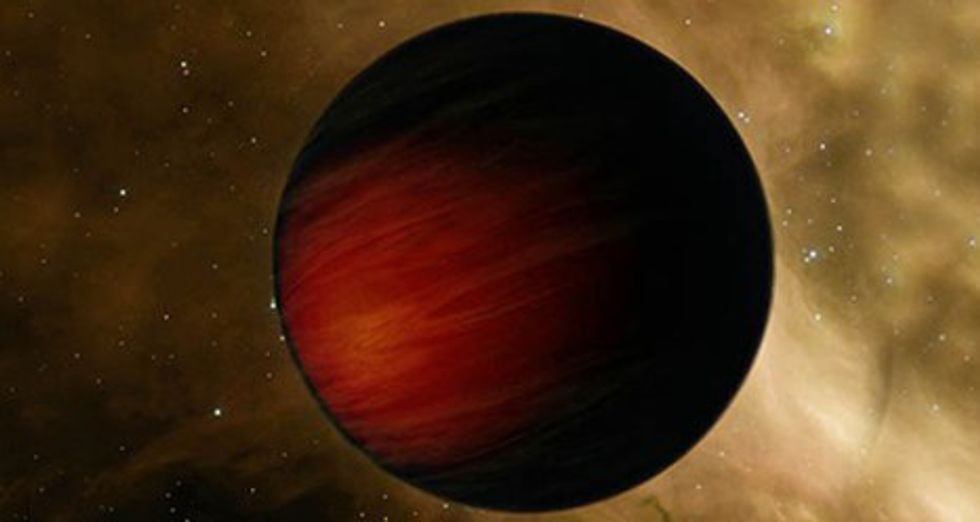
This planet isn’t just dark- it’s the darkest. And yet… it glows.
Reflecting less than one per cent of the light that hits it, Planet TrES-2b is estimated to be the size of Jupiter. It is located extremely close to its own sun, making its darkness even more interesting. The glow could be explained with this close proximity to the sun: the star is so hot that, despite its atmosphere of light-absorbing chemicals, it manages to put off a glow.
V391 Pegasi b (The Hard Core Planet)
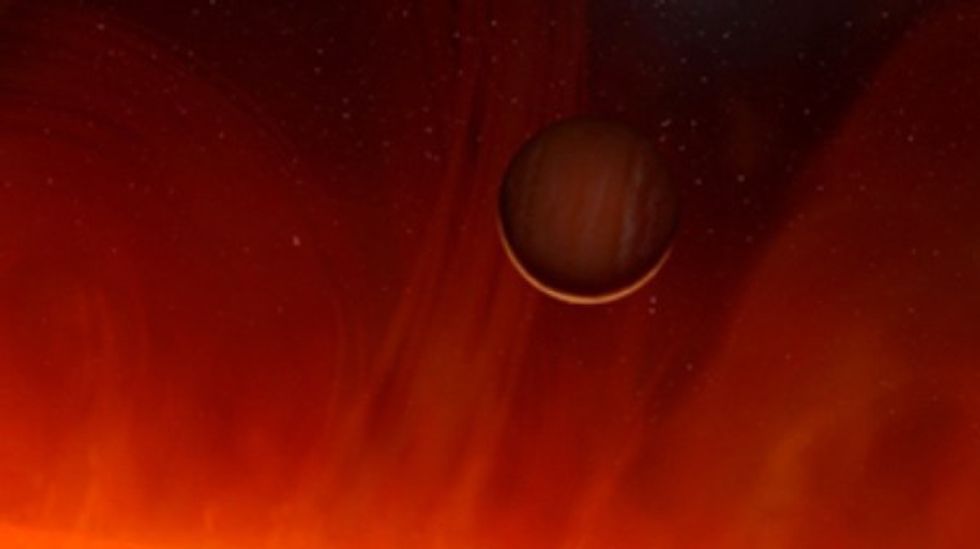
Perhaps the most metal of all planets. Here we have a planet that has gone through the red giant phase of its own sun- and survived. This planet then, likely, touched the surface of its sun- and somehow managed to beat the heat and live on. This is the first planet that scientists have found that has managed to do this.
This planet is also a little Hope-Bringer: astronomers and astrophysicists now think that a few of the planets in our solar system may survive after our sun decides to swallow us.
WASP-12b ( The ‘Pegasi’s Somewhat-Less-Cool But Definitely Hotter Cousin’ Planet)
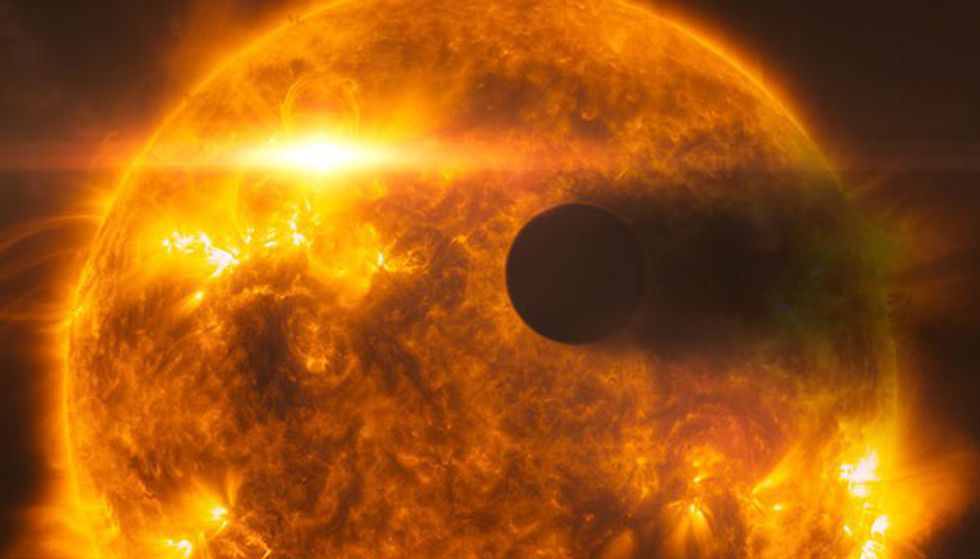
The hottest exoplanet to date, this planet is so close to its sun that it has not only reached a temperature of nearly four thousand degrees Fahrenheit, but that its sun is consuming it. This planet is being pulled into its sun with both heat and gravity- in a way, being eaten alive.
Any star that holds record-setting temperatures at the expense of her own existence deserves a spot on this list.
COROT-7b (The Lava Planet)
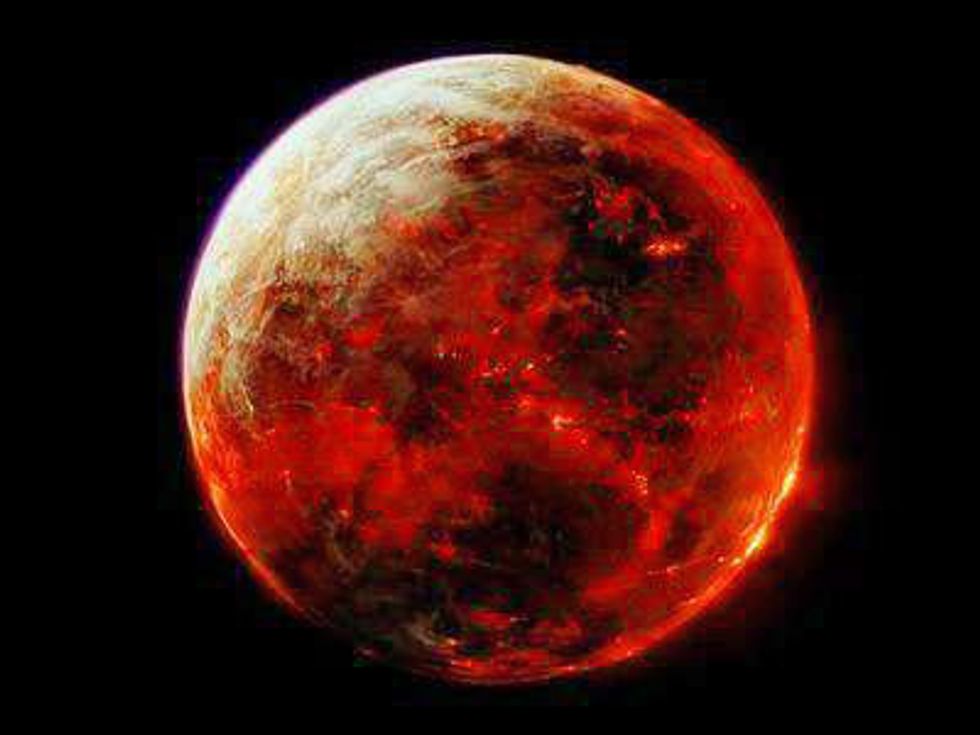
COROT-7b is a planet extremely similar to Earth in size and density. But where we have oceans, COROT-7b has molten lava and metal. Despite the extreme heat that is present for this type of landscape, this planet has traces of water in its atmosphere. Like many of the planets on this list, it, too, is located very close to its own sun.
Upsilon Andromedae B (The Robert Frost Planet)
This planet is actually located in the Andromeda constellation- but what makes it so neat is that this planet does not rotate, (though it does revolve). One side of this planet (the side facing its sun) is about two thousand and five hundred degrees Fahrenheit, (against all odds, though, this is not the hottest part of the planet- that title goes to a space off to the side of Upsilon,). The side facing the dark abyss of space is a whopping negative one hundred and fifty degrees Fahrenheit and is home to clouds made of ice.

















