

April 23rd is the 400th anniversary of William Shakespeare’s death. His plays and sonnets have been read for generations and are still widely popular. Renditions of his plays are done over and over again. My school just did 60s/70s rock interpretation of As You Like It. I saw Hamlet with Benedict Cumberbatch last October, and even that take on the beloved tragedy was different, set in a more modern, wartime setting. However, most of the Shakespeare plays we know are the ones that are performed over and over and over again. There are actually quite a few that no one knows much about unless you have studied Shakespeare or are just a huge fan. I am going to list a few and their synopses. You should totally check them out!
1. Measure for Measure
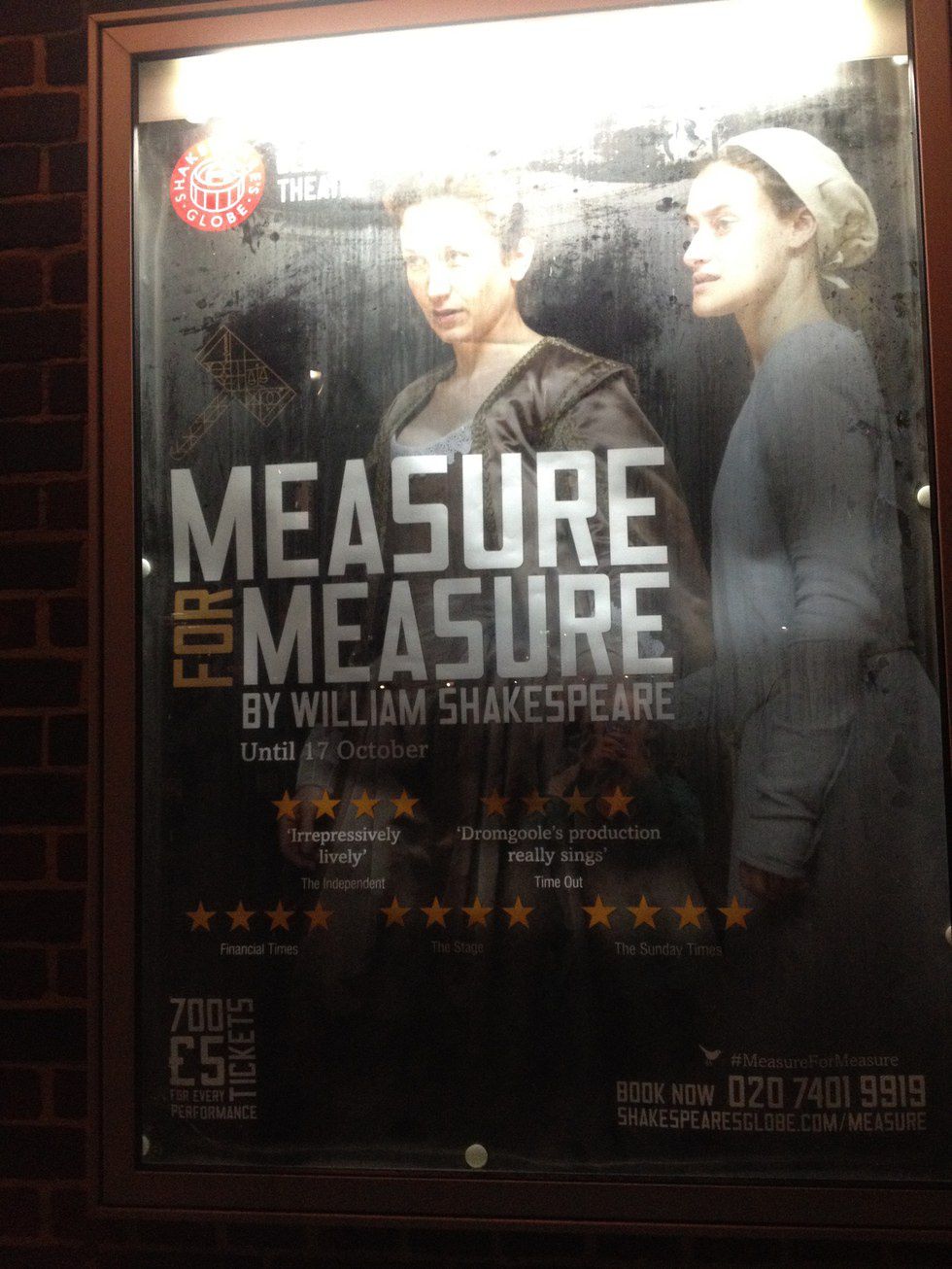
I saw this play at the Globe Theater in London last September. To be honest, I had not heard of it before then. It is perhaps not one of his most well-written, but definitely worth checking out. It is a strange play in that it is usually lumped in with the comedies, but it isn’t quite a comedy. It is one that does not completely fit into any of the major categories.
Here is a very quick plot summary. Lord Angelo is put in temporary control of Vienna when the Duke, who pretends to leave town, dresses as an abbot because he wants to see what the people think of his rule and what actually goes on around town. Angelo, however, abuses his power. He has Claudio (the main character that the plot focuses on) arrested for getting his lover, Juliet, pregnant (Yep, Shakespeare!). Even though they are both trying to get married, Claudio is sentenced to death. His sister, Isabella enters the scene, and she goes and begs Angelo to let her brother go. He says he will, if Isabella will sleep with him, which she refuses because she is virtuous, religious, and chaste. The Duke helps Isabella in trying to convince Angelo to let Claudio go, and they hatch a plan. And well, you shall have to read the rest.
2. Winter’s Tale
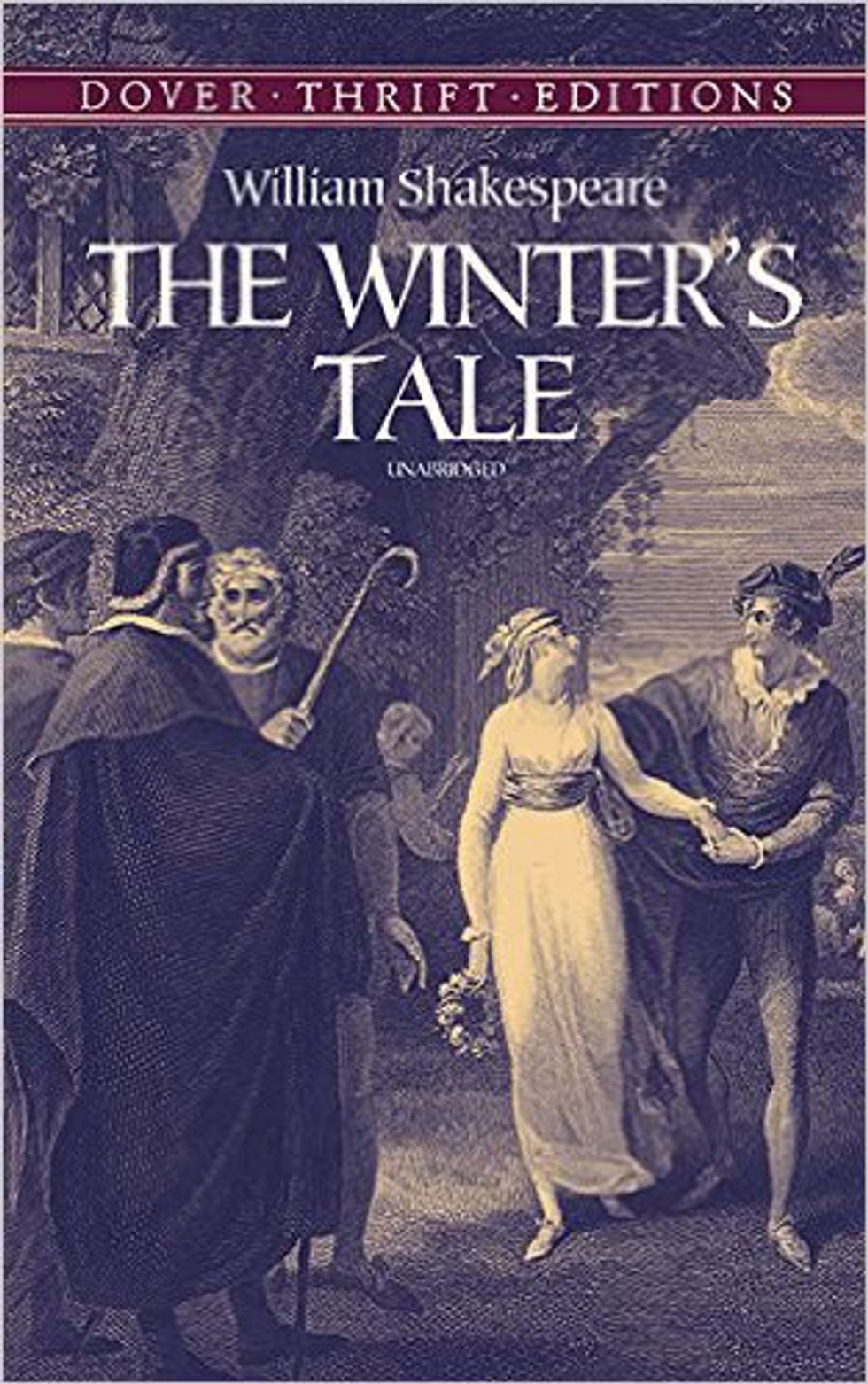
This one is one of Shakespeare’s lesser-known comedies, although again, not quite fitting in the comedy section. The plot of this story is long and convoluted so I shall only give you a little bit, and leave off the ending because if I spoil it, the twists won’t be as good.
There are two kings: King Leontes of Sicilia and King Polixenes of Bohemia. King Leontes accuses King Polixenes of having an affair with his wife, Hermione, who is pregnant. He becomes furious with his wife, throws her in prison, where she has a baby girl. He tells Lord Antigonus to take the baby and abandon it somewhere. Leontes discovers that they are innocent, but then his son and wife die. He must find his daughter if he wants his line to continue…
3. Coriolanus

This play may not be quite as obscure as some of the others because Tom Hiddleston just recently did a rendition of it, playing the title character. However, it is hard to find, so I am going to talk about it anyway. This is one of Shakespeare’s tragedies. Again, you shall have to read the play to find out the ending.
Coriolanus is set in ancient Rome in the aftermath of a famine. The plebeians, or common people, demand that they have the right to set the grain supply so they know they can buy enough to feed themselves. They are granted their request. Caius Martius, who hates the lower class, does not like this decision. War breaks out with a neighboring town, the Volscians, led by Martius’ rival Tullus Aufidius. They are defeated, and Rome takes control of the town Corioles. Martius is renamed Coriolanus. Coriolanus is given a hero’s welcome into Rome and offered the position of consul, but he must go out and plead his votes to the plebeians, who (if you remember) he hates. At first they agree, but then Brutus and Sicinius, who hate Coriolanus, convince the people that Coriolanus is an enemy and drive him out of Rome, declaring him a traitor….
4. Pericles
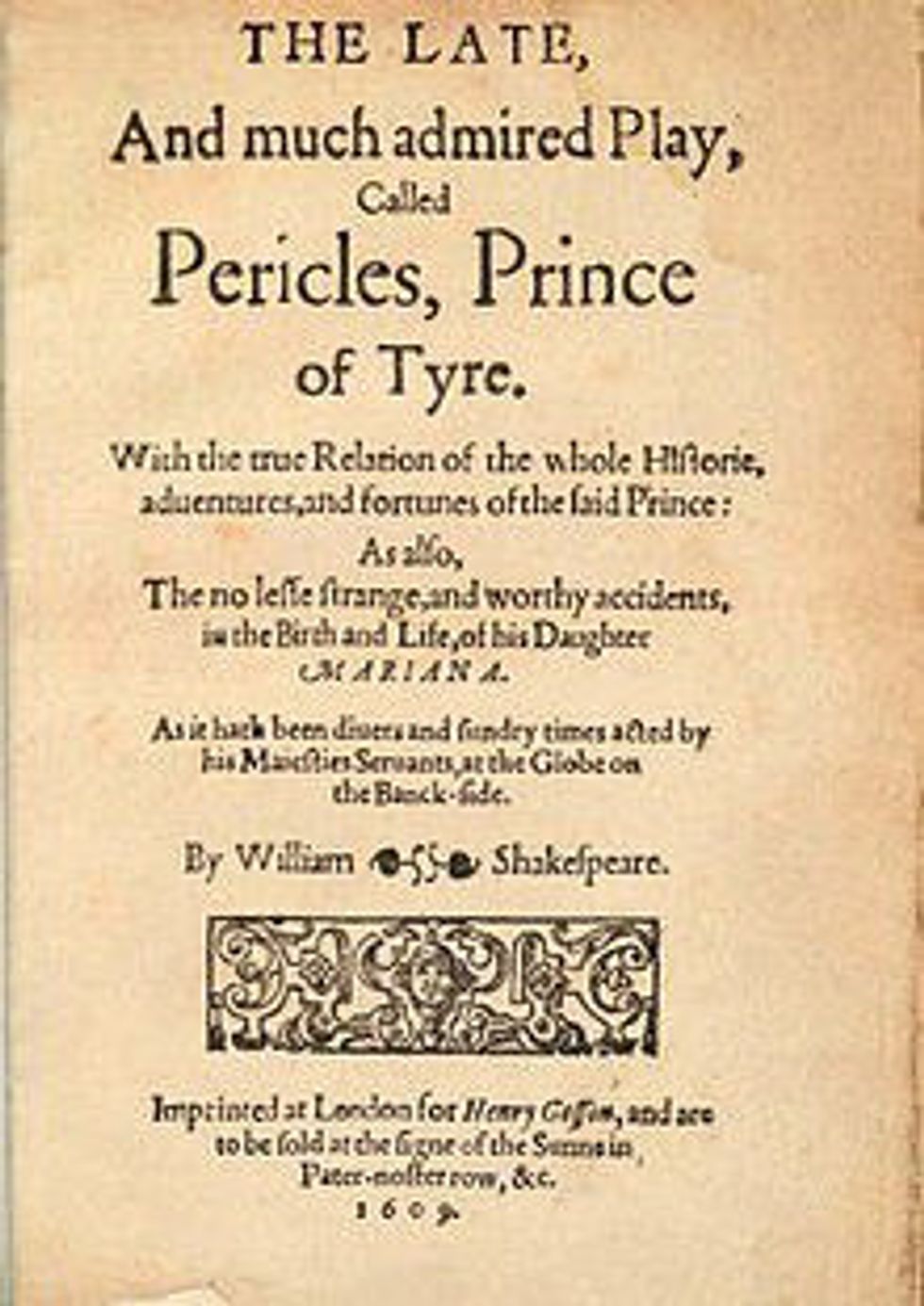
Pericles is one of Shakespeare’s histories. Now, that does not mean that everything about this history is correct--in fact most of it isn’t. Shakespeare did not write histories to be historically accurate, he wrote them to tell a story, and to use some of the things that happened as teaching methods. Pericles actually ends with a "moral of the story." So if you ever read Shakespeare’s histories, look up the real history behind the play as well. Most of Shakespeare’s histories are set in England with all the Henry’s and the Richard’s. Pericles, however, is set in the ancient world of Greece and the surrounding countries.
Here is a short, but not complete, summary of Pericles. It starts off in weird way: Antiochus and his daughter are in an incestuous relationship. (Okay, then...) Pericles, who is Prince of Tyre tries to win Antiochus’s daughter’s hand by answering a riddle. He succeeds, but he finds out about the incest and has to flee before Antiochus kills him. He goes to Tarsus, which Pericles saves from a famine by bringing corn. He heads home, but is shipwrecked in Pentapolis. He wins King Simonides’s daughter, Thaisa, in a jousting tournament. By this time Antiochus and is daughter have been killed in a fire, and Pericles tries to returns home to become king, but he is stopped by a storm. His wife, Thaisa, dies in childbirth, and Pericles arrives in Tarsus and hands over his daughter, Marina, to Cleon and Dionyza so they can care for her….
5. Cymbeline
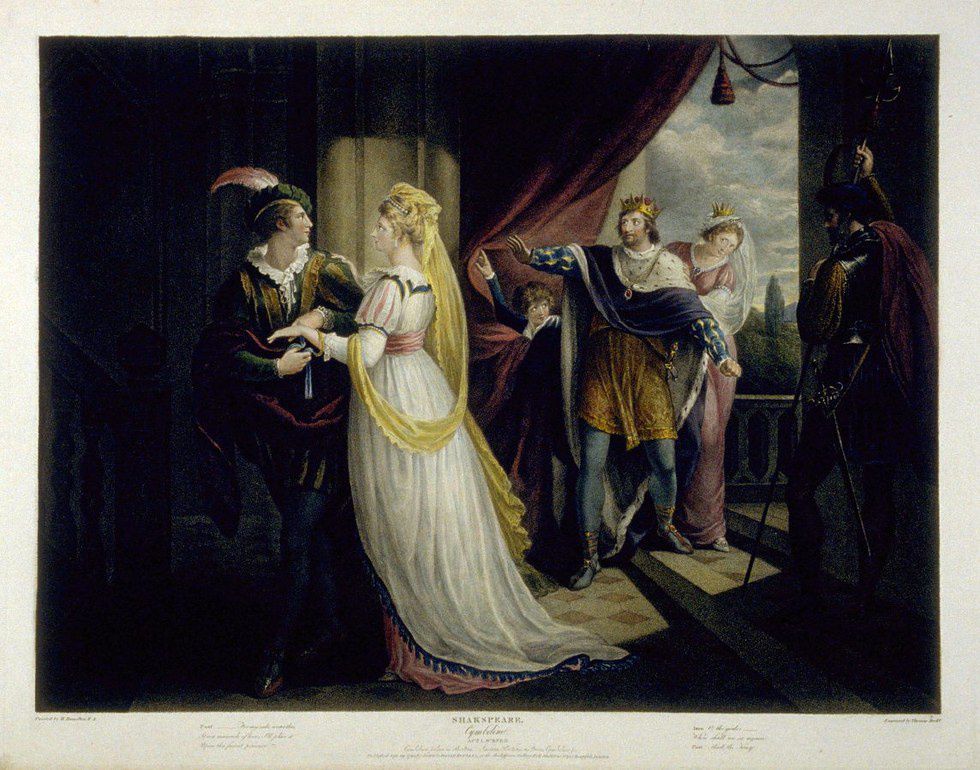
This is usually grouped as a Romance, but it has elements of different categories, making it one of the hybrid plays. It is another convoluted and sometimes confusing story, and strangely enough, the play does not revolve around the title character. In fact, Cymbeline is not even in the play much.
Imogen, the daughter of British king Cymbeline, marries Posthumus, a lowborn gentleman, and angers her father. She was supposed to marry Cloten, who is her stepbrother. Cymbeline’s new Queen is Cloten’s mother, and she is a villain. Cymbeline sends Posthumus into exile in Italy. Posthumus meets Iachimo, who is a crooked character and convinces Posthumus that all women are unchaste. He makes a bet that he will be able to seduce Imogen. He fails and decides to trick her. He does not sleep with her, but instead steals a bracelet and convinces Posthumus that he did the deed. Posthumus orders his wife murdered, but Pisanio, Posthumus’s servant, instead tells her to dress as a boy and go in search of her husband. Cloten keeps trying to pursue Imogen, and she refuses him. Imogen stumbles upon a cave in Wales, where Belarius, an unjustly banished nobleman, lives with his two sons, Guiderius and Arviragus. However, we learn that they are not actually Belarius’s sons, but Cymbeline’s. Cloten appears and Guiderius kills him in a duel. Imogen drinks a potion that the evil queen has given her, which the queen believes in poison. It is actually just a sleeping potion that causes Imogen to fall into a sleep that resembles death….
I hope that these five short, partial synopses will give you a little more knowledge of Shakespeare, as well as make you want to read them. They are all wonderful plays featuring all of Shakespeare’s best devices: love, lost love, found love, blood, fights, interesting language, weird relationships, revenge, happy endings (well, not the tragedies), exile, and convoluted plots, just to name a few. Happy reading!