College should be a fun experience, so you may not think to check for potential dangers. Investigating crime statistics and saving the campus police office's emergency number are easy ways to protect yourself, but you should also inspect your living area. These are seven fire hazards to look for in your college apartment so you're safe no matter where you live.
1. Burner Grease Coatings
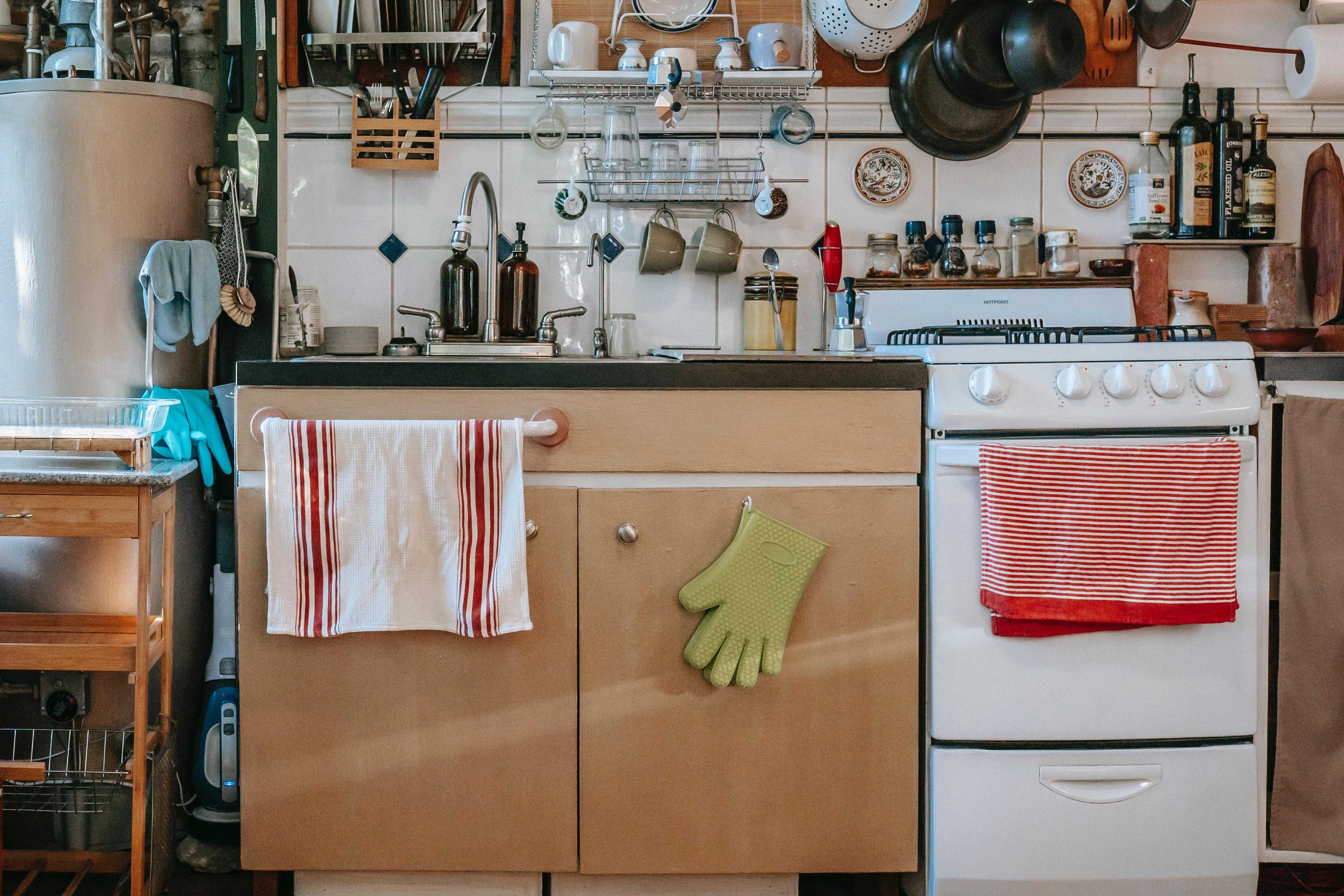
Before cooking your next meal, check the burners on your stove. If you have coiled burners, the rounded dish beneath them will catch grease or fallen food. They're easy to clean but often forgotten. Grease buildup is a fire hazard because it's so combustible. Clean your burner plates often to prevent accidental fires from the hot coils over old grease and burnt food.
2. Empty Smoke Detector Mounts
Every apartment should have smoke detectors, so check for empty mounts in your kitchen, hallways and living area. You can report any you find for an immediate replacement at no cost to you. If the detectors ever begin to beep, you should replace the standard batteries right away. Without them, you could sleep through your chance to escape a house fire.
3. Plastic Permanent Features
Some living spaces have permanent features made with plastic, like skylights. The businesses that made these products must ensure they passed routine flammability tests so they don't speed up a house fire if one occurs. Ask your campus housing or rental unit representative to put you in touch with their housing contractors so you can be sure you're safe.
4. Rusty Fire Escapes
Fire escapes are exposed to the weather, so they form rust quickly. If your apartment has a fire escape, double-check it for rust upon moving in. If there's ever a fire, you should have no issue opening and using the escape ladder. Rust could prevent that from happening. Renters can also remove the rust with simple solutions like vinegar and baking soda.
5. Grills on Porches
No one wants to tattle on their neighbors, but it's in your best interest to report anyone who keeps a grill on their porch. Gas and charcoal grills pose a considerable risk because they could start a fire if someone knocked them over or used them under a covered porch ceiling. You'll protect yourself and everyone in your rental building by anonymously requesting that community managers remove the grill.
6. Littered Cigarette Butts
Most universities and rental communities enforce smoking bans within a specified distance from living spaces. It keeps renters healthy and happy, but the litter can still become a problem. If someone doesn't completely put out their cigarette, they could start a wildfire by tossing it into dry grass or brush.
State requirements passed in 2004 required cigarettes to become self-extinguishing before businesses could sell them, but that doesn't prevent all wildfires. If you see littered cigarettes around your building, file a complaint so the maintenance team can dispose of them properly.
7. Excessive Dryer Lint
Dryers create intense heat even on low-temperature settings. When the lint basket fills up and stays that way, the heat can burn the fine fibers and cause a house fire. Clean your dryer basket before each load, especially if your college apartment requires the use of a community laundry facility. You'll save yourself from a fire hazard and dry your clothes faster because the air filters through the ventilation system more efficiently.
Look for Fire Hazards in Your College Apartment
These are just a few fire hazards to look for in your college apartment, so keep your eyes open. Become proactive about replacing smoke detector batteries, watching for community fire risks or cleaning your dryer basket. You and your neighbors can be safe with just a few extra minutes of your time.