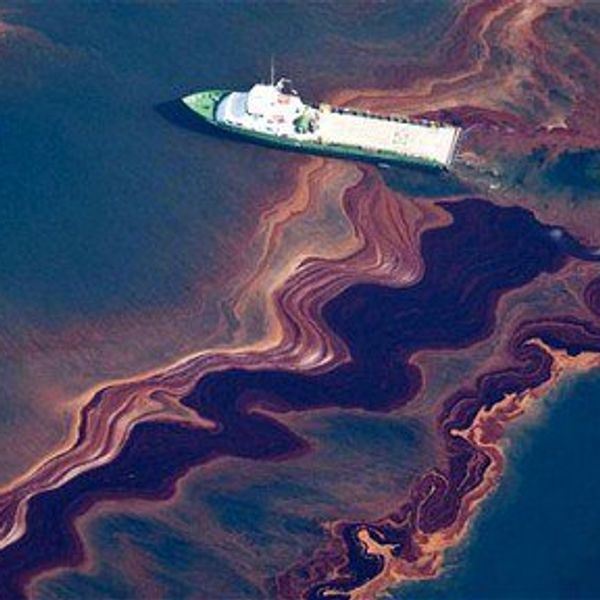
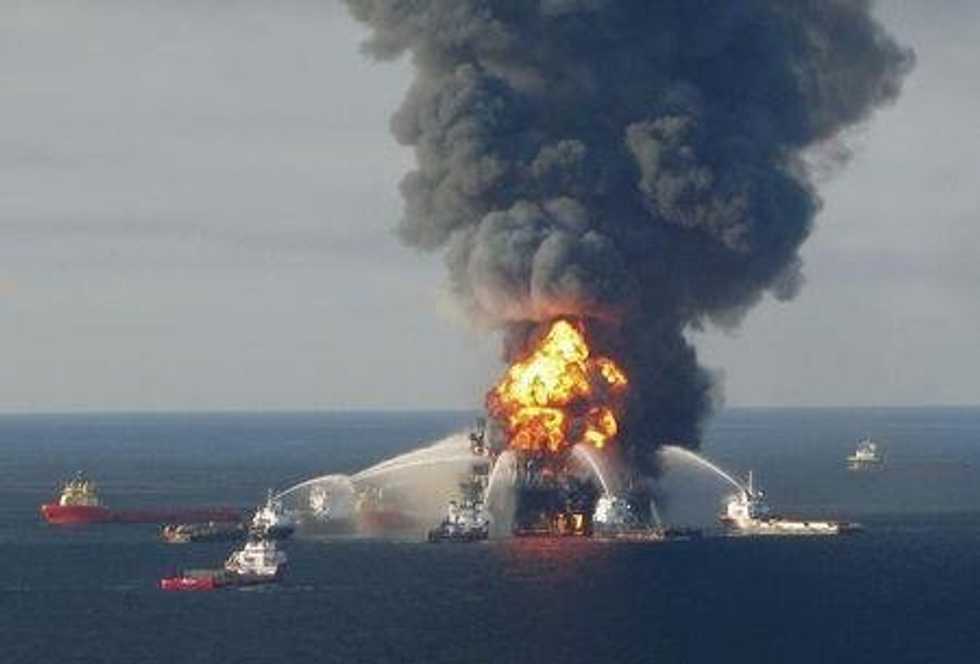
We all remember that tragic day on April 20, 2010, when the Deepwater Horizon rig exploded. It was the worst offshore oil disaster in U.S. history. It killed 11 workers, and spewed millions of barrels of oil onto the shorelines of several states for nearly three months.
British Petroleum (BP) is having to pay up to $18.7 billion in penalties to the U.S. government and five states to resolve nearly all the claims from its deadly Gulf of Mexico oil spill five years ago in the largest corporate settlement in U.S. history.
Not only did BP have to pay billions in penalties to the U.S. government and to the five states that were involved, they also have an agreement that adds up to $43.8 billion. This agreement is money that had been set aside for criminal and civil penalties, and cleanup costs. BP states that the grand total of the cost of the spill comes out to be $53.8 billion.
The U.S. Department of Justice and the affected states have made an agreement that BP will pay at least $12.8 billion for Clean Water Act fines and natural resources damages, plus $4.9 billion to the states. Instead of having BP pay it all, straight out, they have staggered payouts over as many as 18 years.
To elaborate on what the Clean Water Act, it covers fines and natural resources damages, along with claims by Alabama, Florida, Louisiana, Mississippi and Texas, as well as 400 local government entities.
The settlement announced Thursday closes off those remaining liabilities. The Governor Bobby Jindal of Louisiana stated that, “This agreement will not only restore the damage inflicted on our coastal resources by the Deepwater Horizon oil spill, it will also allow Louisiana to continue aggressively fighting coastal erosion.” Louisiana was the hardest hit state.
Since BP is smaller among the bigger oil majors, it has made them more vulnerable. It is unclear how they will pay for all the settlements. David Yarnold, CEO of the National Audubon Society stated that, “Now Gulf Coast restoration can begin in earnest. It’s time to heal the wounds that BP tore in Gulf Coast ecosystems and communities.”