In a world where over 50 percent of Americans are on Facebook, it is evident that our actions and words on the social media platform can imply many things. On Friday the thirteenth, a day which has been deemed notorious already, three teams of terrorist groups staged coordinated attacks at six different locations in Paris, giving the day even more attention. Reports have said that at least 120 people have been killed, and over 350 people have been wounded, numbers that are expected to grow. What does Facebook have to do with any of this?
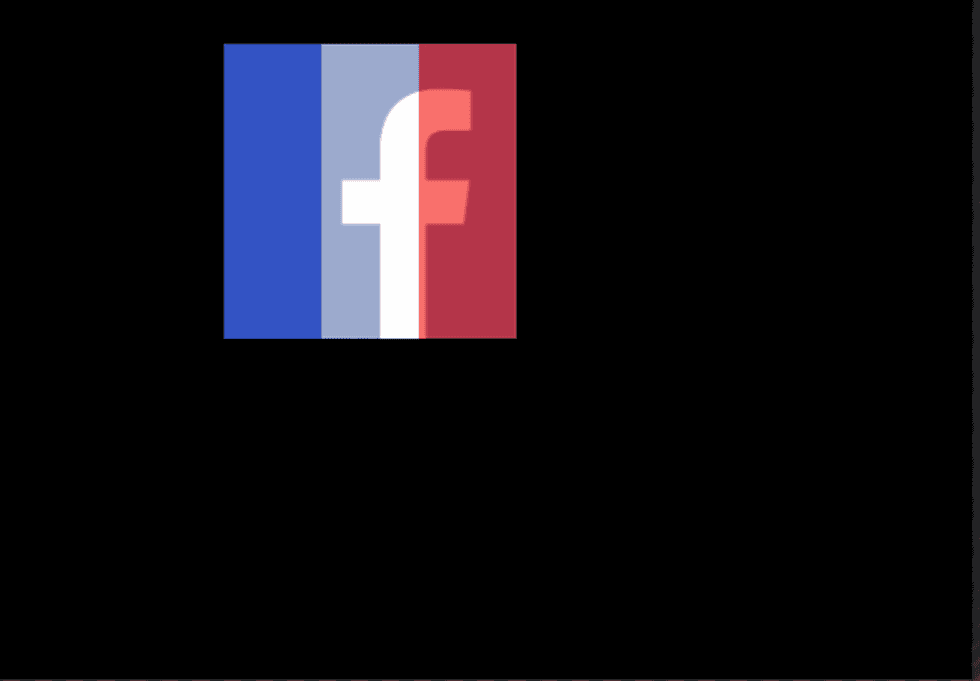
Soon after the attacks, Facebook quickly developed some features to show support of Paris, France through the ability to "filter" profile pictures with the colors of the French flag. Facebook also developed a feature which allowed people in Paris to display their safety. However, lately, some people have come out on Facebook saying they don’t understand the need for filters, and that filters don’t change anything that’s happened. The question has also been asked, “Why can’t we just send personal messages?” So why do these Facebook filters matter?
An online magazine, "Mental Floss," displays some information about international support in times of national crisis within one country. After Sept. 11, 2011, a well-known French newspaper, "Le Monde," ran a headline reading “We Are All Americans.” Other countries as well came together as one. Did it change what had happened? No, it did not, but, I pray, what is more beautiful than this? Everyone becomes one during hard times. It proves, time after time, that the individual flags we fly do not deter from our collective humanity. So why not add a French flag filter to our images? It seems that we could all take notice, and perhaps send a message, saying “We are all French.”
When we display the flag of France filter, what are we saying? Are we sending this message? For the majority of us, yes. It appears to say, based on multiple comments, that we support you, and those who died could have easily been one of our loved ones. It says “we are one with you."
Now, on the other hand, what does the deep and negative questioning toward the necessity of these filters say?
I have grown up in what many older adults consider “tough times,” and I have seen support come in many forms and from various places. When I see people’s efforts being called out, I am hurt. When I see negativity toward empathy, I am disgusted. It seems that deeming a Facebook filter unnecessary means deeming empathy and an efforts to support unnecessary. Not all messages are personal. When we fly a flag at half-mast, is this not a public display of remorse?
In today’s society, we use Facebook to say a lot. Sometimes, we even use Facebook to take action. To those ranting over the “unnecessary” Facebook filters, you’re absolutely right, a Facebook filter will never take back what happened. This being said, everything you say and do, including on Facebook, makes a difference. In a time of tragedy, what you say and do on Facebook does matter. What are you saying?