
In order to highlight ways we can fight for the rights of our fellow human beings who happen to be transgender, I would like to share what happened to me today on the job as a substitute teacher. Today was not an easy day – it was, frankly, exhausting trying to combat all of the forces I encountered while trying to advocate for transgender students.
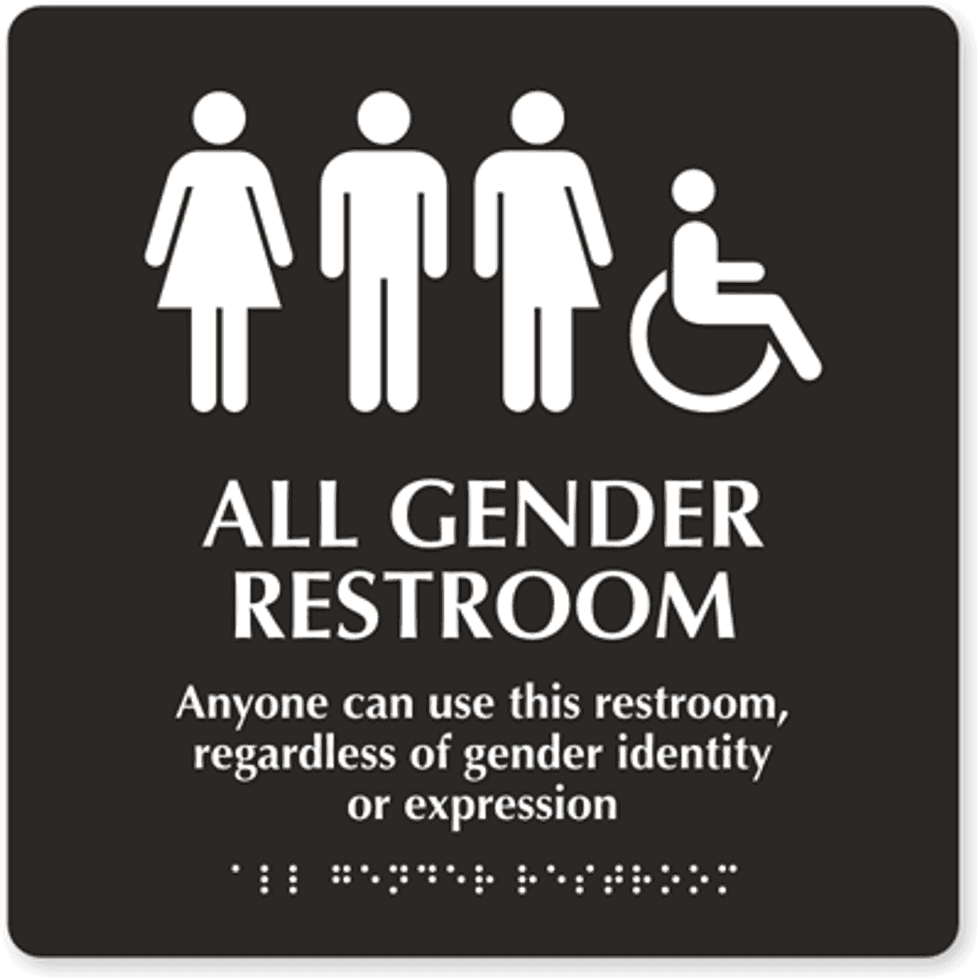
I found myself taken aback when three students of mine claimed that they agreed with North Carolina’s ‘bathroom bill,’ meaning they believe people should determine which bathroom to use based on their sex listed on their birth certificates. One of these students claimed that people using restrooms with opposite genitals from the ones corresponding to the gender symbols on the door sign could lead to “awkward situations” and sexual assault. I was quick to present an even more awkward (and likely) situation to him:
“Let’s think about your proposed idea for a moment. If you saw someone who looks like me, a female, in the same bathroom as you, what would you say to her?” I asked him.
“Well,” he proposed, “I would tell her that she is in the wrong bathroom, and she would apologize and leave, I guess.”
“Let’s say that she were to identify as a female, but ‘male’ is listed on her birth certificate,” I replied. “She would have to tell you that, according to the bathroom bill, she is legally required to use the men’s bathroom. Wouldn’t that also be awkward? You would end up having this conversation every time a transgender woman walked into the same restroom as you.”
He was lost for words. Eventually, he mumbled something about the threat of sexual assault if men dress as women, claiming to be transgender, and enter female bathrooms. However, evidence shows that protecting transgender people’s access to preferred bathrooms does not lead to any increase in sexual assault cases in bathrooms or changing rooms, and it would be especially helpful to instead focus on preventing sexual assault toward transgender people because, sadly, 64 percent of them report being sexually assaulted in their lifetimes.
I also mentioned to my students the idea of simply having unisex bathrooms for everyone to use, as highlighted in an informative video from the YouTube channel Sexplanations by Dr. Lindsey Doe, a human sexuality expert (she even made awesome unisex bathroom signs that utilize a simple triangle inside a circle symbol for anyone to use). This idea seemed to intrigue the three students, giving me hope that they too will one day become allies to the transgender community.
Later in the day, it became apparent that the simple task of taking attendance in school can lead to yet another uncomfortable situation in the daily life of a transgender student. What happens if substitutes or other school personnel call out the name of a student listed on a roster which the school has not yet updated to reflect the student’s preferred name? Today I had a transgender student in one of my classes who still had his female name listed on the roster. Luckily, I had already known this student and his preferred name, so I was able to prevent any harm to the student. The Obama administration recently released guidelines on how to prevent transgender rights violations for students in public schools, which include using student's preferred names and pronouns and giving students the right to use restrooms which correspond with their gender identities. It is my hope that by releasing these guidelines, the number of trans-accepting schools in the U.S will increase.
I came home today to find a Netflix DVD in my mailbox. It was The Danish Girl. In case you do not know, this movie tells the heartbreaking and beautiful story of a Danish transgender woman named Lili (played by Eddie Redmayne) in the 1920s who was one of the first people in history to undergo sexual reassignment surgery. I was weeping by the end of the movie because it made me realize just how much oppression and humiliation a transgender person can go through every day in our society, not to mention managing the difficult task of trying to figure out which bathroom to use. The beautiful part of the story was that Lili’s closest friends and family continued to stand by her side and love her, especially during her roughest days.
I say that my day was not easy, but today’s events reminded me that a transgender person may have had a much harder day today than I will ever have. In order to combat the ongoing threats to the rights of the transgender community, we can speak up when others try to strip away their rights, and we can consistently follow the proposed guidelines and examples on how to secure their rights. Most of all, we can remember to simply give love, support and encouragement to the transgender people in our lives.
What will you do to ensure the protection of transgender rights in your community?