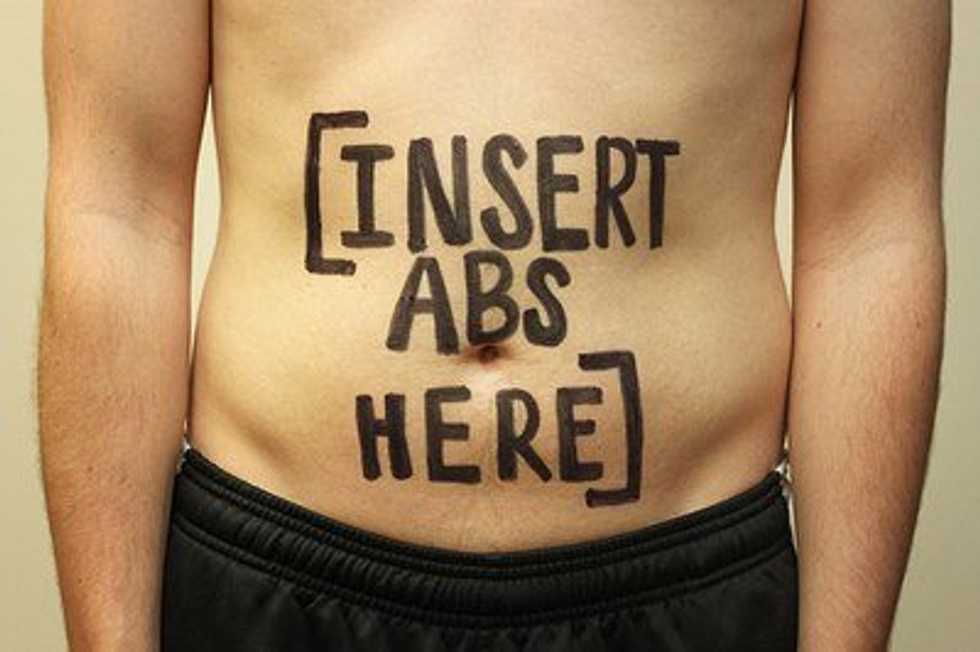
Today I read that there is a man who has been named the first male plus size model. I think this is great news; that the modeling industry is finally able to recognize that men too have many different and varying body types and not all have solid six packs and a defined V line. I think what is even better about this announcement though, is that it helps to break down society's feminization of body issues, and gives a great opportunity to talk about some things that go on in regards to bodies, eating and body images that exist not only for women, but for men too.
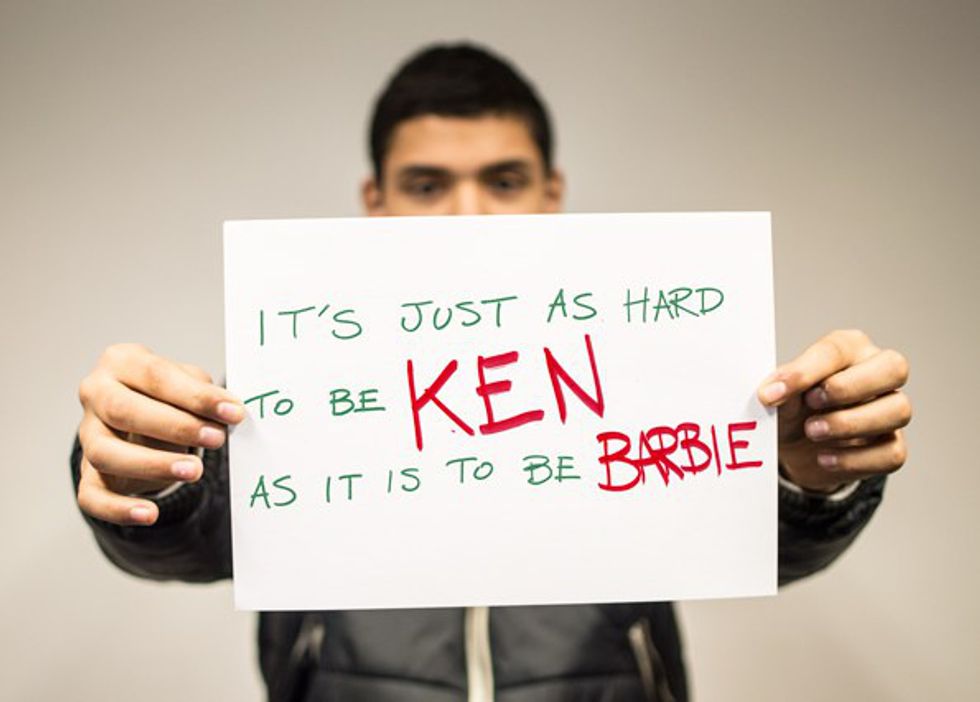
We live in a world today where there are many types of stigmas that surround the many different types of body types, but I feel like all of the problems and insecurities and even the stereotypes are only considered to be in existence for women and it is forgotten that men often also feel the same body related frustrations that women do. This is something that can be related back to the traditional gender roles that existed once upon a time, that have crept into today's way of thinking. Women were and unfortunately sometimes still are considered to be weak specimens, which is why people seem to classify body issues as a woman specific problem. On the other hand, men are considered to be strong beings, which makes something like insecurities regarding the way they look to be something that "shouldn't" bother them, and that they can "easily" fix it if they would like. This unfortunate way of thinking is something that has led to an incorrect belief that women are the only ones who are affected by negative self body images and the negative approaches that exist in regards to their personal feelings on their bodies; but that is not the case, I remember learning in health class that eating disorders, while existing struggles for both males and females, is "wayyyyyyyyy" more prevalent in females.
Well, false.
In actuality, the numbers are way closer than I feel like most would expect. .9% of females will struggle with anorexia in their lifetime, 1.5% will struggle with bulimia, and 3.5% will struggle with binge eating. For men, .3% will struggle with anorexia, .5% will struggle with bulimia, and 2% will struggle with an being eating disorder in their life time. .9 and .3, 1.5 and .5, and 3.5 and 2, do those numbers seem that far off to you? Because they don't to me, but yet people today still don't seem to realize what an actual issue it is that we feminize eating disorders.
By making something so dangerous to someone's health a female specific issue, we are isolating all of the men that need help. Because of the gender roles that exist, it makes it hard for many men to discuss something that people are making a woman's problem, because it can lead to them feeling like they are losing a part of masculinity, part of what makes them a man. Getting help for a sickness should not be something our society inadvertently steers men away from with our out dated way of thinking. This is why society as a whole needs to become better educated on eating disorders, and why we need to change our way of thinking and our way of speaking so that those who may need help can feel comfortable asking for it.
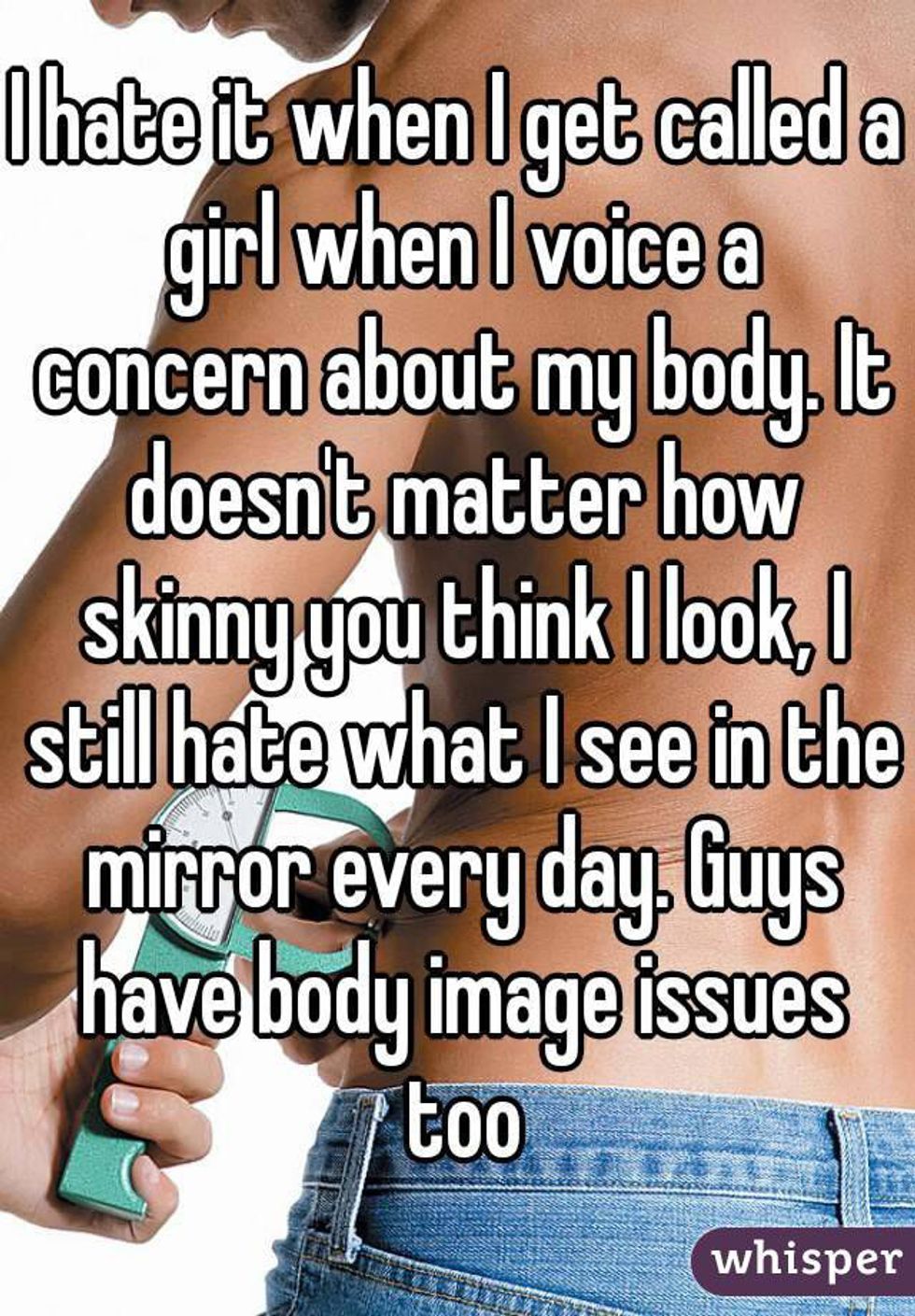
It's 2016, our thinking needs to catch up with the times and we need to be more conscious of the things we say and do, realizing that the way we expect things in today's society to be is not always the case, and that often those expectations can lead to some very negative outcomes for other people.