There is no such thing as one type of feminism. However, there are types of feminisms that have marginalized different groups of people. Feminist movements throughout history have excluded people of different classes, sexualities, disabilities, and race.
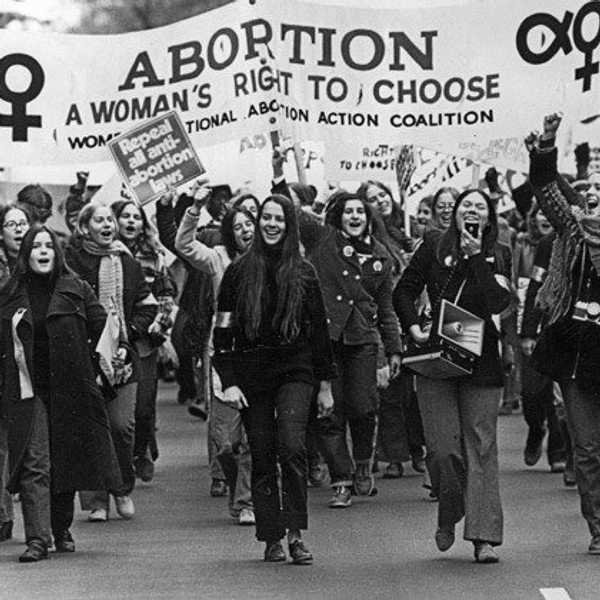
One of these particular mainstream movements is the right for a woman to have an abortion. While advocating for this is a significant aspect in women’s rights, attention has not been given to women that are fighting for their right just to have a child.
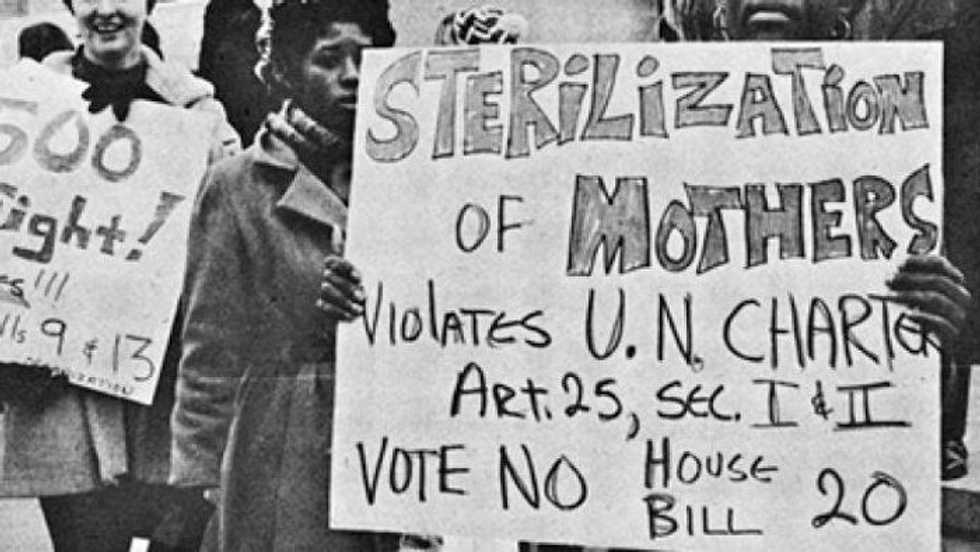
Women of color have been sterilized without their consent because eugenics programs were looking to diminish the population of the “undesirable.” There was belief that the poor, mentally ill and minorities were genes that should not be passed on in order to improve the human race.
The U.S. government took control of Puerto Rico in 1898 and since then population control has been a concern because of possible social and ecological damages. Law 116 was passed in 1937, starting up the population control program designed by the Eugenics Board. The U.S. government did not provide women with reversible birth control options, but instead pushed a more permanent solution: sterilization. On top of this, proper knowledge of sterilization was not provided for these women and many of them believed the procedure was reversible.
During the years 1929-1974 in North Carolina 7,600 people were sterilized, 85 percent were women and girls, and 40 percent were minorities, most of them black. The goal was to have the problem of poverty and substance abuse diminished or gone in the next generations. In 1967, one woman, Elaine Riddick, was rapped and gave birth to child at 13 years old and was also sterilized at this time. She did not know she was sterilized until she tried to have children with her husband. The eugenics board agreed that is was right she was sterilized and described her as “promiscuous” and “feeble minded.”
Family planning services started to be offered to Native Americans in 1965 through the Indian Health Service. By the 1970s, 25 percent of Native American women between the ages of 15-44 were sterilized. Women would go into Indian Health Service hospitals for different health reasons, and come out sterilized. On two separate occasions, two Cheyenne women went in to get an appendectomy and were sterilized while sedated. Having children in Native cultures is important for their tribal survival, and having this taken away from them has a huge negative impact on their social and emotional health.
The sterilization of these women took away their reproductive rights and caused emotional scars; however, it is rarely brought to attention or talked about.
Even in the 21st century, not much attention has been brought to the issue. In 2012, North Carolina politicians blocked plans to give victims of sterilization abuse compensation for the emotional and physical damages inflicted on them. Incarcerated women have gone through forced sterilization. The Center for Investigative Reporting released information that for two decades in California's Valley State Prison, 148 women were sterilized without state approval between 2006-2010 and 100 other women were sterilized going back to the 1990s. From 1997-2010, $147,460 was paid to doctors by the state of California to sterilize women even though federal and state laws ban federal funds from being used in procedures such as sterilization.
Despite this, there has been progress. The governor of California, Jerry Brown, signed a bill in 2014 that prohibits incarcerated women from being sterilized without their consent. It passed the state’s assembly and senate chambers unanimously.
While this is a small step forward, more attention needs to be brought to this issue. As a feminist myself, I believe it is our job to learn about this issue and share it with others. Feminism has become increasingly inclusive with women of color; however, we cannot ignore this wrong and painful past. The abuse of people of color has been ignored in history and women of color’s issues have been secondary to the mainstream feminist movement. Spreading awareness of women of color’s oppression is important in the overall goal for everyone's voices to be heard in the feminist movement.