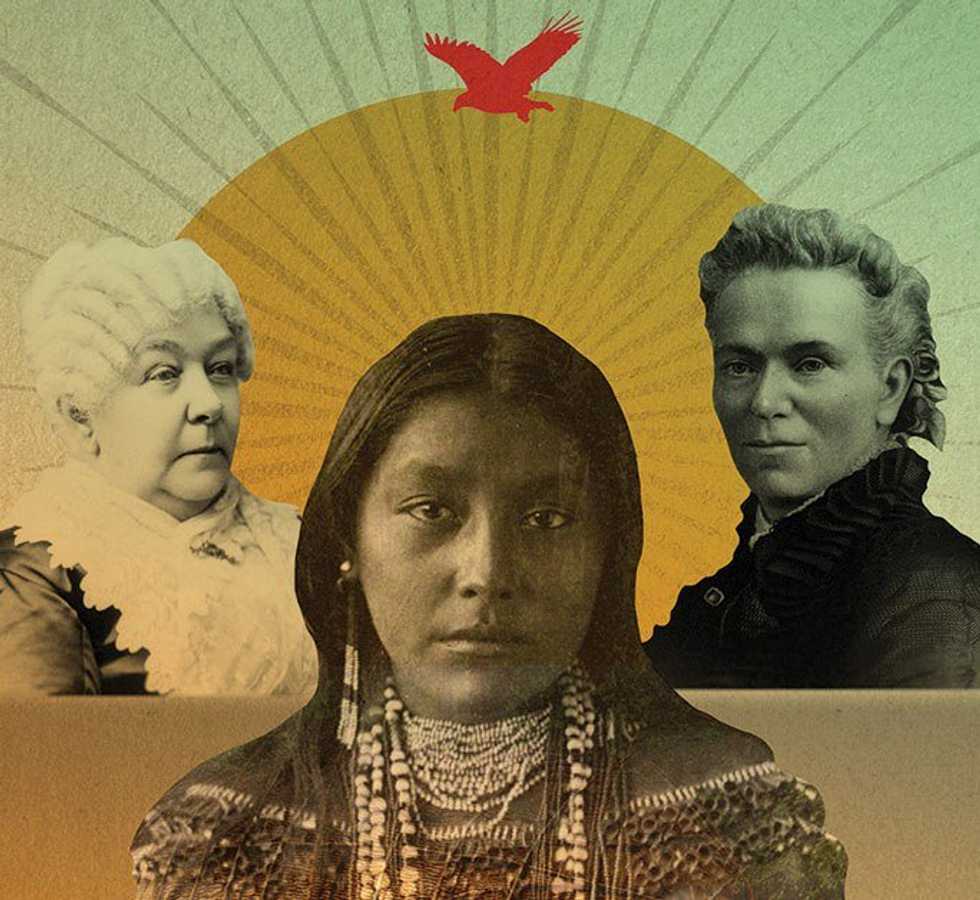
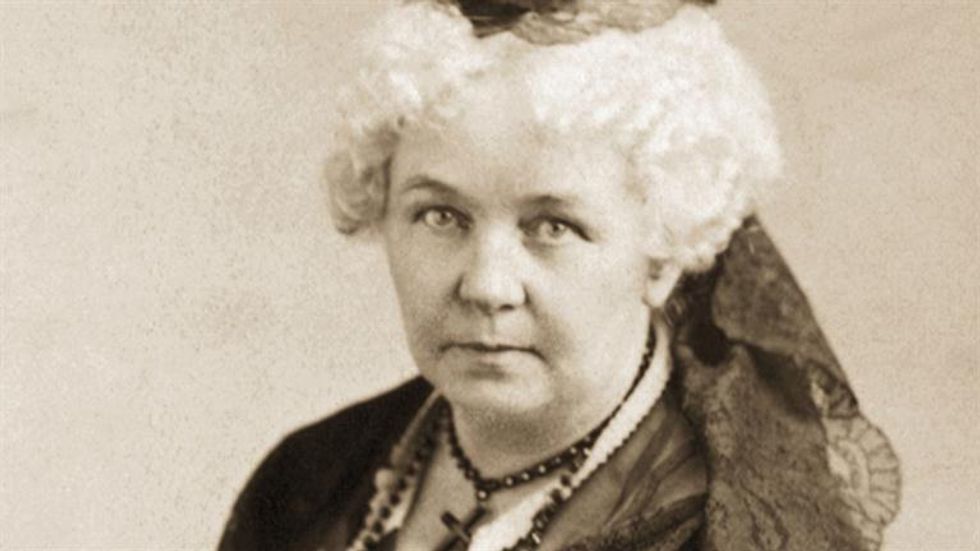
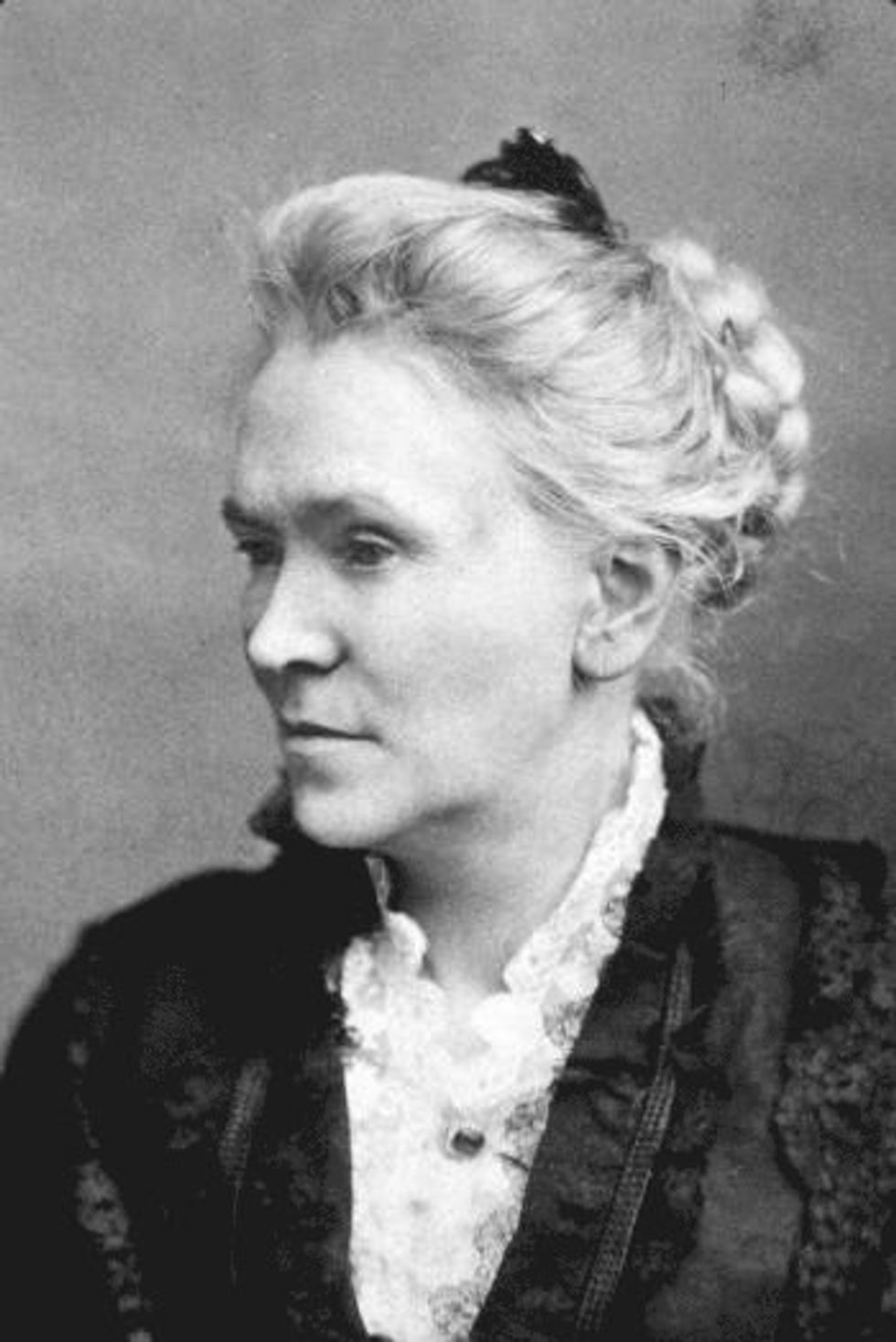
Who are the faces of feminism as we know it? According to the history books, Susan B. Anthony, Elizabeth Cady Stanton and Matilda Joslyn Gage.

In the early nineteenth century the American Women’s Rights Movement began, marking the basis for what we consider the modern feminist movement. The implications of this movement have been monumental, not only in relation to the progression of women’s rights in the United States, but also in looking to where the pioneers of the early suffrage movement derived their ideas, which were markedly radical for the conservative, oppressive atmosphere at the time. Despite the obvious nature of their rebellion, that is, their oppression, one must wonder how these women were able to propose such radical and descriptive models for social reconstruction while also being treated as metaphorical prisoners.
The answer lay just outside, and oftentimes within, their own homes. Colonial and early American women lived in very close proximities to American Indian societies; egalitarian, matrilineal societies that presented an antithesis to the suffocating, patriarchal society chief sources on early feminist rhetoric lived in. It is certainly reasonable to assume that, just as the Founding Fathers took American Indian ideals of equality and universal representation and wove them into the Constitution, early American women took indigenous ideals of a matrilineal society and equal burdens of social work and wove them into their feminist texts.
Early feminists used their roles as wives and mothers to justify their suffrage. The indigenous justification for women’s roles in government was very explicit; women’s voices as wives and mothers, as keepers and owners of the home, were invaluable to the overall well being of the nation. Women were valued in indigenous nations much more than in the early United States. Thus, early feminists had to use different justifications for their right to vote.
Their argument did, however, fall in the same vein. Voting, they claimed, would improve their ability to act fully as wives, mothers, and women. By sharing the burden of the government, women would become smarter, they argued. This argument appeals to the masculine notion of the intellectual inferiority of women; perhaps if women were allowed a window into the world of men, they would become smarter, more like men.
These early feminists also took their roles as wives and mothers and claimed the vote would improve their parenting and marital skills.Overall, these justifications for women’s suffrage were rooted in the ideas of equality between men and women, and through the importance of the roles that wives and mothers should have in a given society. Given that nowhere in the United States or England were wives and mothers valued in such a way, it is reasonable to assume that these new American women’s rights activists derived their hopes from neighboring indigenous societies.
Gage and Stanton fought for the end of marital abuse consistently during the Women's Rights Movement. Within indigenous, matrilineal societies, marital abuse was fiercely condemned, indicated by the Code of Handsome Lake, which tells the tale of a man who was forced to beat a "red-hot statue of a female as he had his wife" (Wagner, 2001). American laws did not provide any such protection for women, considering women were not even considered citizens, and the radical notions of human decency among the Iroquois nations must have enticed the American women.
Hand in hand with marital abuse came equitable divorce laws, advocated for by Stanton. She saw the “model of divorce Iroquois style,” and admirably called for the same implementation in the United States when speaking at the National Council of Women Convention in 1891 (Wagner, 2001). In this instance, Stanton actually cited an indigenous nation as the inspiration for her fight for divorce equality. Stanton also fought for voluntary motherhood, a concept that gave women autonomy over their own bodies and ownership of their children, as well as more power within the home. She drew these ideas not from American society, which had criminalized birth control and family planning, but rather from the neighboring Seneca nation, which had matrilineal practices. This meant that there were no bastards, because lineage was passed through the mother, and Gage admired that “’the division of power between the sexes in its Indian republic was nearly equal’” (Wagner, 2001). Clearly, early American feminists drew a lot of inspiration from their indigenous neighbors in terms of equality, feminine importance, and bodily autonomy.
While this research is preliminary and extremely brief, it provides a framework for further investigation into the influence that indigenous cultures have had on the formation of the country we currently live in, as well as the ideologies held by its constituents. Additionally, researching the influence of outside cultures and belief systems on feminism allows a more holistic scholastic scope of the ideology to be disseminated and practiced.
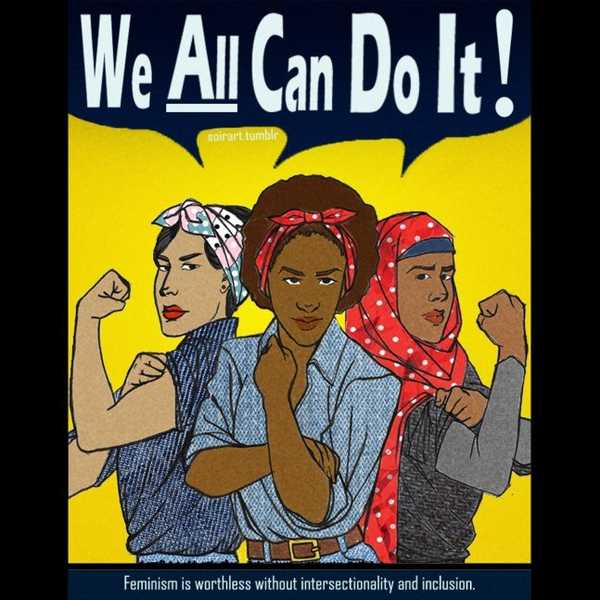
It is vital to recognize that feminism is a conglomerate of different cultures and ideas; it is not the brainchild of long dead white women. Feminism is constantly changing and growing as an ideology, accepting the views of all types of women into its midst. Thus, investigating the impact of indigenous societies on the earliest development of what we now consider modern feminism is vital to truly understanding the ideology in its fullest.