
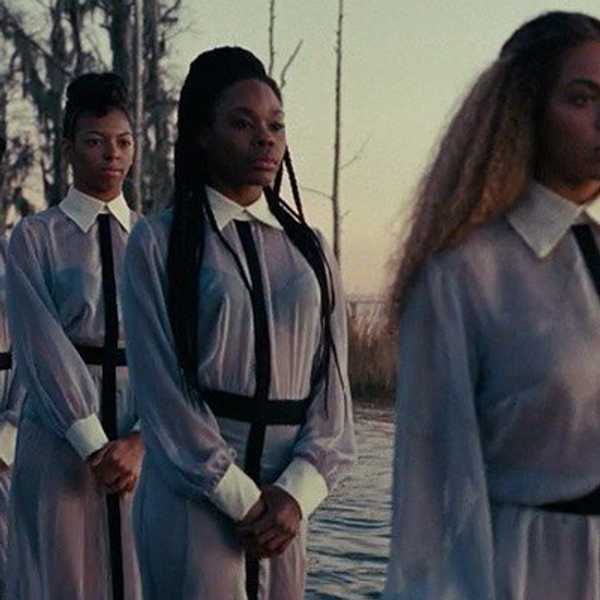

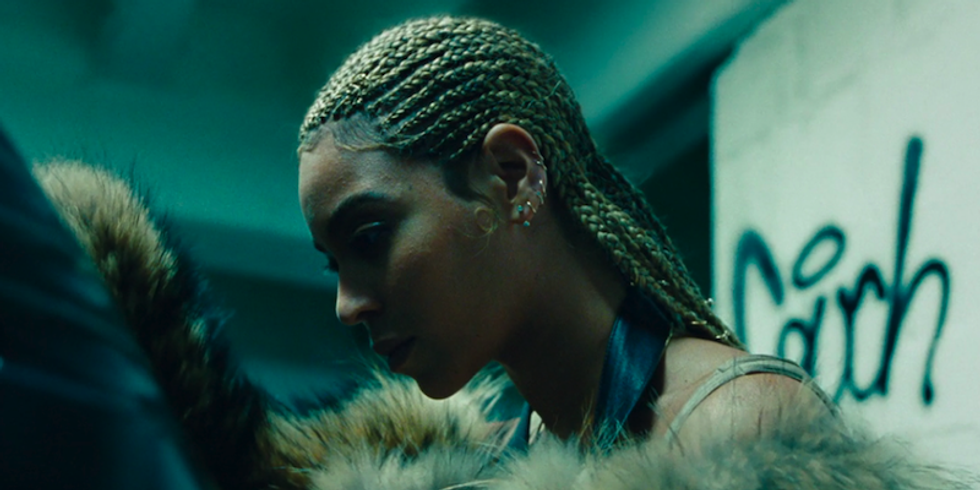
After watching, it’s hard to not agree that Beyoncé has created a brilliant and stunningly vulnerable piece with her latest release “Lemonade,” a 58-minute visual album filled with raw emotion, new songs, bold statements, gorgeous images and iconic women of color. Although overall it is a much needed extension of the black female empowerment messages found in her song “Formation,” there are factors in the narrative of this film piece that demand second thought and analysis.
The piece goes through what initially appears to be the stages of grief, each one introduced by white text that displays the next “chapter” of the journey. At first, it seems like she is following the stages exactly as the viewer picks up on the themes and progression. However, things take a turn when it is no longer following the traditional stages as described by Swiss psychiatrist Elisabeth Kübler-Ross, in her book "On Death and Dying," which are denial, anger, bargaining, depression and acceptance. Although, it does loosely follow this progression mentally and emotionally, seemingly tailored to fit Beyoncé’s personal experience with what appears to be a brief artistic expression of her relationship with artist Jay-Z. He even makes an appearance towards the end of the piece, something I found to be very brave after all of Beyoncé’s obvious accusations and ultimatums that were very clear in previous scenes of “Lemonade."
Assuming the person she is discussing in this piece is her current husband, it is without a doubt stated in this piece that Beyoncé believed at one point that he was cheating on her, when she asks “Are you cheating on me?" the theme spiraling and popping up throughout the rest of the piece. In “Intuition,” she says, “you remind me of my father, a magician, able to exist in two places at once. In the tradition of men in my blood, you come home at 3 a.m. and lie to me. What are you hiding?” In “Anger,” she says, “if you try this shit again, you’re gon’ lose your wife,” and she drops her wedding ring on the ground. Although striking, especially as Beyoncé verbally slaps the audience with statements and questions regarding his actions, it is also dumbfounding to think that anyone in their right mind would cheat on Queen B, her pain and situation letting the public into the complex relationship between the two. This humanizes her even more, closing the distance between the superstar and anyone who has ever been hurt by someone they love.
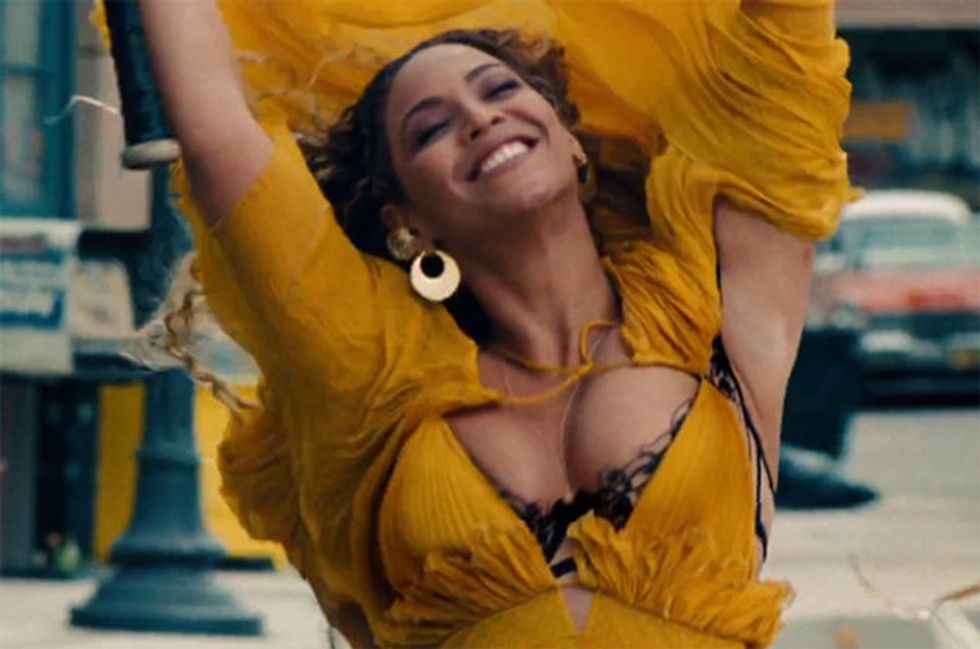
“Lemonade” oozes beautiful femininity and the power of the female sex and gender. It includes things like unapologetic references to nipples in mouths as well as symbolic images of long red hallways combined with spoken word referencing the moon, a clear representation of menstrual cycles. It's also filled with allusions that celebrate black women, like those to Oshun, who is the Yoruba deity of sweet or fresh waters, healing, fertility and prosperity. She has Serena Williams, Zendaya and Winnie Harlow make appearances among many other prominent and highly influential women, all of whom represent success and empowerment for female women of color. Artistically, the piece is unparalleled, ingenious and a massive artistic achievement, as well as a celebration of femininity and the strength of women of color.
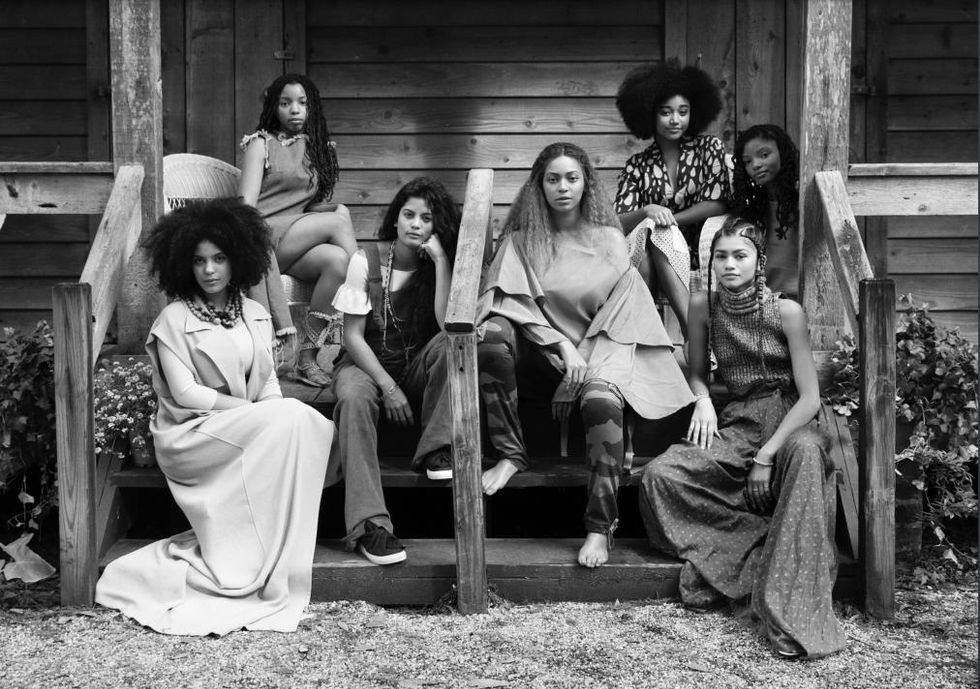
Although this piece is triumphantly brave and parts of this piece are desperately needed by feminists and the black community to progress and heal, it isn’t perfect in terms of the technicalities behind her storytelling and progression of the piece. Aside from all of these empowering words and images, “Lemonade” also manages to seamlessly blend feminine power with what appears to be the pain of the sufferer of a possibly toxic relationship. Although queenly and strong, it is hard to ignore the very visceral pain, numbness, anger and eerie acceptance Beyoncé displays as she goes through stages of grief after what appears to be an incident of infidelity. To anyone who has experienced this within a relationship, especially one originally filled with selflessness and endless love, the emotions and pain are impossible to not connect with and recall; each stage of her pain pings the a different heartstring of the viewer. If you're like me, it leaves you feeling uneasy during the piece, knowing that as an artist, work like this doesn't come from a happy, stable place and worrying about her even after the film ends, despite her strength.
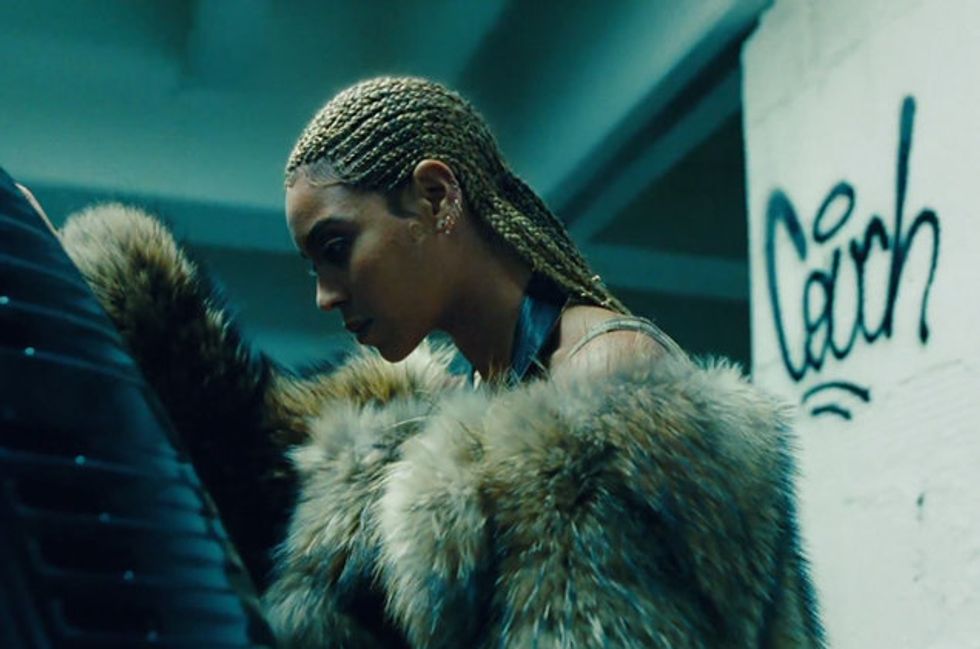
By focusing on her journey through the process to what could be called acceptance, the clear masculine error in this relationship as well as any struggle from her male partner goes unseen as the piece follows her journey through it. This puts the focus on her and her alone, turning the pain that he caused into something that is her responsibility to come to terms with if she wants to remain with him.
The issue with blending themes of black female power and the stages of grief caused by a toxic relationship without openly addressing how his mistakes are completely unacceptable and not without consequence, is that the piece in itself becomes a juxtaposition and tragically ironic. The constant mixing of her verbal threats and expression of obsessive and unwavering love throughout the various stages can be read as a clear sign of an unhealthy relationship. The piece going through these stages with contradictory themes conveys that the female can find power within the stages of grief and emotionally abusive relationships she experiences rather than being the independent strong woman who believes no man is “Irreplaceable,” going through these stages, finding catharsis and empowerment, and walking away. The latter is a message we’ve been told time after time by this openly feminist queen who is a highly influential example to females and males everywhere.
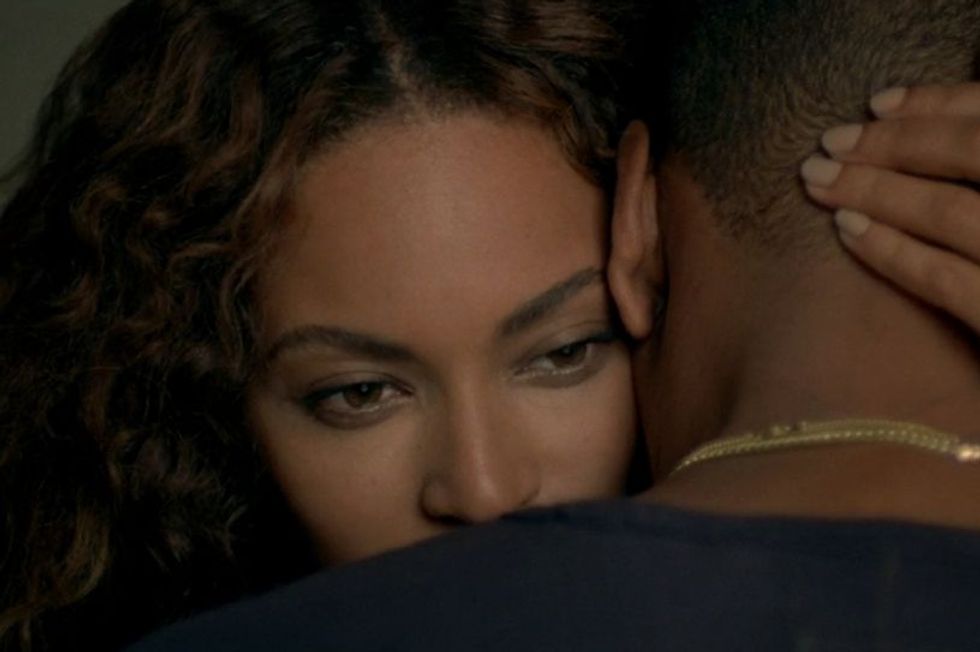
Of course, we as the public don’t know the full story, and when someone is in love and married, mistakes will happen and it is important to forgive. However, by making no commentary about how her seemingly endless forgiveness and love for him can become problematic and how his actions have no place in a relationship of mutual respect and equality, while tying it to female empowerment, is sending mixes messages to females. The portrayal of her unwavering love for him depicts her as dependent, and loving another with endless forgiveness can be a form of oppression since that person obtains power over another if they take advantage of that. Jay-Z’s absence in the majority of the video is striking in that we see no apology or empathy coming from him; we only see him at the end after she accepts what he did and resumes their relationship.
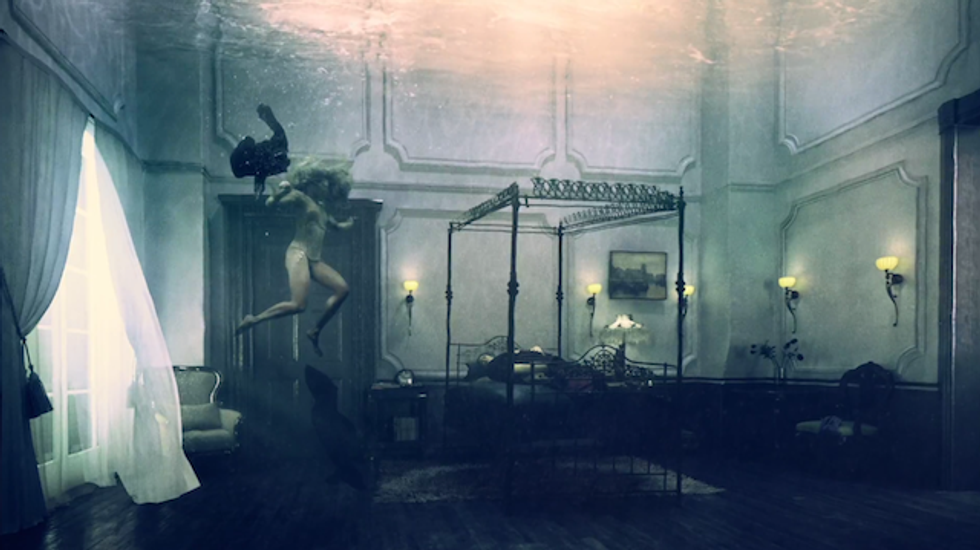
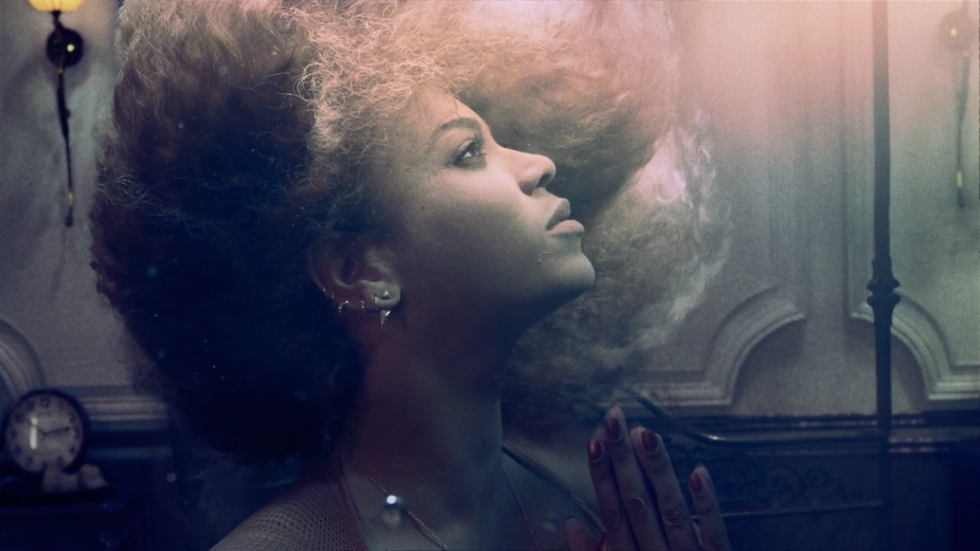
Regardless of how powerful, strong, and queenly she appears in the piece, placing the focus of this difficult journey through these stages on herself alone and then showing her returning to this man like nothing happened makes “Lemonade” partially glamorize the pain of infidelity and even toxic relationships; one’s emotions and powerful ultimatums are only worth as much as the actions that follow. With this album, of course, she has every right to express her pain and journey with a focus on herself and tell the complex narrative of the black woman in America in her own individual way. The piece itself was likely a needed catharsis after experiencing such pain, and it is done beautifully and honestly. However, the narrative leaves Jay-Z out of two-thirds of the more difficult emotional parts of the piece and journey, which could uphold traditional messages of women’s inequality, especially when jumping so quickly from anger to forgiveness. These traditional messages include the belief that it is the woman’s responsibility to love her man no matter what happens and that after his bad choices, it is a woman’s responsibility to go through the hardest parts of grieving alone and return to him without consequences or negative feelings, and seemingly, without any answers or apologies. All of these messages are the opposite of the clearly-intended female empowerment messages of the piece, yet they seem to coexist because although it is her emotional journey we're following. His apology and empathy are absent from the film audibly and visually.
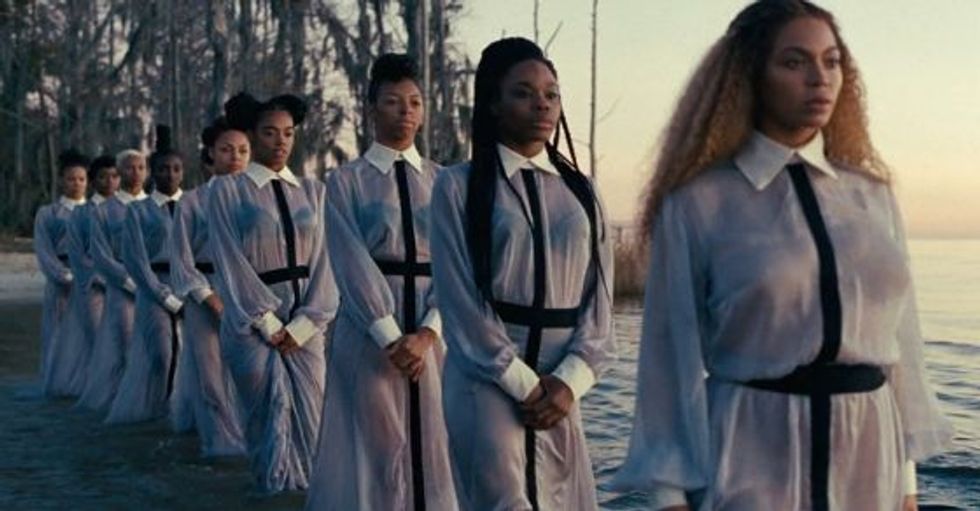
"Lemonade" is empowering and cathartic, and if the narrative had included more about the process of forgiveness and how it isn’t something to be given out automatically, even if in love and married, this piece could have said a lot more regarding making healthy choices in a relationship. This would have added an extra layer and commentary about female empowerment. By fast-tracking to forgiveness and acceptance rather than trekking through the mud and letting the viewer see the process and consequences that come from wrong actions before returning to a relationship, this piece unintentionally ties old-fashioned ideas of passive female behavior and gender inequality with strong empowerment themes and images. In this way, “Lemonade” simultaneously becomes an expression of modern black female empowerment and female oppression that is grounded in traditional beliefs. It is testament to an inequality so deeply rooted in our society that even while making an empowering piece, even Beyoncé, though still fighting and indisputably strong and resilient, can be observed as succumbing to emotionally-damaging patriarchal power and expectations in this feminist piece.
However, this criticism isn't to understate the success and achievements of this piece. Despite possible mixed messages and narrative overlooks, "Lemonade" is the artistic dose of healing and empowerment that is needed by many. It has not only raised the bar, but it has raised an awareness of the strength of women and women of color, and, for many people who face oppression and its many forms, it has revealed the potential for self-empowerment.

















