

You know what’s better than a $10 T-shirt? A $6 dollar T-shirt, right? I can hear my inner 13-year-old self giving a resounding, “Heck, yes!” The too-good-to-be-true mantra never crossed my mind because, to be honest, even if I knew then what I know now, I probably wouldn’t have changed. Cute clothes were too crucial to the life of an eighth grader.
Believe me, I completely understand the appeal, we have the opportunity to buy dirt cheap clothes that are extremely trendy. Also, I honestly felt like I was saving my parents a lot of money by wanting a shirt with a sale price. Now that I have officially exited the junior high-high school stage, I am able to see through the illusion of the “fast fashion” industry.
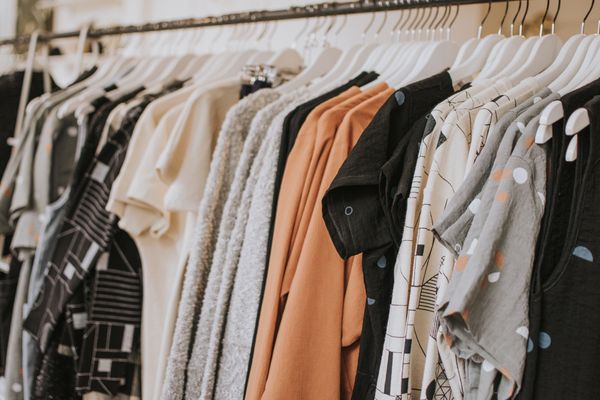
To clarify, fast fashion is the way clothing stores like H&M or Forever 21 sell incredibly trendy clothes for maybe one-eighth of what the piece on the runway sold for. The clothes will generally not last because the trends are short-lived and the fabric is very low quality anyway. Middle-class junior high girls across the nation won’t mind because they’ll move on to the next thing without feeling the guilt of breaking the bank. So that’s the first problem: waste. Where do those clothes go? Sure, you might think that they’re still taking up space in your closet, but they’ll have to go sometime. There are two options: the dump or the thrift store. If you’ve ever walked into a thrift store, you’ll know that they are never hurting for donations. Maybe this sounds like a good thing, and to some extent it is, but it is just a clear picture of the “gluttonesque” American culture of over-consumption.
The even harsher reality lies steps before the blouse and jeans arrives at your doorstep. Alright, chances are if you are a millennial, you’ve probably never had but one or two articles of clothing made in the U.S. Check your tag right now. It’s probably from places like China, Bangladesh or Cambodia. Digging into the context of social life in these countries, we can see that they are not protected under the same kind of labor laws that Americans and other first world countries have and their minimum wage may not even be half of what ours is.
So, like many things, this ultimately comes down to the issue of money. The simplest way for a clothing company to make more money is to hike up prices. We all know the thrifty yet fashion-forward teen begging Mom for a new outfit can’t get an allowance of more than $20. Since that won’t jive with the demographic, the alternate way to save is to cut production costs. So, what is involved in producing clothes? Most importantly, man-power. Considering the fact that a company can get away with paying a worker in Bangladesh roughly $3 dollars a day for what you’d have to pay $60 dollars for in a state like Pennsylvania, it’s a no-brainer that they choose to employ the cheaper laborer because it means more money in their pockets. A day working in the textile industry is not filled with rainbows and smiles for these folks. They are horrifically underpaid and usually have less strict rules and regulations about manufacturing. Imagine the factory conditions you learned about the Industrial Revolution...yep, similar stuff. And you know why a company like Forever 21 does this? It’s because of you and me. It’s because we lust over cheap prices and cute shoes.
So what can we do?
1.Spend more on less.
Did I need eight v-neck American Eagle T-shirts in seventh grade? The answer is no, no I did not. Stretch your buck by finding only a few pieces of well-made clothing in classic styles.
2.Buy American-made when you can.
This isn’t just dodging the corruption of the fast fashion industry, you’ll also be supporting the local economy.
3. Go thrifting.
I don’t trust people that won’t step into a thrift store. It’s the most fun, diamond in the rough experience and you won’t be looking like anyone else.
4.Buy Fair Trade clothing.
Companies are held to certain standards which help communities socially, economically and environmentally.
5.Save your money.
Disciplining yourself to understand what your actual needs are versus what you are choosing to buy on a whim helps you to develop good money habits for the future.
Step forth and make the change, because your clothes cost much more than what you see missing from your bank account.