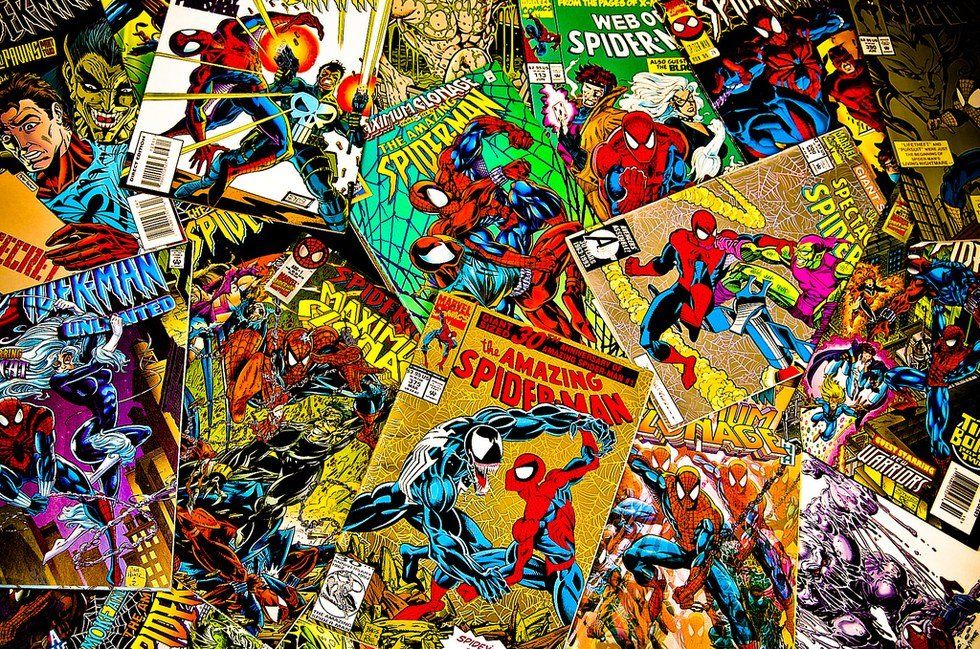
When I was growing up, I though comic books were silly. First off, I thought they were books for boys; and even when I was in high school, I figured comics were the equivalent of grown-up picture books. Snottily, I determined that I was above comics and would only read classics and refined literature. In all cases, I could not have been more wrong.
Not only are superheroes a reminder of the good in the world, and not only do they provide young adults (or older adults) with role models who aren’t necessarily perfect, but comic books deal with real life issues in an entertaining, artistic, and meaningful way.
Peter Parker and Matt Murdock are the kinds of people I would want as friends, and that I would want my future children to have as role models. They aren’t just for boys, either. Both story lines have empowering women characters like the Night Nurse (Claire Temple in the Netflix show) or Gwen Stacy. Not only that, but in Marvel’s “Color Series”, both Daredevil and Peter Parker open up to the reader, and reveal emotional truths that our society seems to think of as weaknesses. In both stories, the title characters are speaking to lost loves, and Marvel showing off an emotional, “feminine” reaction in two superheroes is refreshing.
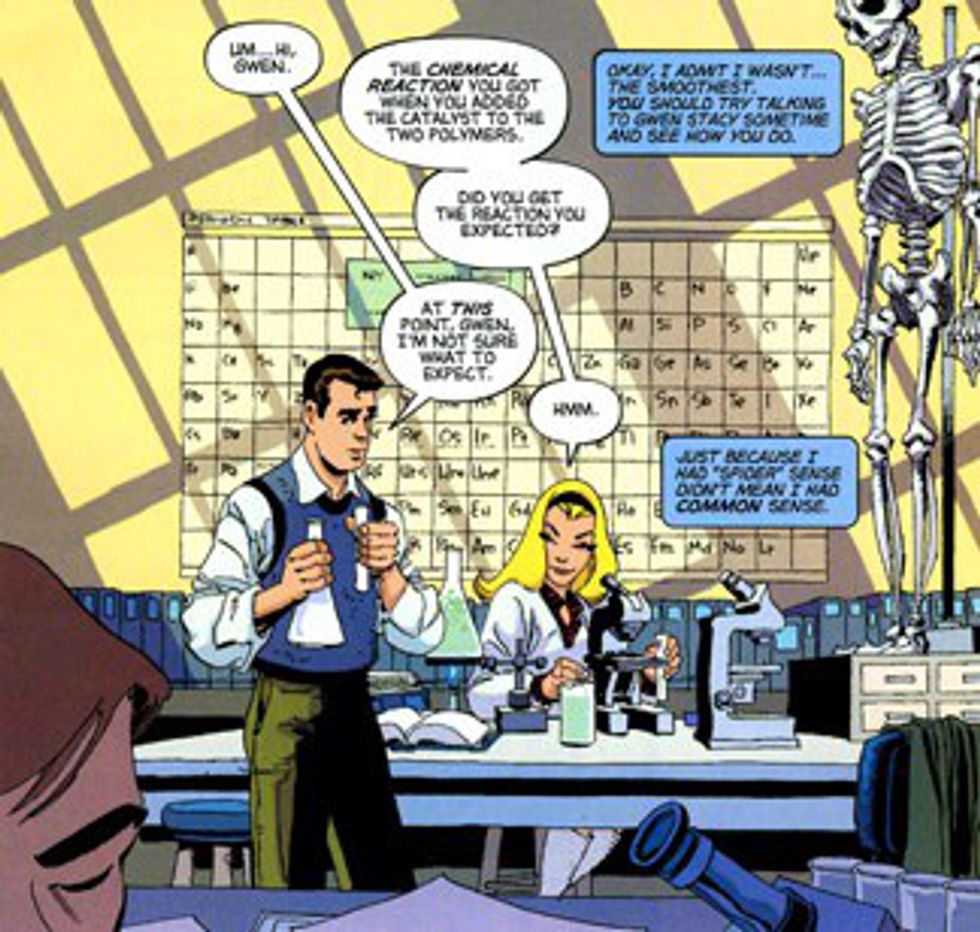
Now, I understand. Comics are, in fact, picture books. Tim Sale’s illustrations, however, are art. Many comic book artists are just that--artists! The artwork in the panels bring the words you are reading to life while simultaneously letting the reader imagine some moments in their own head.
Seeing the characters in 2D in a book form forces readers to bring them more to life with an individual voice; it forces readers to be a part of the story writing process and to use their own imagination. The artwork is beautiful and emotionally provoking.
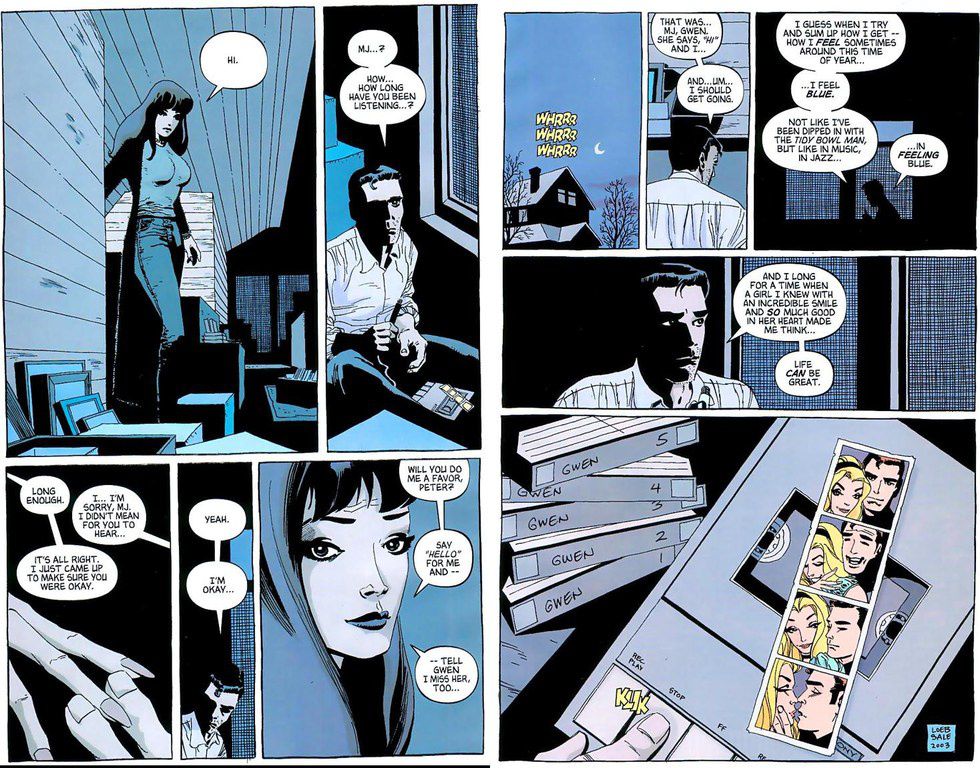
The artwork and the reader’s imagination may bring the story to life, but the main reason I have found importance in comic books is because of their subject matter. They deal with reality, even when the books themselves are set in an alternate universe. In "Spiderman Blue" by Jeph Loeb and Tim Sale, Peter Parker records a message to an old friend, who we later find out (Spoiler!) is the deceased ex-love of his life, Gwen Stacy.
Peter goes through deep depression, which we see represented by the breaks in prose, the verbal pauses in the writing, and the darkness in color of the artwork. Readers can feel the loss along with Peter as they consider what his life would have been like if the happy flashbacks had continued into his present.
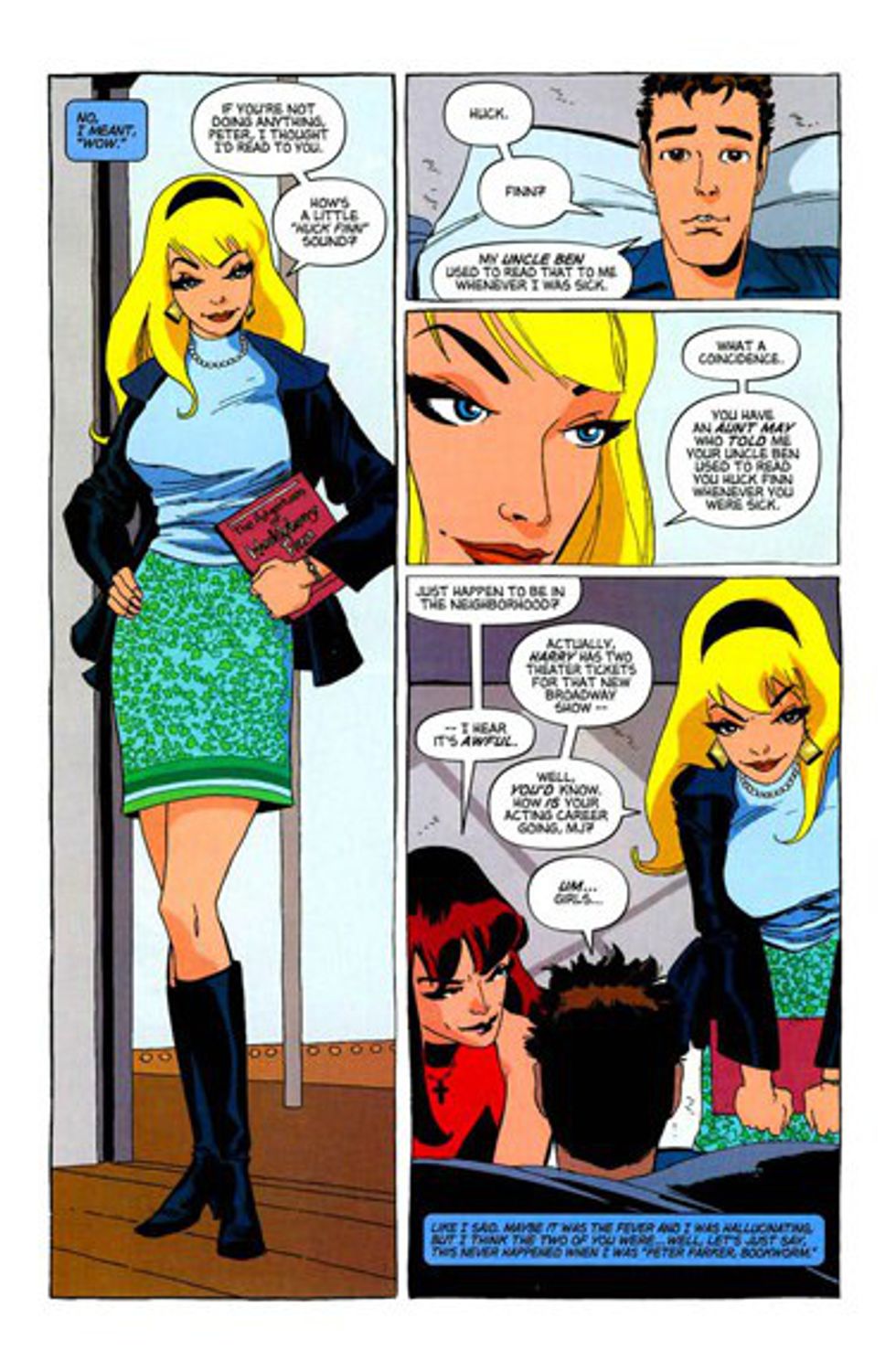
Peter Parker is a role model. Yes, he is a superhero who shoots web out of his wrists and can cling to walls. Yes, he has moments of “evilness.” And yes, he occasionally deals with bouts of depression--but these are the traits that make Peter Parker “real”.
He has super-human abilities, which makes people instantly characterize his story as fiction, but his slips into cruelty. The serious sadness that takes over his life throughout the comic’s life are moments that prove that his actions are important. Even though he is fictional, readers can learn nonfictional truths.
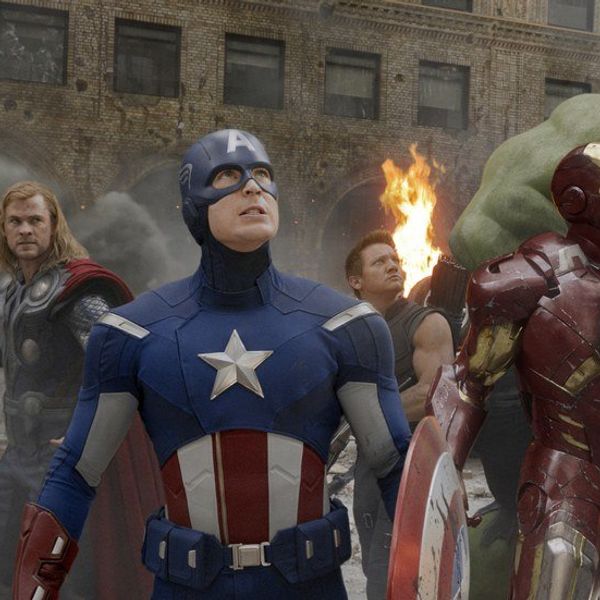
The film versions do not do Peter Parker, Matt Murdock, or Clark Kent justice. It is the reader who breathes life into comic book characters, it is the reader whose day these superheroes save through their crime-fighting actions. Some people might consider them adult picture books, but their subject matter deals with real events, and gives us real people from which we can learn. Every once in a while, I realize that I probably learned much more important life lessons from comic books than I did from any literary classic.