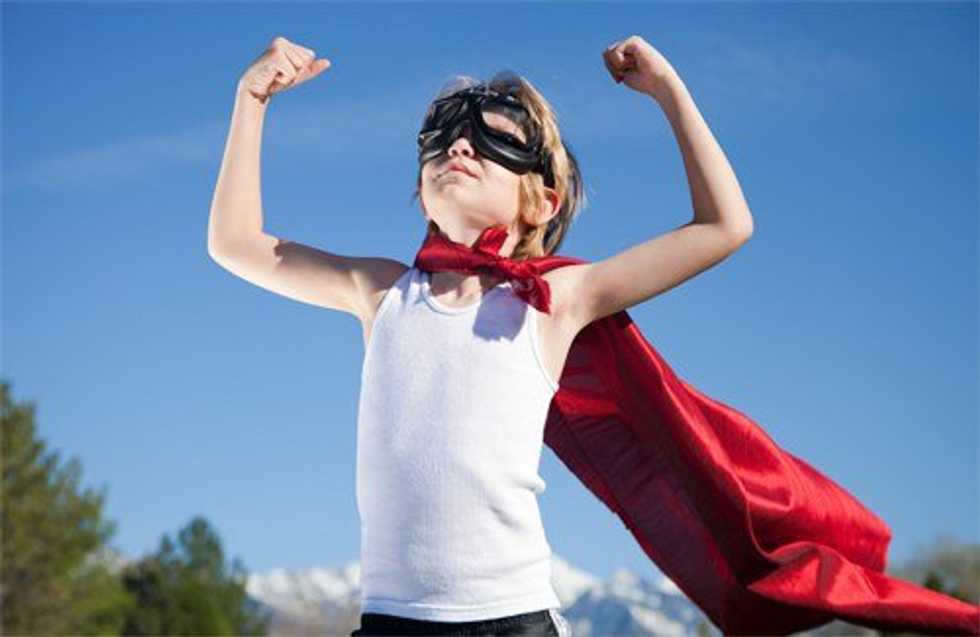
Iron Man, Odysseus, Katniss Everdeen, Batman, and Harry Potter. These are some of the names that come to mind when someone thinks of a hero. Heroes are often considered the main characters of novels and the man who saves the damsel in distress. But what is a hero? Or are heroes people who do extraordinary acts of courage, or are they found surrounding us every day? Heroism may not be as easy to define as some would think.
Literature would have us believe that heroes are people who are courageous and act out, basically the main character of the novel. J.M. Coetzee once said to his friend Paul, “Become major, Paul. Live like a hero. That's what the classics teach us. Be a main character. Otherwise, what is life for?” I would argue that Coetzee is wrong. Supporting roles are just as important as the main character because where would the hero of the novel be without his heroic supporting characters? And isn’t everyone really the main character of his or her own story? Heroes are all around us, and they may not seem like the most remarkable people, but they are. They push themselves to their limits to make their small fragment of the world a better place.
As well as not being the main character, heroes prefer a supporting role. Arthur Ashe, a professional tennis player, once said, “True heroism is remarkably sober, very undramatic. It is not the urge to surpass all others at whatever cost, but the urge to serve others at whatever cost.” True heroes don’t ask for glory, and they may not even realize they are heroic. They don’t try to rise above others but rather lower themselves so that others may succeed. Heroism doesn’t entail huge acts of bravery, but rather acts of kindness that could possibly have the potential to save someone’s life.
Heroes are not perfect. How many times in a piece of literature has a hero suffered a tragic fall? They are flawed human beings, but they have the ability to rise above seemingly impossible circumstances and make the most out of the situation. Heroic individuals may not always do what is right, but they have the right intentions.
Some popular examples of heroism are firemen and policemen. They risk their lives daily to keep the rest of us safe. While these brave men and women are heroes, it’s important to remember, especially in today’s society, that a person having a badge does not automatically make them heroic. It is the hearts of the people inside the uniforms that sets them apart from all others. Acts of bravery are certainly heroic, but only if they are completed with the right mindset.
Acts of heroism are found around every corner. Mothers and fathers who are willing to give up everything for their child are heroes. Teachers who sacrifice daily so that their students might have more opportunities are heroes. The child who gives his lunch to the homeless man on the corner is a hero.
The most heroic person in my life is someone who has sacrificed countless things for my family, served us in every way possible, and pushed herself to her limits. My mother is my own personal hero. She never asks for credit for the acts of kindness she does for others. My mother is strong for people when they are unable to be for themselves. She doesn’t have super strength, can’t fly, and can’t shoot a bow and arrow, but my mom is a hero to me.
To define a hero is difficult as many people do different acts that could be described as heroic. Heroes surround us daily and are found in the most surprising of places. If people look around, they might find the Clark Kents instead of the Supermans.