
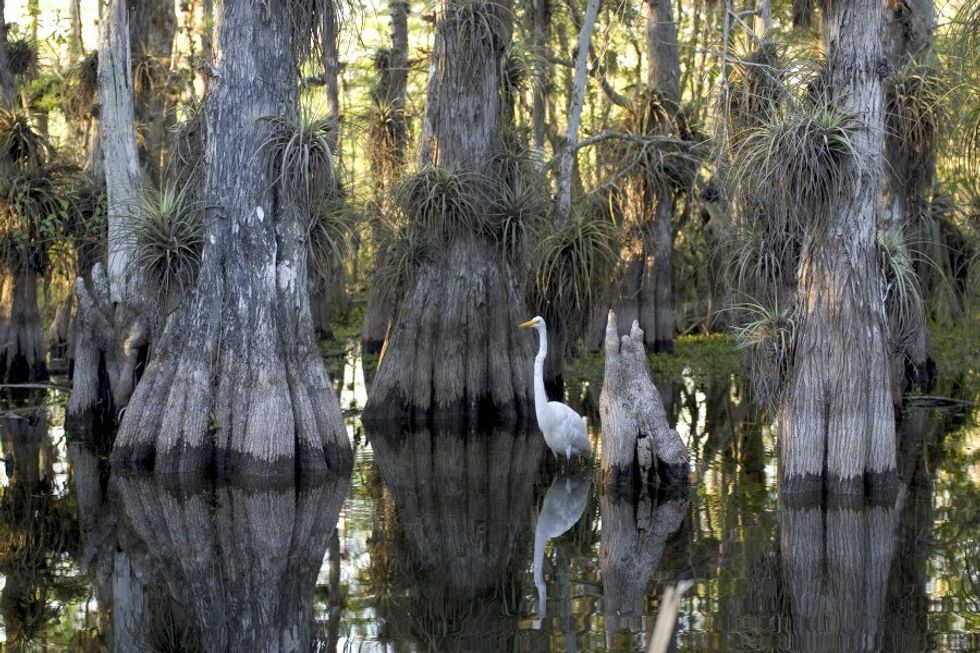
Behind the scenes of Everglades National Park spreads a plague that is slowly suffocating the life out of this the park and its residents, invasive species. Like the Everglades didn't have enough to deal with global warming and pollution, now we have been sprinkling in a few new invasive species here and there into the mix decade after decade to make things worse. Not only do these alien creatures kill our native species, they also cost the state millions of dollars in damages every year. These are some of the Everglades' most dangerous invaders.
1. Giant African Land Snail
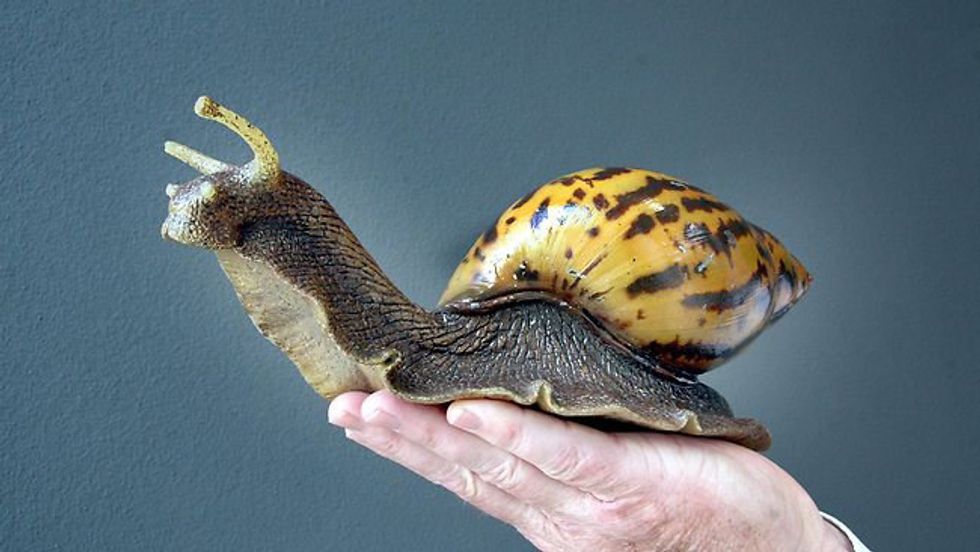
Caution. These slow but dangerous snails do more damage than you think. These suckers have been able to devour more than 500 native plant species and lay over 200 eggs per year. Their shells are no joke either. They're hard enough to puncture tires. Not only that, these slimy pests can grow more than a foot long and weigh more than a pound!
2. Cuban Treefrog

Jumping into the list is the Cuban Treefrog. These invaders crossed over from the island by hitching a ride on cargo boats in the 1920s and have been making themselves feel right at home ever since. These amphibians are known to eat at least five native frog species and native insects. They also seem to have grown a taste for native frog eggs. Due to their size and curious personalities, these frogs have a tendency to stray into unusual areas, such as toilets and sink drains, clogging homes in South Florida. There have even been reports of these frogs causing pricey power outages by short-circuiting utility switches.
3. Melaleuca Tree
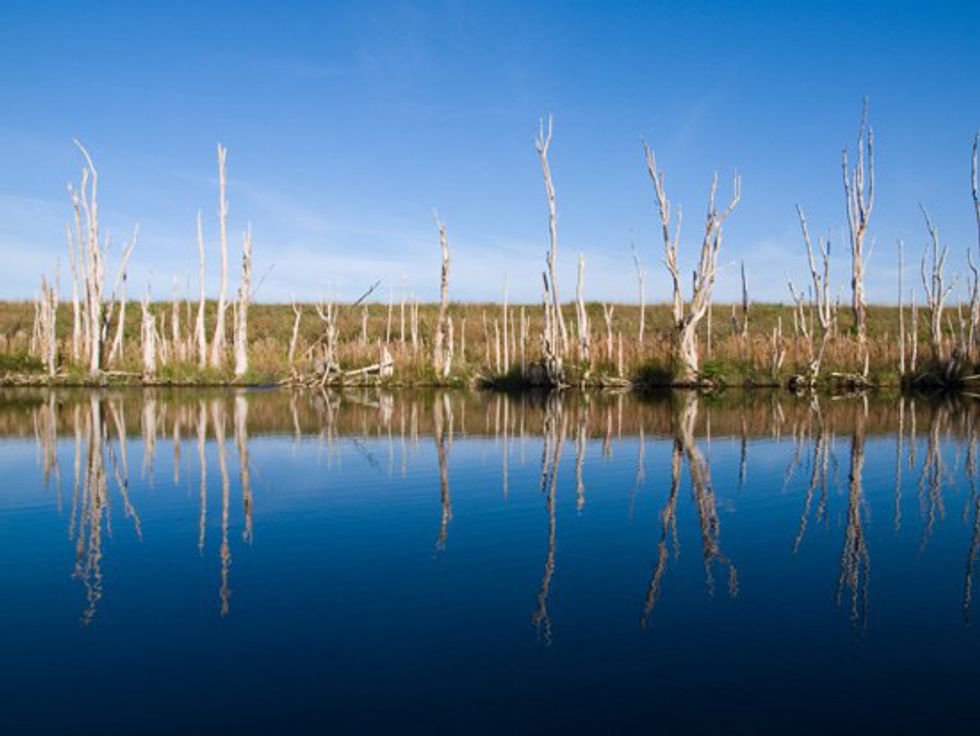
You may be asking yourself how these tall, dry, twig looking trees can be causing any harm to the Everglades? Well, don't judge a book by its cover. These trees were brought to the area in the early 1900s from Australia to drain flooded areas. They grow taller and in dense numbers in the Everglades than they did in Australia, preventing birds with large wingspans to fly in between the trees. Due to their large numbers, the tree species are also competing against smaller native plant species for sunlight, suffocating them in forest like areas. In addition, these species are tolerant to fire and floods. Forest fires tend to only burn off the outer bark and leaves (as seen in the picture above) and one tree is capable of producing 20 million seeds a year!
4. Nile Monitor
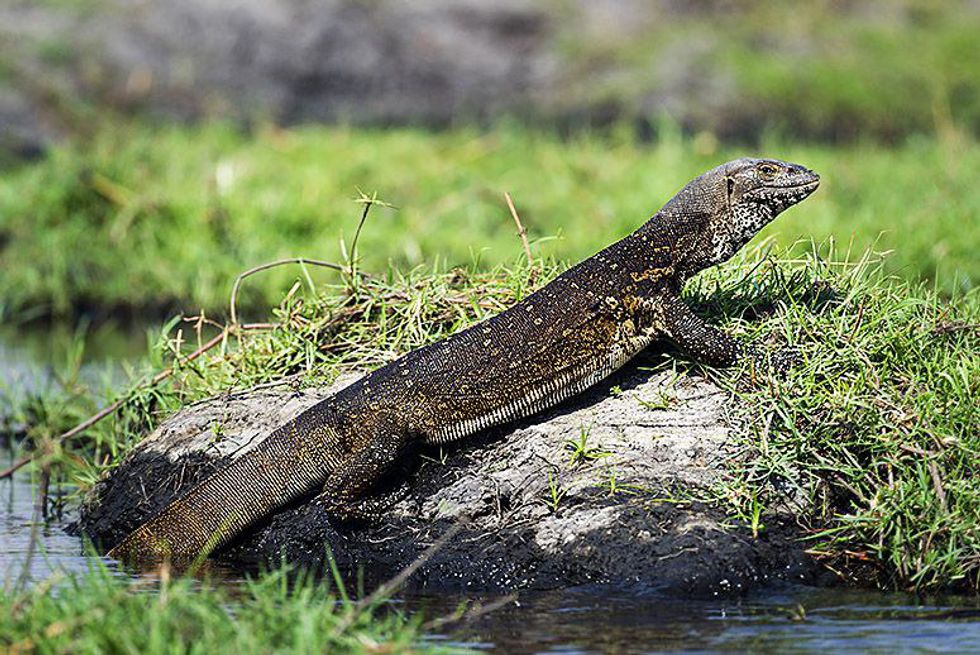
Introduced to Florida in the 1990s, the Nile Monitor has become an absolute nuisance to the national park. Growing anywhere from three to seven feet long, this reptile has a particular appetite for eggs. The hunger poses a danger not only to native bird species, but also to ground burrowing animals such as gopher tortoises, owls and sea turtles. The monitors have also adapted quite well to eating native species like brown pelicans, American crocodiles, alligators and raccoons.
5. Burmese Python
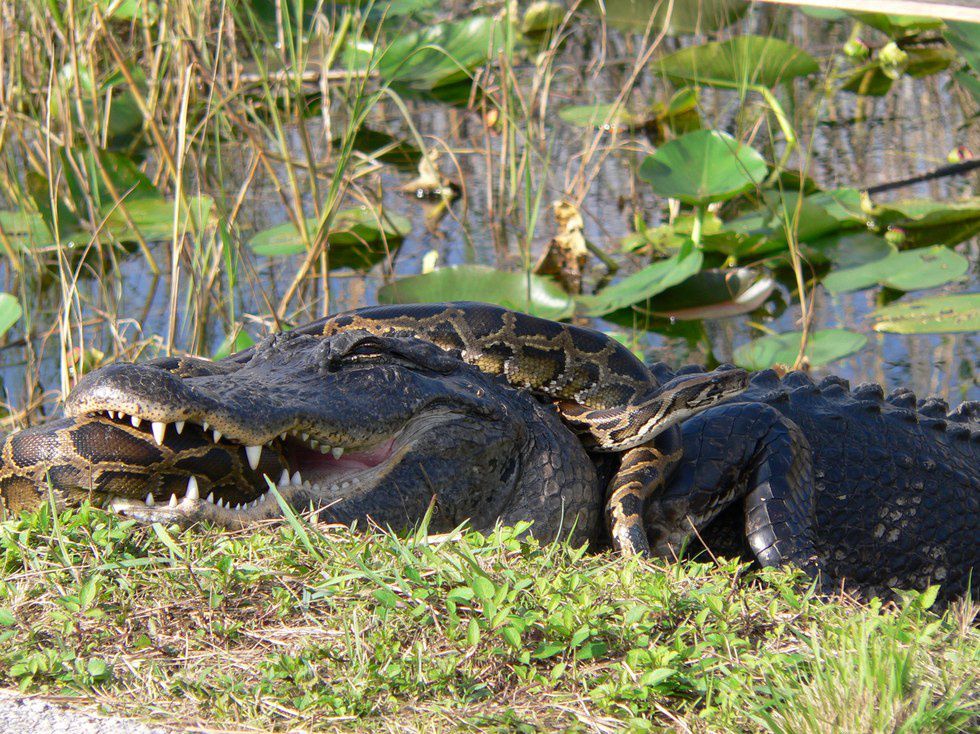
Slithering its way as the most dangerous invasive species in the Everglades is none other than the Burmese Python. This snake is notorious for devouring anything that it can fit into its mouth: deer, possums, rabbits, frogs, dogs and an occasional alligator. The majority of these reptiles were released into the wild by pet owners who couldn't take care of the snakes after they reached a certain size or because they were too difficult to take care of. Growing up to 18 feet in length, the Burmese Python as one of the Everglades' top predators. It has been reported that the snakes prey on 39 endangered species and 41 rare species.