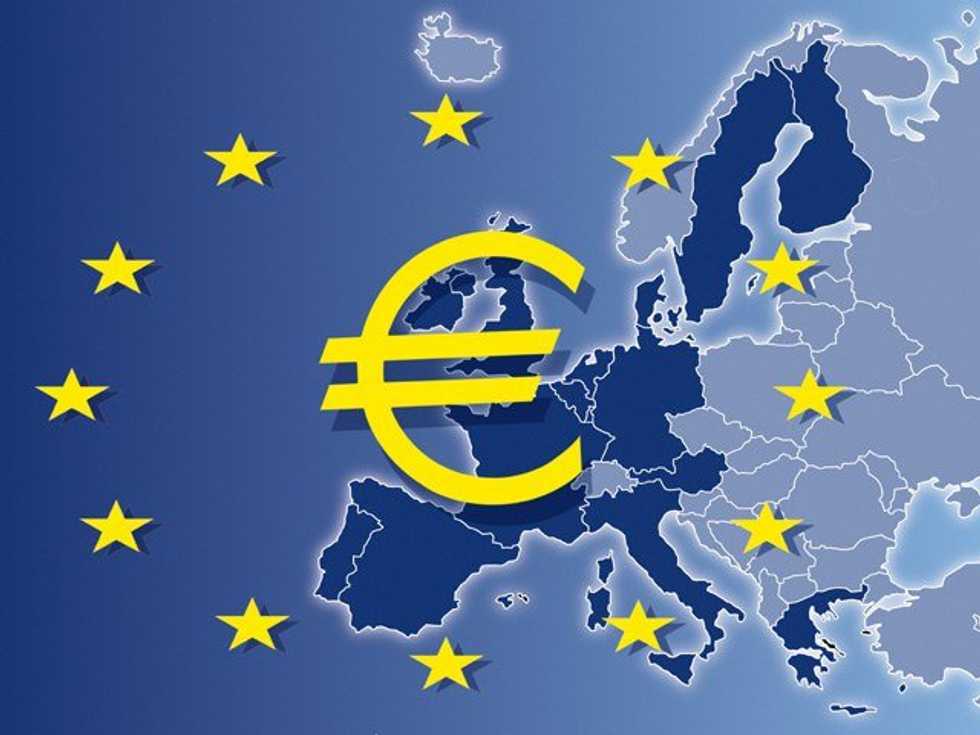
What with the recent political escapades of the 2016 election, the U.S. has turned a blind eye to the major crises building overseas. The biggest instance of foreign conflict isn't in the Middle East, it's in Europe. The entirety of the Eurozone is facing a huge economic collapse and the only way to kick-start several major economies is to engage in risky practices that expose much more risk to these countries' financial systems. And if one believes that risky practices overseas aren't of major concern, one should look back at our own recent financial meltdown.
According to BBC's recent news report, the countries within the Eurozone are all facing financial recessions and horrible deflation along with a stagnation of wages. This bodes ill for the recovering economies amidst a global recession (caused by the financial meltdown of 2008). As such, the European countries have been engaging in quantitative easing and the most recent articles state that Italy's government will now start pumping in 80 billion euros a month for the next year in order to jump-start the economy. This bodes well for the U.S. in the short term, but could potentially lead to horrid disasters in the long-term (as all financial crises tend to illustrate). The value of the euro will depreciate significantly, thereby appreciating the value of the dollar—which leads to both better and worse situations for the United States. As a country, goods become cheaper overseas, and we can therefore import more. However, our exports suffer significantly which can, in turn, hurt our own economy if what is produced in excess is not consumed overseas.
However, the biggest nail in the coffin lies in the banks. Our financial meltdown was essentially due to decades of deregulation of the banking system and allowing them to be exposed to higher risk with less leverage to promote economic growth. The same situation is happening in the countries within the Eurozone, specifically with the ECB and the regional banks. The regulations have been eased to allow banks to buy large amounts of debt and take loans out at a negative interest rate, a phenomenon that has only been recently introduced. Banks are allowed to take on much more risk with significantly less leverage to support these risks. If even the smallest anomaly occurs in the financial system (in the case of the U.S., it was the introduction of sub-prime mortgages), the entire European economic system will collapse and will result in a collapse of the entire global market due to the bracketed nature of the world economy. The world will sink into a depression collectively because of past mistakes.