By now, I hope that you've seen recently the manatee has been taking off the endangered species list. This was an amazing accomplishment for wildlife conservation and a great start to the year of 2016. But personally I believe that this year we can accomplish so much more when it comes to animal conservation and the preservation of their habitat. Here are five amazing creatures that desperately need help this year and in years to come:
5. Black Rhino - Population: Around 5,000
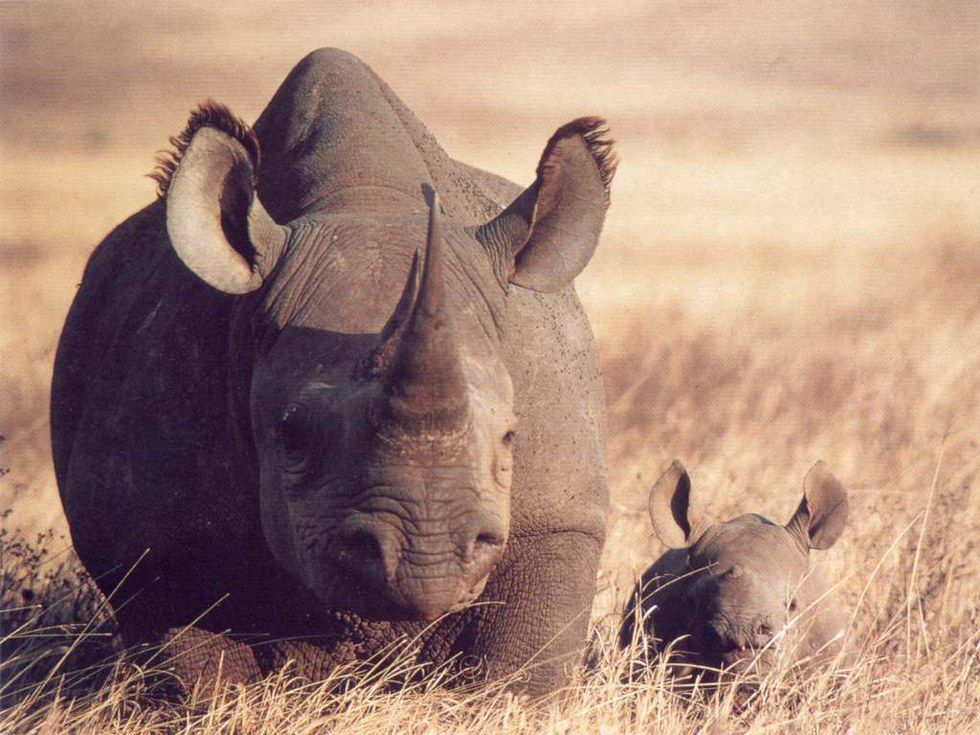
We hear a lot about Black Rhinos in the media, and we’re just started to hear about White Rhinos because they are near being on the endangered species list. But what a lot of people don’t know is that rhinos are an important part of Earth’s history. According to WWF, Rhinos are one of the oldest groups of mammals. Currently, their biggest threat is the demand for their larger horn, which has been said to have medicinal uses. Rhino numbers are slowly increasing due to the breeding and re-releasing done in captivity. But despite conservation efforts, in 2014 alone 1,215 rhinos were killed in South Africa. This is a 21 percent increase from 2013. Hopefully, when the statistics from 2015 are calculated, that number will have declined.
4. Leatherback Sea Turtle - Population: Unknown
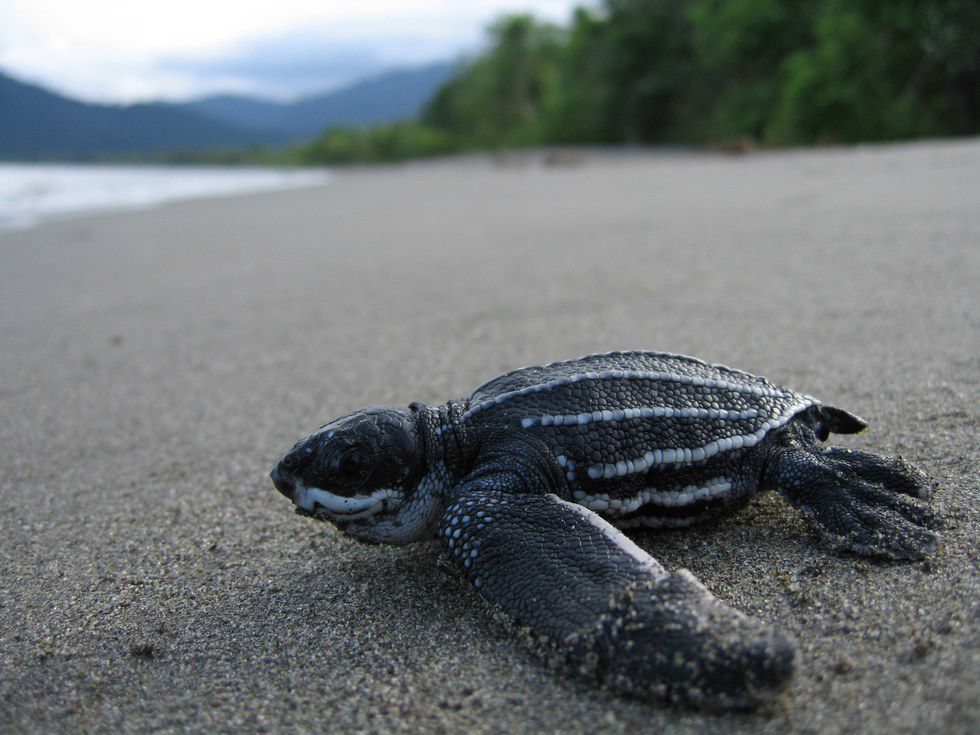
As well as being the largest breed of turtle, the Leatherback turtle has existed on Earth for 100 million years. They are a huge part of the marine ecosystem. Their main threat is fisheries by-catch, which is when fishermen catch turtles in their nets and since the turtles cannot reach the surface to breathe, they drown. The other large threat to their survival is the fact that the sea level is rising. This has a negative effect on the turtle population because they use beaches to lay their eggs, and as the sea level increases, the size of beaches decreases. Activity on these beaches caused by people can disrupt or destroy their nests. The WWF is currently making efforts to increase the population of the Leatherback turtle by working with fisheries to begin using a “circle” hook which is turtle friendly. They also have been using non-harming tracking devices on turtles to track their migratory patterns and decrease the deaths caused with by-catch.
3. Saola - Population: Unknown
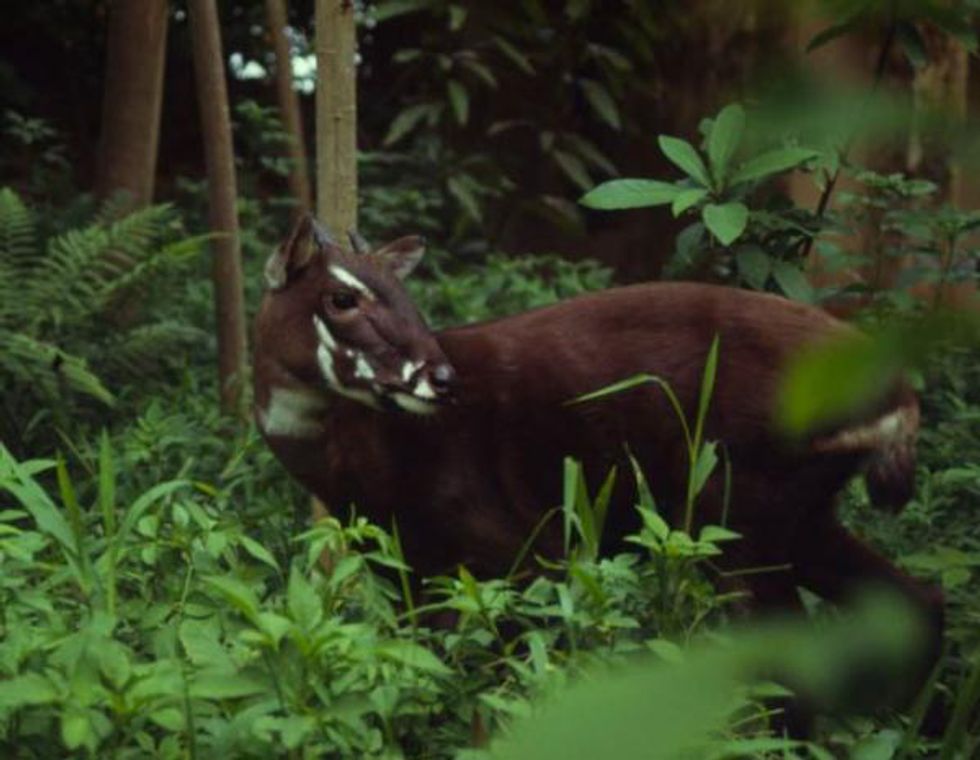
The Saola, nicknamed the Asian unicorn, is a mammal only very recently discovered in 1992. Currently, there is not much information on the population size since this animal has only really been scientifically documented a handful of times. WWF estimates the population is around a few hundred to a few dozen. This rare creature is found in the evergreen forests of Vietnam. Fortunately for this little animal, its rarity makes is a high priority for conservation. It is mainly threatened by habitat loss.
2. Amur Leopard - Population: Around 60
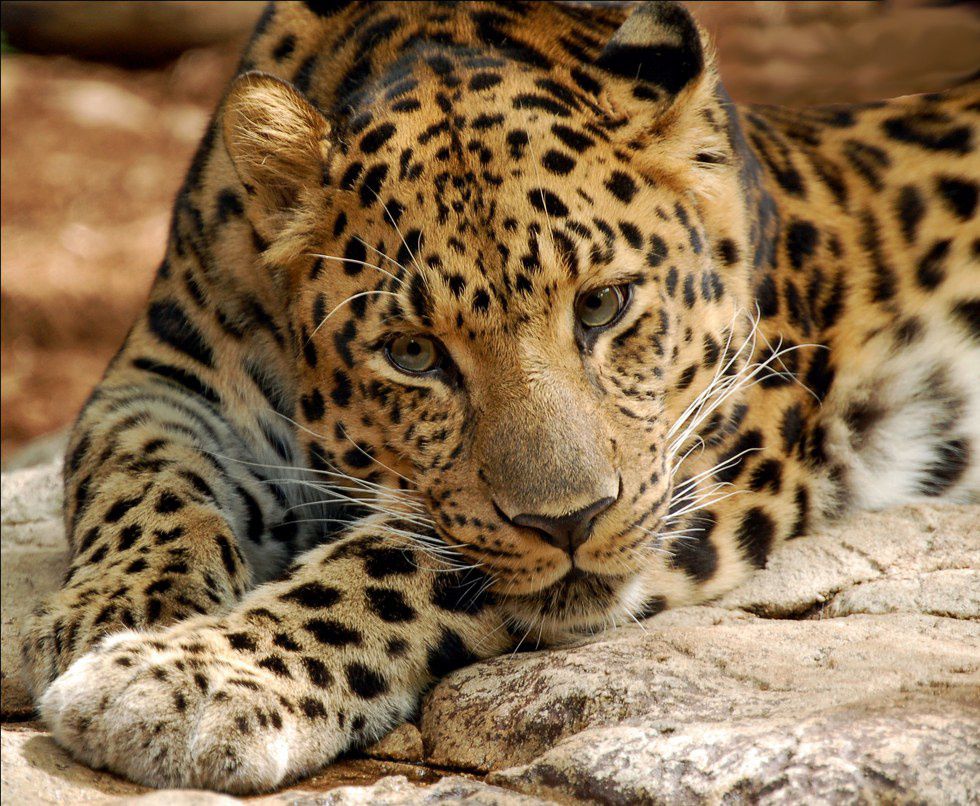
These are beautiful big cats that are sadly, currently, critically endangered, with only 60 or so individuals alive today. This leopard is not at all like the leopards that live in Africa. This rare breed lives in the far east of Russia. They have been previously hunted for their spotted fur, their coats being sold for up to $1,000. Their lifespan is only 10-15 years and living in captivity has said to only increase their life span up to five years. But there is hope for this species, the population has doubled since 2007 and hopefully the breed will continue to increase in numbers.
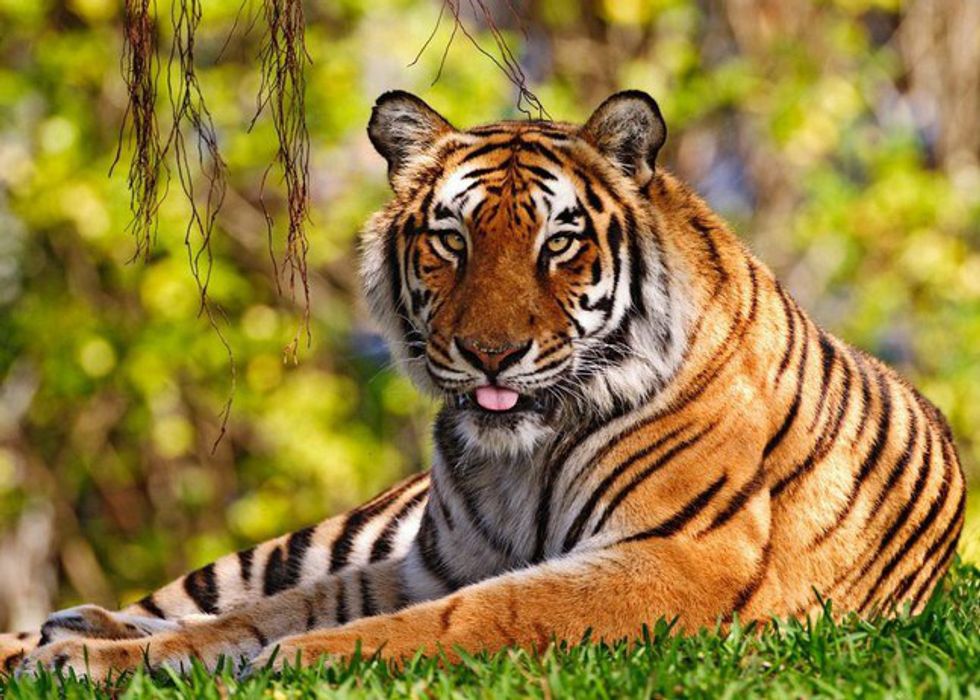
1. South China Tiger - Population: Extinct
Click here to donate to the WWF to help conservation efforts.
Click here to adopt one of your favorite endangered animals.
*All information and research conducted through worldwildlife.org's endangered species list.