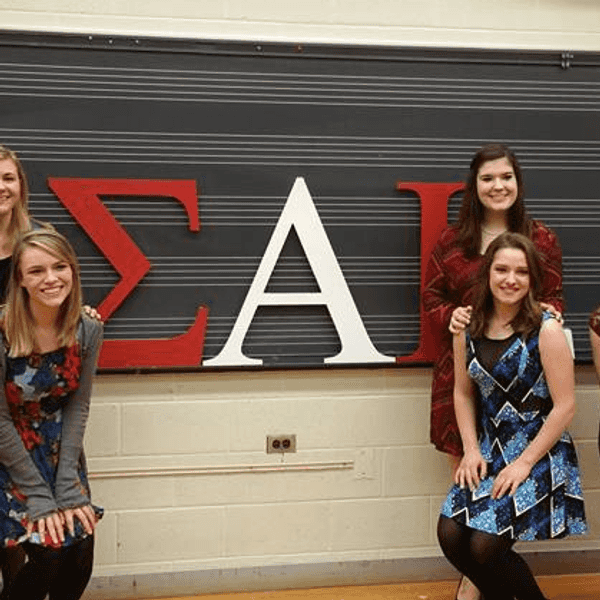
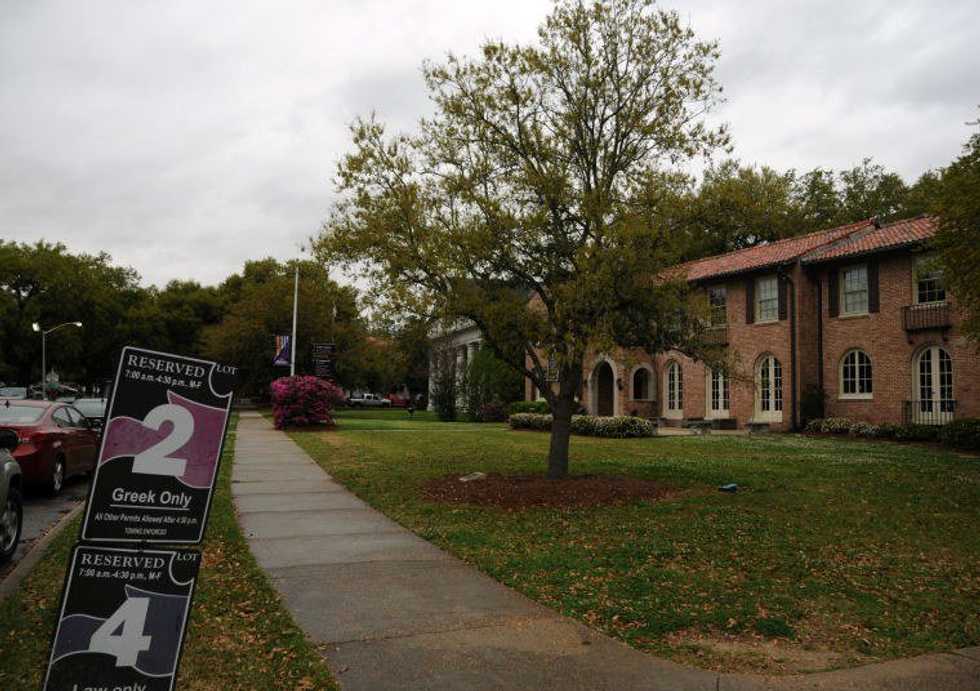
When it comes to tradition, nobody has perfected the art quite like LSU has. We boast a campus that has seen World Wars, a football team that has played since the late 19th century, and a Greek life system that predates the days that most of our grandparents were enrolled here. A culture with football and food at the center of orbit has become easy to love as a product of years of perfecting the art of tradition.
Tradition holds value in our lives more than we acknowledge. The courses we take to pursue a career are fine-tuned from the years of the students preceding. Our degrees themselves hold water only because of how the alumni before us have performed in the real world. More relevant than any other, our Greek organizations are lined with history, norms, and traditions that have eventually trickled down into our hands to determine the present and future identity of.
Many of us belong to sororities and fraternities that are half of a century beyond their founding date. Instead of having the advantage of meeting the founding brothers and sisters who created the vision of the chapter, we live solely through the tenants passed down by word-of-mouth, which often can end up like a lengthy, distorted game of “Telephone.”
We stand at a pivotal crossroad between tradition and innovation - tradition being the hand that feeds, and innovation being the hand that promises to feed for the years long after tradition runs dry. The traditional patriarchs of Greek life will be here for many more decades, but have to be conscious and inclusive of a movement that is happening during our stay on campus. There are at least three sororities and three fraternities interested in joining LSU’s campus over the upcoming years. This would represent an unprecedented influx of new members and faces in the Greek system, and it may be surprisingly beneficial to the existing chapters that compete in recruiting members from the same pool.
“Competition is a rude yet effective motivation.” –Toba Beta, novelist
Not only does competition inspire motivation, I have always considered it as a test of dedication and strength. New houses will serve as a reminder to find solidarity in our own organizations, and to embrace what we have to offer individually while allowing these up and coming chapters to fill the voids and maximize what Greeks have to offer as a whole to this campus.
What does this mean to your chapter? For the most established groups on campus, regaining touch with the focus and goals of the organization can be as simple as exemplifying the Creed and following the motto that your brotherhood or sisterhood has been housed by since its inception. If you’re in the minority of those looking to take their newly established chapter to higher places, such as I am, move forward with the confidence that an open-playing field exists for anyone looking to make strides towards the improvement of Greek society as a whole.