To make a television series relatable to an audience there tends to be a coverage of holidays or special events that the general public goes through. Many great television series have chosen to cover what an Election Day is like and some have shared some great views on issues the public currently has with the political system. We will delve into these the pessimistic and the optimistic views that different types of series shared on these issues and see if they really relate to politics today.
1. Cheers
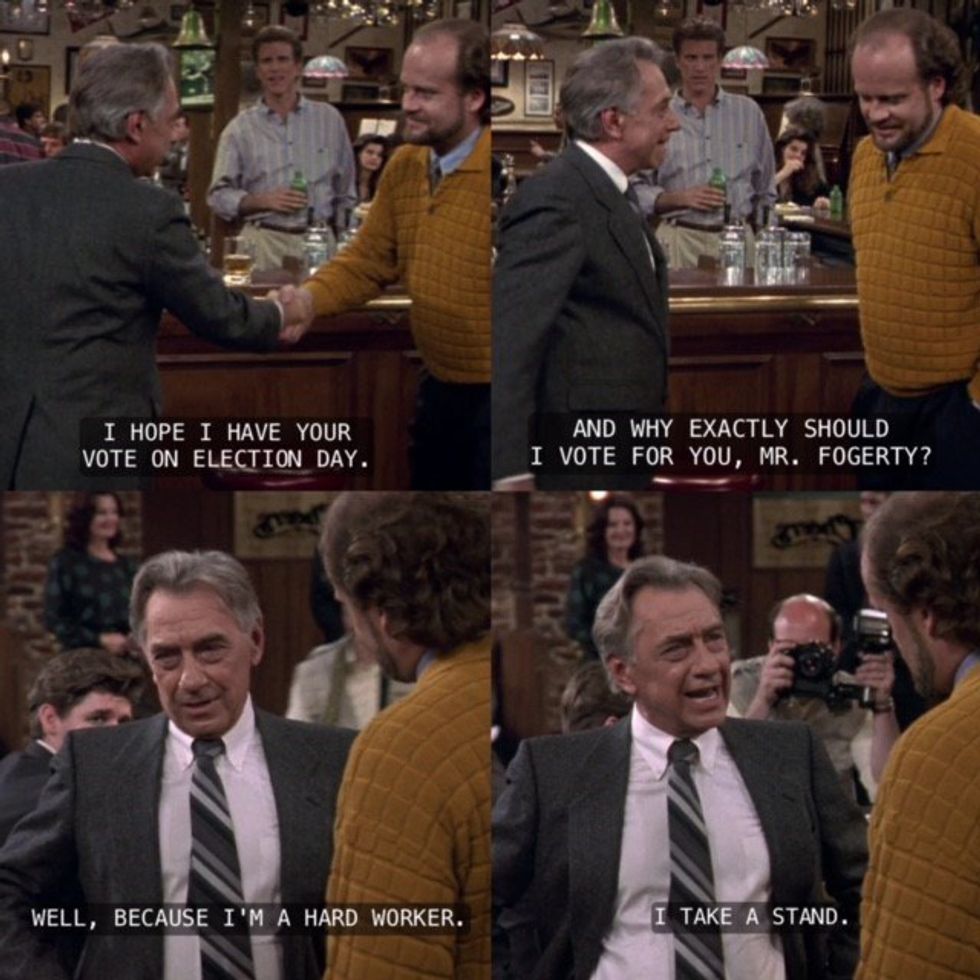
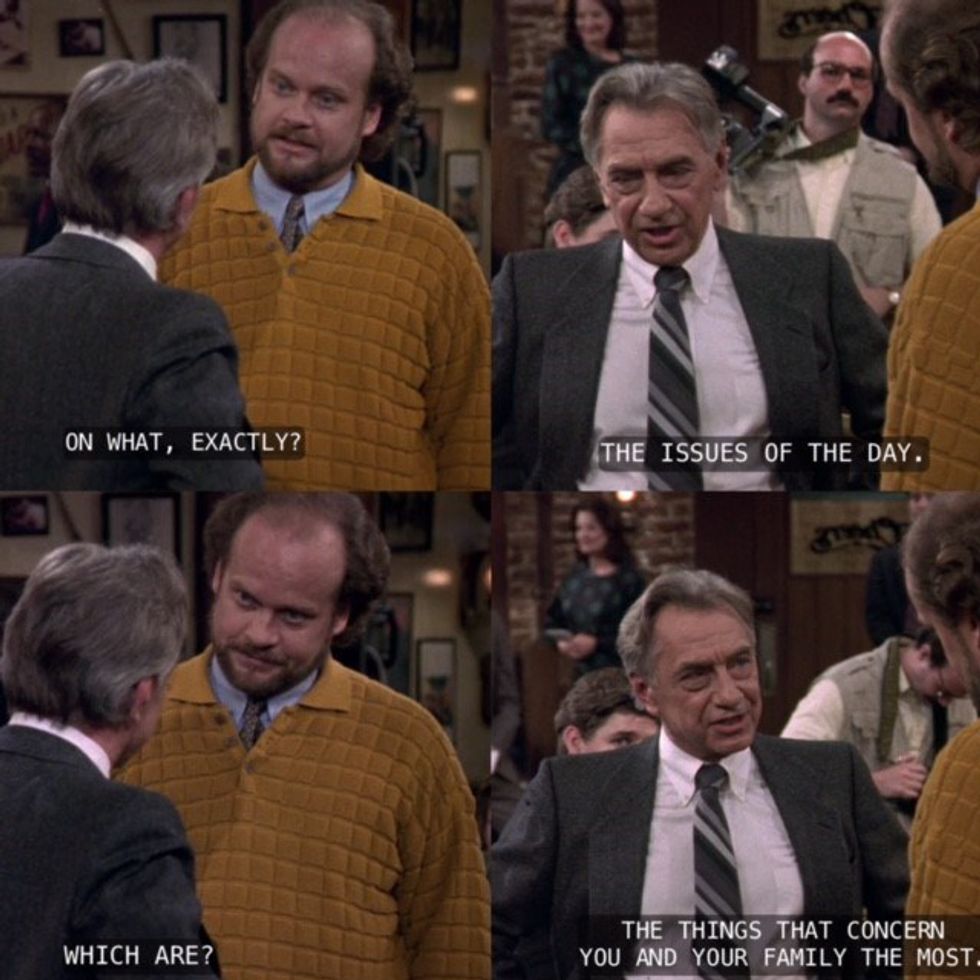
This clever 80's sitcom about a group of unlikely friends going through life at Sam Malone's bar is responsible for launching Woody Harrelson into fame as the naive Woody Boyd who told tales of his small town Hanover, Indiana. The series itself doesn't always deliver insightful political thoughts, but an episode that is charged with them is "Woody Gets an Election" which premiered during the final season of Cheers. The episode starts off City Councilman is introduced while he is visiting small businesses for his campaign. Frasier Crane tries to prove that anyone can win an election by making broad statements and never really answering a question. What comes of this is a hilarious sequence of events which leads to Frasier becoming Wood Boyd's campaign manager while he tries to fool everyone into voting for simpleton by only having him tell stories of his farm life and keeping his answers as simple as possible. This episode gives a hilarious take on our thoughts of politicians never giving a straight-forward or concrete answer.
2. House of Cards
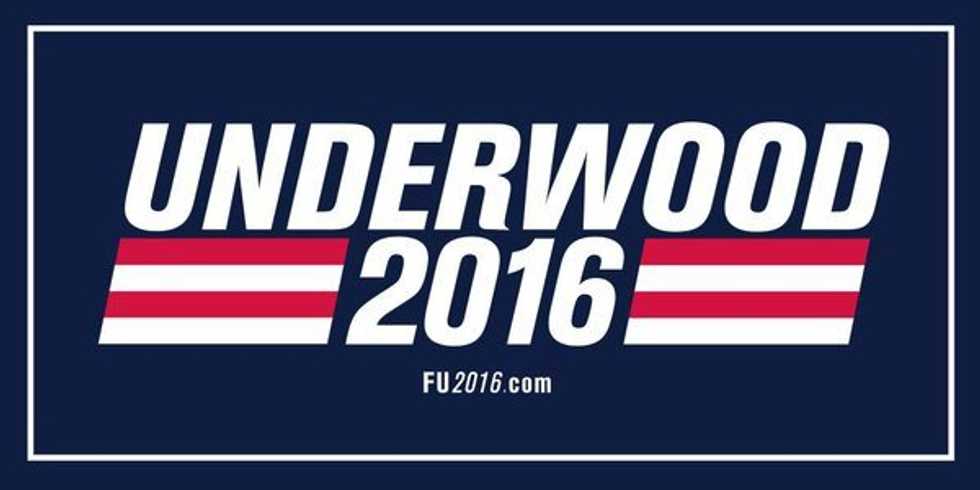
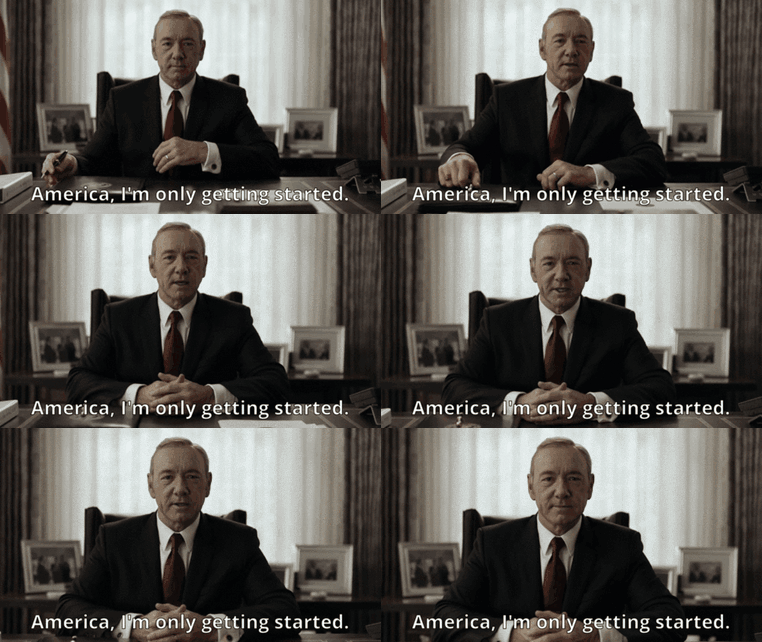
It's no surprise that this political drama has made it onto this list. Season 4 revolves around the Underwood political campaign. The entire series revolves around the very dark and scary side of politics. During the last premiered season, the Underwood's go as far as using the First Lady's mother's death to cancer to their advantage. The sad fact is that this is one of the least worrisome things this power couple has done in order to gain power. This season depicts the couple as nothing romantic, but strictly a political partnership. The most basic thing we can grasp from this entire show is that anything can be used as a political advantage, no matter how cruel or how untrue - as long as the public believes it. Sure, the show tends to exaggerate to the point where many would think that a group of conspiracy theorists are writing the scripts, but some of the things tend to ring very true - it generally lets its audience know that they should remain skeptical of politicians, most of them shouldn't be trusted.
3.Parks and Recreation
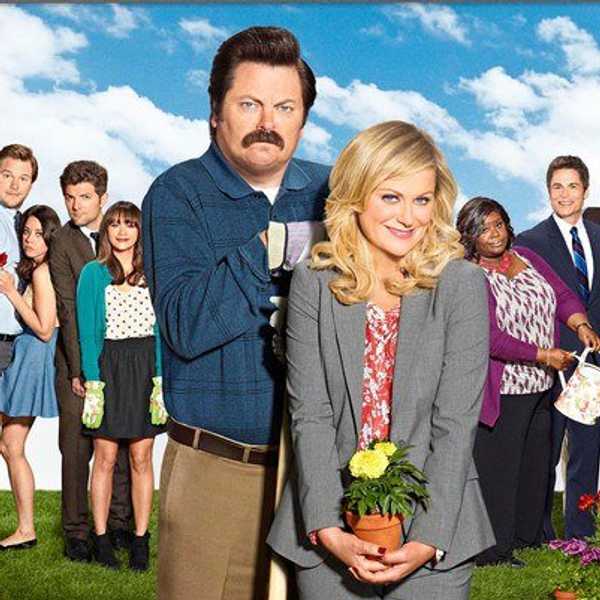
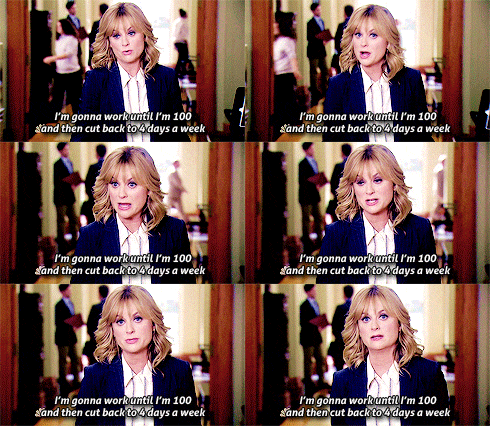
This witty docu-style comedy about the governmental department of Parks and Recreation follows Leslie Knope and her co-workers through their work and personal life. This show delivers a positive intake on governmental work through Leslie Knope's determination and enthusiasm. During season four, Leslie tries to run for City Councilman of Pawnee, Indiana. This election brings out the dark and competitive side of Leslie Knope after she gets tired of being sabotaged. Regardless of this, Leslie's campaign ends on a positive note with the episode "Win, Lose, Or Draw" when she decides to give an honest and inspiring speech about the government work she really loves to do. The message she delivers is one of hope and of a new journey. It not only does a great service to the series that started changing up a bit after this goes through, but it also does a great job of depicting what great leadership looks and sounds like.
4. "Mad Men" - Long Weekend
This incredible drama that revolves around Don Draper and the advertising team of Sterling Cooper gives you an inside look at the first fully televised elections and how the use of political ads. Political advertisements on television started in the 50's, but John F. Kennedy really changed up the advertising world by tapping into a new market: youth. His Kennedy jingle ad was catchy, fun and unlike anything the political world had ever seen before. Season 1, Episode 10 - Long Weekend, creates a plot in which the advertising agency is considering doing pro bono work for the Nixon campaign for publicity. This episode brings up great points from the advertising side and how voters react to ads. One of the heads of the agency, Roger Sterling makes a statement that we can still agree with today. Sterling quipped, "When you run an ad that's positive, you're only convincing people who are already voting for you. But when you run an ad that's critical, you get a shot at the people on the fence". I have no doubt in my mind that some politicians use this as their motto for their campaigns today. Other than the technical views of it, the series depicts different views on politics varying from the extremely conservative Vietnam War protesters.
These shows are but very few examples of how many different views have been shared on politics through television series. Some of them terrifying, some humorous and others could fall under satire. Other television series like The Simpsons, West Wing, Scandal, among others have provided a long list of varied and extensive opinions on the government and its politics. With the intense primaries this year, I have no doubt that many other shows will follow in their footsteps. Television has become a vital part of the campaign process, whether it is a Saturday Night Live skit or a presidential hopeful making television series appearances. Tapping into this market will remain to be vital to any candidate's campaign. As election year proceeds, let's be on the lookout for more governmental criticism.