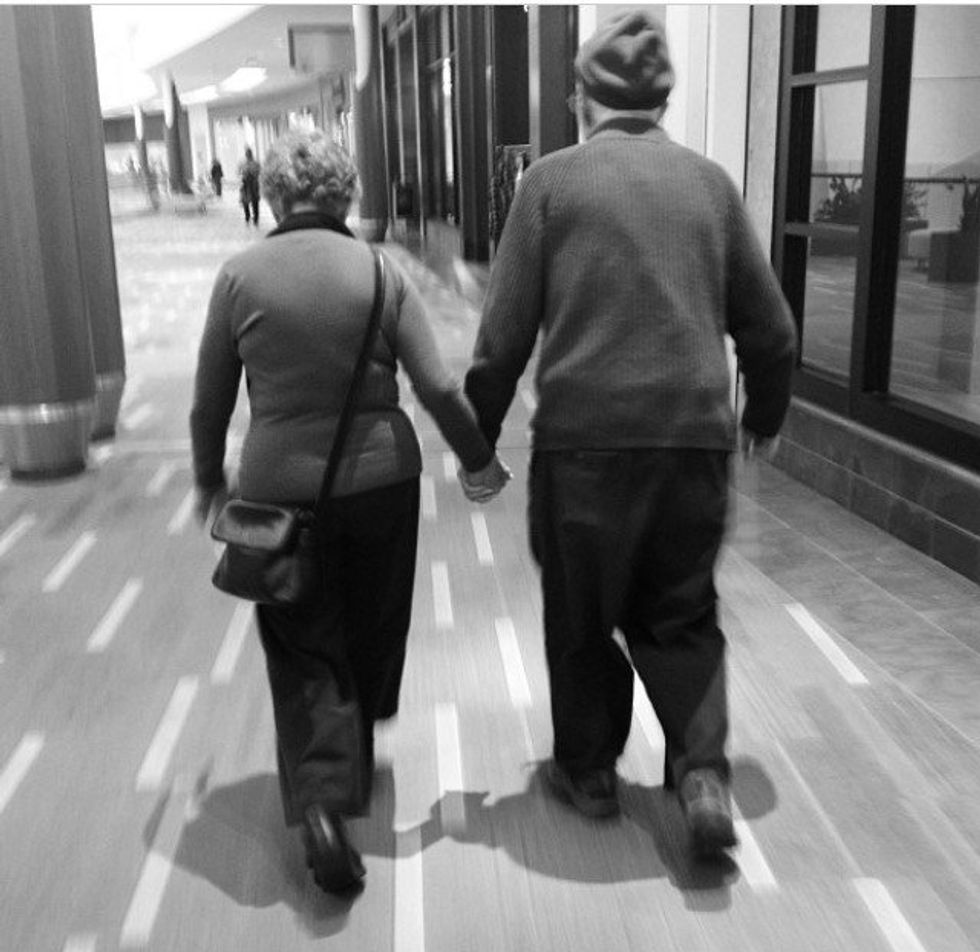
Honestly, aging isn’t particularly pretty, and involves the acquisition of an extensive list of generally undesirable mental and physical challenges. These include, but are of course not limited to, weight gain, hair loss and graying, memory disparities, physical aches and pains, cancer, lack of energy, and increased vulnerability to ailments such as cancer. These particular afflictions aren’t necessarily personally applicable to my college target audience, but understanding the process of aging and making a habit of providing elders with dignity and respect is an initiative that readers of all ages should strive to adopt.
This is especially relevant considering the high rates of suicide amongst Americans over the age of 65. The Aging and Mental Health journal confirms this startling fact, asserting that rates of suicide in older Americans are higher than in any other age group. One study in particular went further to examine the sex differences in suicide rates of older individuals, finding that men actually account for 86% of these deaths.
For many, this is new and unexpected information, but it is important for the younger generations to understand why suicide is so prevalent in an age group that should be at peace enjoying their final years. The majority of these tragedies are prompted by a deficit of social support, especially in males who once served in patriarchal roles. It can become difficult to define a meaningful social network, as peers pass away and family becomes preoccupied with the daily rat race. Many grandparents are placed in nursing homes or assisted living as their daily care practices become progressively more extensive. Despite the good intentions of family members, this transition can be extremely mentally and emotionally damaging to the aging individual and can result in depression and in some cases, suicide. Other societal expectations suggest that this is not the only way to cope with an older relative. In fact, in Korea, one would be considered a bad son or daughter if they were to do so.
In many other non-Western cultures, advanced age is viewed as a badge of wisdom, and older individuals are treated with respect and valued for their extensive life experience. According to the Huffington Post, many cultures have almost polar opposite attitudes toward their elderly population, such as in India, where aged individuals maintain positions of respect as heads of their families. While every culture is entitled to it’s intricacies and social dynamics, America can afford to take some tips from our neighbors.
Yes, we live in a fast paced competitive society, but who is to say that failing to tap into the knowledge of those having lived longer than us isn’t slowing our progress? The elderly population should be esteemed for their fascinating and unique life paths, and utilized as important members of society rather than expired goods. Not only will elderly engagement inspire community progression and improvement, but it will also restore a sense of purpose in these accomplished and important individuals.