Finally, an article about feminism and women’s rights. When I first started writing for Odyssey, I included one of Jessica Day’s most quotable moments from the TV show "New Girl" in my writer’s bio. “I hope you like feminist rants because that’s kinda my thing.” Yet, until this point, I have not written a single article about anything pertaining to women’s rights or the feminist movement…
…Until today. Buckle up, friends, because you’re about to walk in the shoes of an angry feminist.

I have always despised dress codes. Personally, I don’t believe that anyone has the right to regulate or have an opinion on what you wear other than yourself. You should dress in such a way that you are comfortable and that you are happy. Being comfortable and being happy aren’t feelings we should be stripping others of, and if you are one of the people that gets a thrill out of judging and regulating and gossiping about what the guys, gals, or non-binary pals sitting next to you are sporting, then please, do us all a favor and sit in a corner with your thoughts for a while. But to those of you who support body positivity and comfortable clothing for all, thank you for being cool.
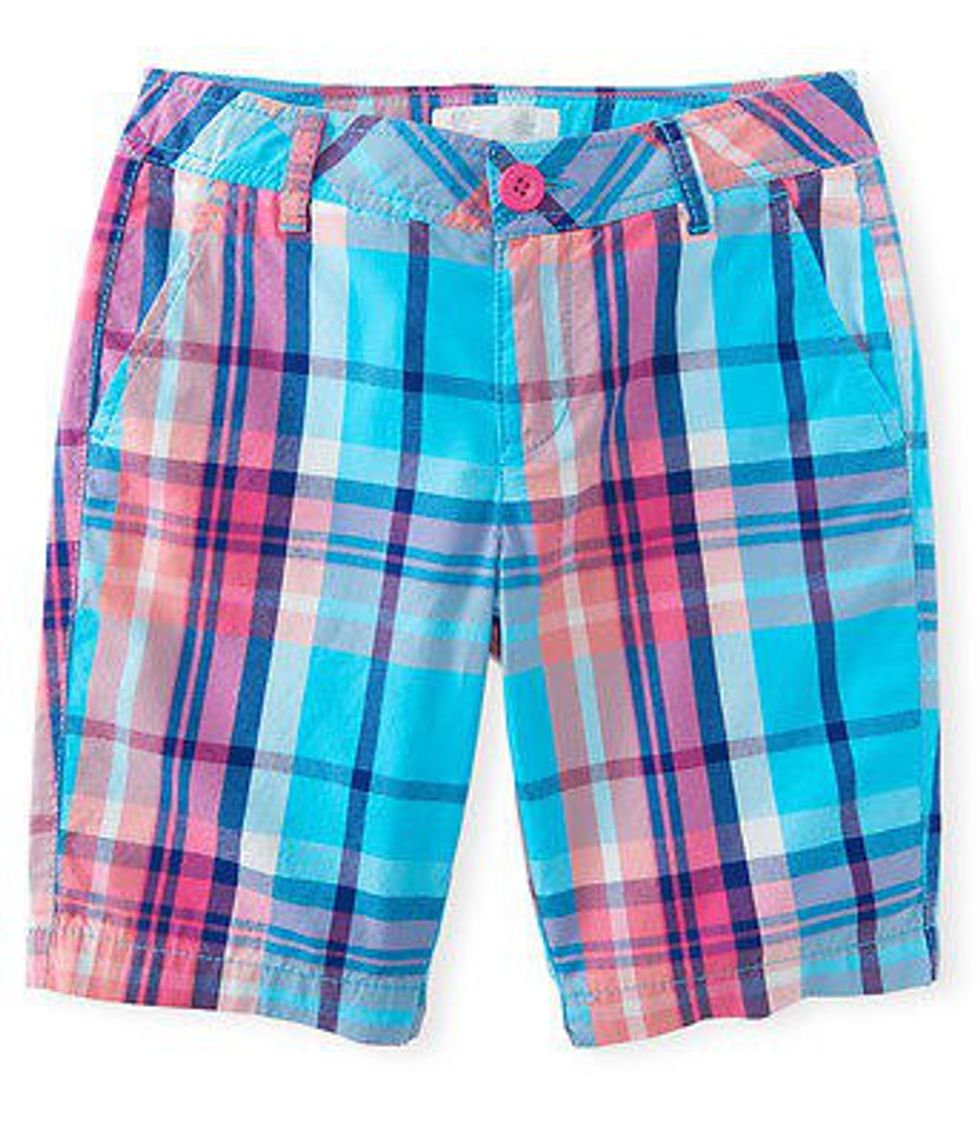
Way back in junior high school when my school’s dress code said that all shorts had to be at least fingertip length (you all remember this), I rebelled. Actually, it wasn’t really rebelling that I did, but struggling. As a person who has very long arms and legs and a standard torso, my fingertips ran down to a few inches above my knee, while my other friends with “normal”-sized appendages and bodies could wear shorts that were just a few quarter inches from being “booty shorts.” I was forced into wearing those ugly, plaid Bermuda shorts that were really popular at the time (seriously, why?) because they were the only shorts I was allowed to wear to school. These shorts did not, however, make me comfortable or happy, and I hated that because I had longer arms than most, I was essentially discriminated against because of my body type.
Flash forward to college-aged Tyessa. Now almost 21-years-old, it’s been almost ten years since those Bermuda shorts days. (Luckily, they got passed down to my younger sister who, surprise, never wore them because they 1) went out of style by Labor Day that same year and 2) were ugly). As I have gotten older, my body has developed as a woman’s does. I have curves that replaced my stick-straight body, toned muscles from years of playing softball, and a face whose acne is thankfully cleared up (for the most part). As I look in the mirror at myself, I love my body, and it’s taken every single day of the past nearly 21 years to be able to say that.
Now that I am older, I am expected to dress professionally on many different occasions. Whether it be for work purposes, for formal events, or for school presentations, I am to dress in a way that exuberates “professionalism.” This expected “professionalism”, though, quite often directly opposes the way I prefer to dress.
I like to dress in a way that accentuates my figure and that makes me feel happy and comfortable. For me, my clothing type of choice is form-fitting. I like when my clothes fit to my body, so when it comes to dressing “professionally”, I run into some problems. The form-fitting clothing I like to wear is deemed “inappropriate” in most professional settings even though the materials the clothes are made of and the style of the clothing falls right in line with the run of the mill “professional” look. I have professional blazers and dress pants and skirts and blouses, but because they fit a little tighter they are deemed unacceptable. Why is that? Just because I like to wear clothes that flatter my body doesn’t mean that I should be seen as unprofessional.

I know that I’m not the only one who runs into this problem. Women of all body types and sizes face an impossible double standard set by society when it comes to looking professional. Society tells us that we should look conservative in our professional attire but still look attractive or “sexy.” Thus, retailers sell clothing lines that tailor to this unrealistic expectation. We are forced into wearing professional clothing that exposes our womanly figure because that’s all that is sold in stores! “You want dress pants? Well, they’re going to be really tight. You want to buy this skirt? Too bad, you can’t. It’s not knee-length. This dress looks professional, but we made it backless so you can rile up the men at the office. You’re welcome.”
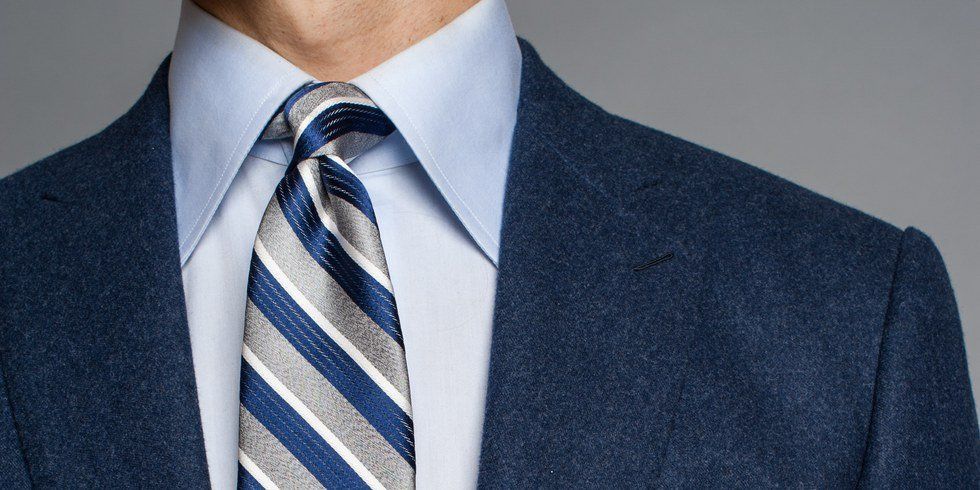
Doing some thinking about what exactly is acceptable for women to wear in the professional world, I realized that the standards are set so that women are forced to dress more like men. “Appropriate” professional attire as a whole typically means loosely-fitting clothing. When you think of a professional outfit, your mind most likely flashes an image of a button down shirt with dress pants, dress shoes that tie or cover up most of the feet, and a blazer or suit jacket. Maybe you even include a tie. Realize that this is exactly what men wear in the professional world. Why should what men wear be the standard for women? That doesn’t even make sense. Women should have the choice to wear clothing that doesn’t directly resemble men’s apparel. They should be free to wear dresses that come a few inches above the knee. This isn’t the 19th century. They should be allowed to wear clothing that fits them in a way that they prefer without worrying about whether it’s loose enough to look like men’s clothing.
Ladies, the patriarchy is to blame for all of the outrageous beauty standards women face. It is to blame for the impossible body standards we face. It is even to blame for the professional expectations we are given.

We don’t have to dress like men to be taken seriously in the professional world. We can wear bright lipstick, form-fitting clothing, open-toed heels, skirts that come above the knee, blazers that are cropped, and dresses that are strapless. Our desire to wear clothing that flatters our bodies should be embraced and admired. Maybe then men can feel less trapped in the definition of what is “professional” too. Maybe then everyone can accept that professionalism should be a flexible term for people of all genders and sexes.
Of course, women who like to wear loose-fitting clothing should do so. Women who prefer to wear men’s clothing should do so. Everyone should wear clothing that they are comfortable in. In no way am I telling all women that they should dress in form-fitting clothing. Women should wear whatever they want! I am simply pointing out the obvious — that the standards for professional dressing were created by men and for men so that we may please their eyes but remain frozen in the cages they have locked us in.