
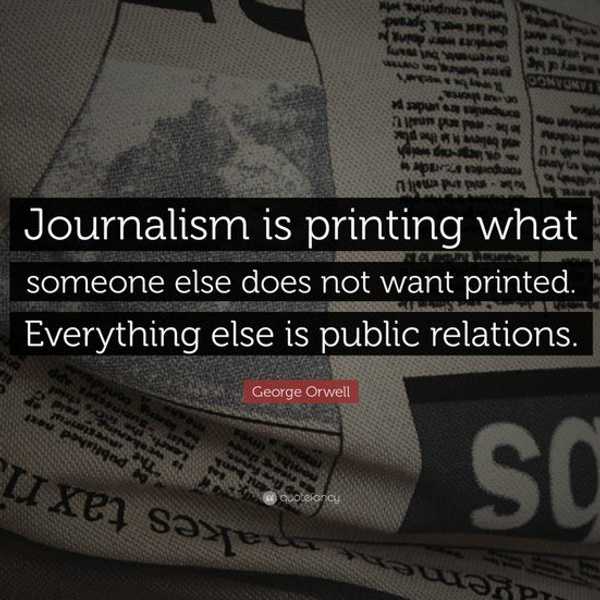

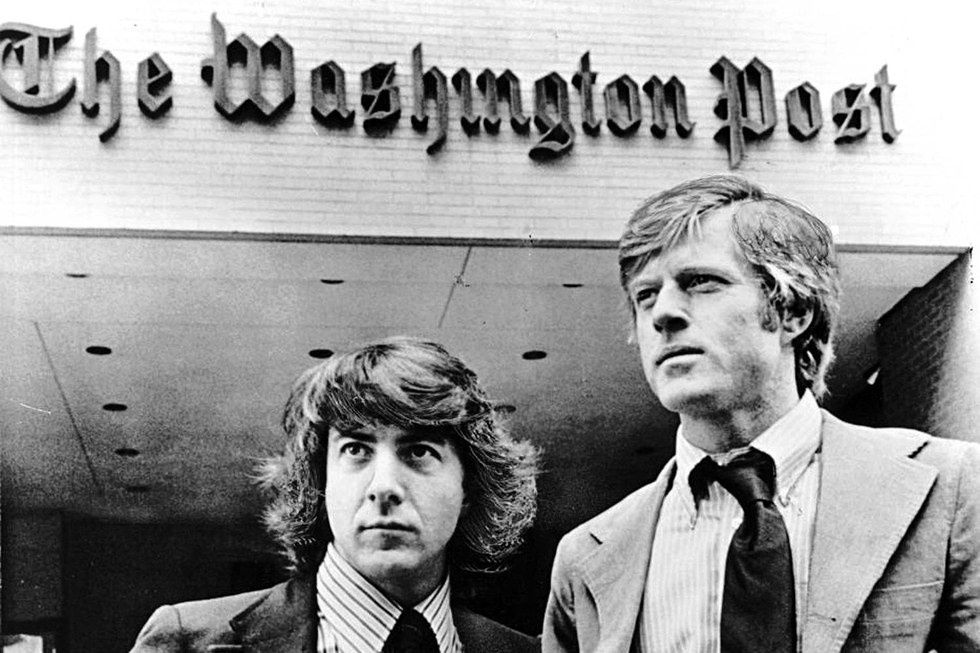
At some point in the last two decades we stopped asking questions. We became fascinated by temporal scandals that go no deeper than the surface. These are the major headlines that plague our televisions and news sites. What happened to the inquisitive nature that fueled Woodward and Bernstein?
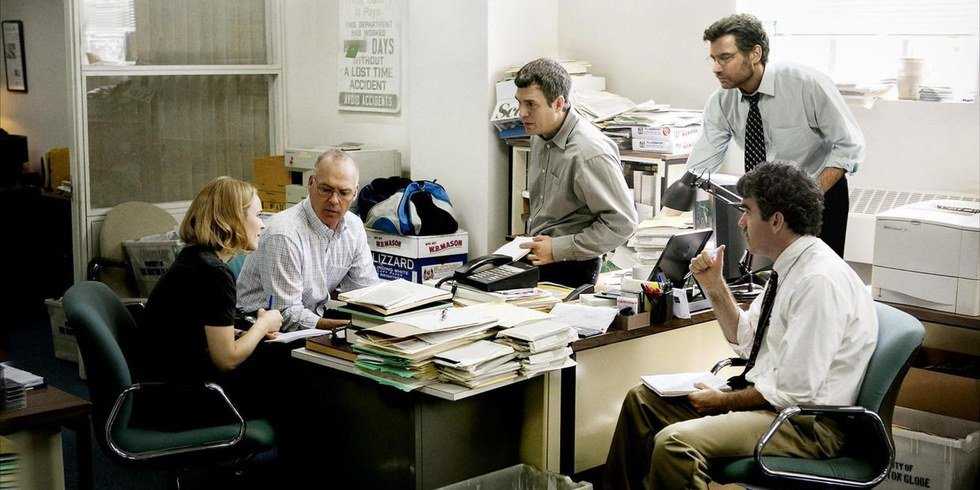
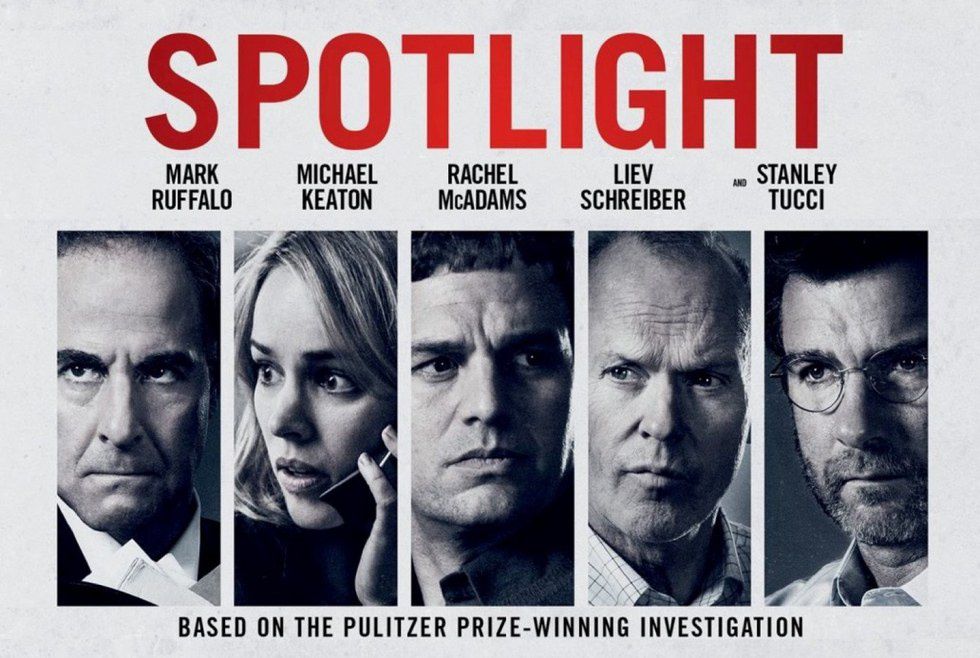
My revived interest in the fate of investigative journalism was inspired by watching "Spotlight." The movie covers the Boston Globe thorough investigation into the child molestation scandal within the Catholic Church. While it was centered on the story, it also covered the practice of investigative journalism. Unlike some shows that give a false impression of a profession, " Spotlight " didn’t cut corners. The scenes that really summed up the investigative journalist practices were Mark Ruffalo's encounters with the records clerk at the courthouse. Rather than have everything work out at the first try, many things from sealed documents to closing hours stop him.
Watching this movie reminded me that there haven’t been any well-researched stories that have broken recently. A lot of this has to do with money in media. Prime time cable news shows are paid to lean a certain way. This leads to hasty and inaccurate reporting that takes down the other side and pleases the viewer. Today it seems that news stories are shorter than the corrections that are published after. The focus has shifted from the truth to sensation.
Another problem in today’s news that prevents investigative reporting is the decline in the attention span of an audience. We seem to be a generation that can only be captivated by something that is less than five sentences or thirty seconds. The amount of information and detail that is in a good investigative report cannot be contained in a one-sentence by-line.
The decline in investigative reporting cannot be accounted for by the improvement in our government and its functions because that has clearly declined. This decline in the efficiency and sanity of the government is the exact reason why people should be clamoring for a watchdog media instead of the lapdog media that we currently have.

In the past years, the best investigative reporting that I have seen has been on John Oliver. Each week Oliver provides a detailed investigation into an issue that our country faces. This past year he has covered the issue of mass incarceration, immigration, to the absolute absurdity of Trumps wall. While this show is meant to be a comedic relief from the obvious deception of mainstream media.
While there may be little hope for the mainstream media, there is hope for smaller local news organizations. Most of the information about what the government is doing is available to the public because of the freedom of information act. You can visit government websites and view the documentation of their recent activity. Websites, such as followthemoney.org, allows anyone to see who is donating to which politician. Paroli's website is a great source to see which politicians might be getting a little monetary encouragement to vote a certain way.
 You don’t have to use these resources to write an award-winning article. Just use them to be aware of what is going on in politics. The mainstream media is failing the public in providing concrete information on the functions of our government. Some many things that people want to change go unnoticed to the rest of the public, but it is possible to use the first amendment and get your voice heard about an issue that you are passionate about.
The first step to fixing the media needs to come from the public. Stop accepting superficial stories about the government. Ask for clarity. Remember, question everything.

















