
One of the biggest problems we have with the government these days is a lack of transparency. Since the Watergate Scandal in the 1970’s, the people of the United States have become less trustworthy of the government. People on both sides of the aisle have become more vocal about government secrecy (mostly when the president is from a different party).
The problem is that there is still a lack in transparency. Unless you watch press conferences, C-Span, or waiting for Friday government document drops, you may not have a good view of what the government is doing. There needs to be a better option to see what the government’s plans are.
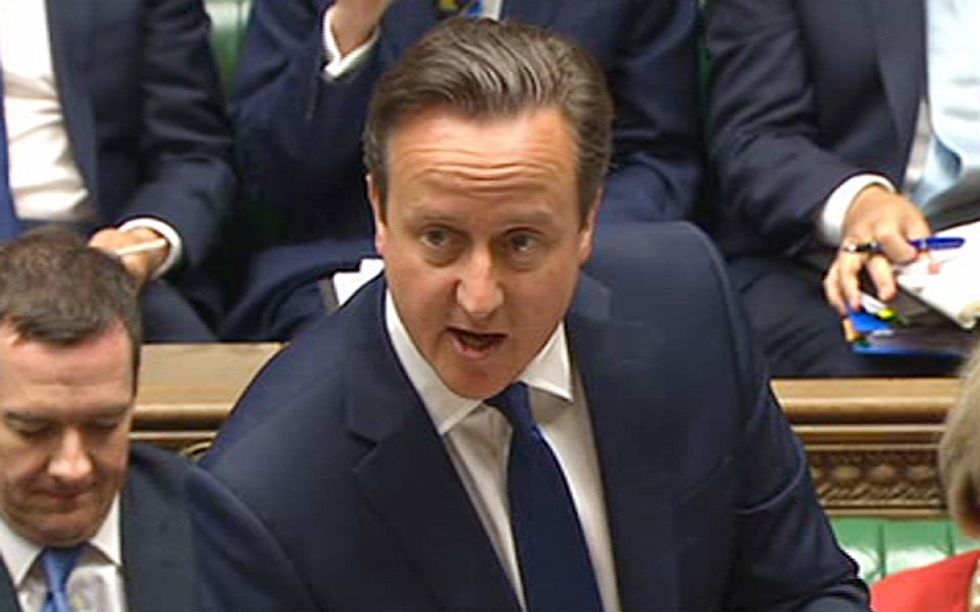
At times like this, it is good to look across the pond and see what the United Kingdom is doing. One of the traditions their Parliament practices is called “Prime Minister’s Questions.” For 30 minutes every Wednesday that Parliament is in session, members on both sides of the House of Commons propose questions to Prime Minister David Cameron. Members of his party, the Conservative Party, tend to ask questions worded to endorse or promote their agenda. Conversely, the other parties, such as the Labour Party, the Liberal Democrats, and the Scottish National Party, grill Cameron on his plans and activities. They can’t question him directly, to technically the questions are aimed at the Speaker.
At one point, there is a large debate between the prime minister and the leader of the opposition (equivalent to the U.S. house minority leader). The leader is the only one allowed to ask multiple questions, which gives rise to a back and forth between the two. This practice of Prime Minister’s Questions has been around since 1881, and provides the British people with an insight of what is going on in their government. Not only do the citizens get to see what the government is doing, it allows for the other parties to showcase their jobs and their plans.
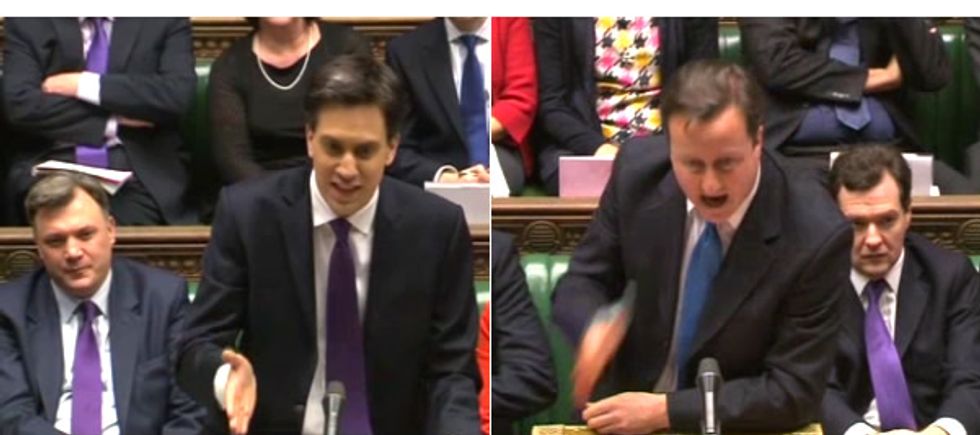
So how can we benefit from this? If we had “President’s Questions” in the United States, we would see the comparison between the two parties. The infrastructure is similar to that of Parliament. The House of Representatives would replace the House of Commons, who both have speakers to receive questions. The president of the United States would replace the prime minister of the United Kingdom. The house minority leader would stand in for the leader of the opposition. The president would receive questions from both Republicans and Democrats and have to explain his position. The best part is, it is easily accessible these days. Instead of just having it on C-Span, the government can post it on social media websites, such as Facebook, YouTube, and Twitter. People from all over the world would be able to see the debates our Congress is holding.
All of this is just an idea. There would have to be much debate about how this can be implemented. The president would have less availability than the prime minister, who has to be at Parliament anyway (the prime minister is also a member of parliament for a certain district). But if it can be accomplished, this could be a new avenue for transparency.