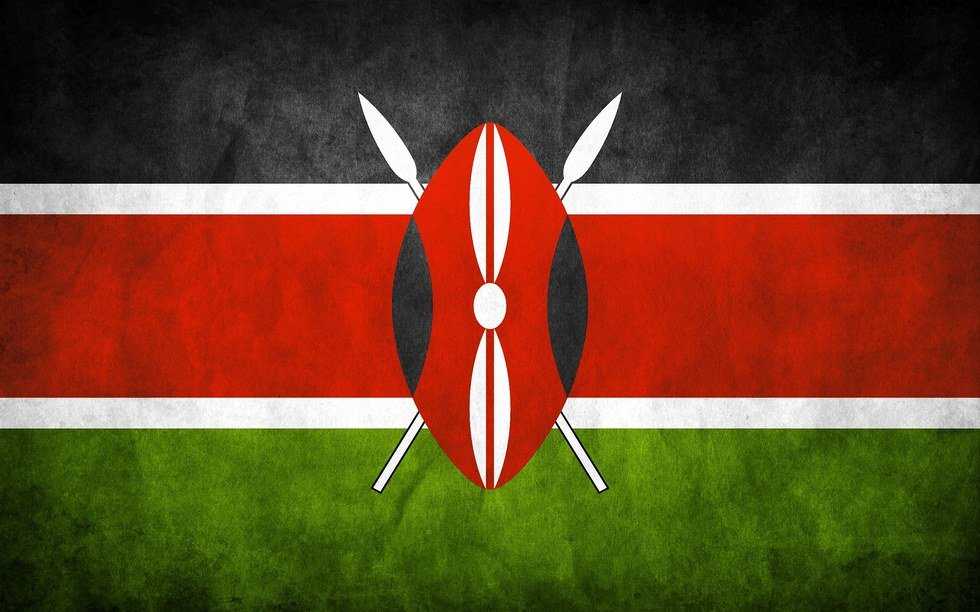
On April 2, 2015, a ruthless massacre devastated Garissa University College in northeastern Kenya, leaving 148 innocent people dead. The massacre was the second deadliest terror attack in Kenya and was conducted by Islamic militant group al-Shabab, which translates to “The Youth" in Arabic. The Somalia-based militant group is interconnected with al-Qaeda in the Islamic Maghreb and Boko Haram in Nigeria. Al-Shabab has 7,000 to 9,000 fighters with rumors of voluminous foreign jihadists flooding into Somalia to help with the terrorist group's intensifying efforts.
This was an unquestionably brutal slaughter leaving over a hundred people, primarily students, dead. How can the world simply sit aside and not take a firm stand against acts of terrorism?
When the horrific mass shooting occurred at Charlie Hebdo in Paris, France, the entire world stood together and formed a united front against acts of terrorism and stood with France. Everybody changed their Facebook pictures to “Je suis Charlie," wrote statuses and tweets about the disgusting brutality of the act, and the world stood together as a united front against the injustice of terrorism. It was a dreadful tragedy that resulted in a scenic union of humanity bound together in a display of love and togetherness in an effort to show the world that Paris does not, and will not, stand alone. The world stopped and was bound together in an amalgamated effort to stand against prejudice and actions initiated by constructed terrorism.
The Charlie Hebdo massacre was a tragedy; however, when a similar butchery occurred at Garissa University College in northeastern Kenya, the world was silent. There were no rallies of people banding together to fight the injustice at hand. There were no foreign diplomats marching the streets in effort to take a stand together against the wrongdoings of the terrorism. The world was universally silent. This creates the questionable inquiry as to how we choose to act in occurrences of tragedy, murder, and injustice: Do we only take a stand at our greatest convenience?
The massacre in Kenya occurred on the Thursday before Good Friday on the weekend of Easter Sunday. It has been reported from witnesses at Garissa University College that the al-Shabab group actively sought to execute those who were religiously bound to the Christian faith. On Easter weekend, a weekend where Christians celebrate Jesus' sacrifice for our sins so that we may live our lives according to the Word and be more like him, how was the world silent? Are we too preoccupied with the convenience of the fight? Do we not want the blood of innocents to mar the white linens of our Easter holiday season?
Pretty ironic isn't it, how the world can just stop and be silent in a season that honors the togetherness of Christian faith and the celebration of self-sacrifice through the resurrection. Are we really fighting for the legitimacy of the cause, or are we fighting for our own social benefit at our greatest convenience?