The concept of fashion has played a huge role in how billions of people express themselves, therefore contributing highly to one's self-identification. Although this often serves as a beneficial means by which humans communicate with one another and better understand their own persona, there can be many negative consequences regarding some underlying issues within the industry, particularly when it comes to fashion for little girls.
There are countless clothing brands that specialize in designing clothes for little girls with the intent to make them look darling and endearing. However, they often do so by mimicking trends principally meant for adult women. This age appropriation wrongfully sexualizes young girls.
The idea that little girls who wear these 'fashionable' clothes are seen as cute and trendy by society is problematic in the sense that it equates their physical attractiveness to sexiness and overly emphasizes the importance of being physically attractive. This sets them up for a future of issues regarding cognitive functioning, physical and mental health, sexuality, and attitudes and beliefs, as stated by the Report of the APA Task Force on the Sexualization of Girls.
It also teaches others to value sexiness in young girls. Although the issue of sexualization in fashion for little girls may seem minor at first glance, according to an article by Live Science, thirty percent of little girls' clothing is sexualized in major sales trends today in age - whether this be by how revealing the clothing is, what it emphasizes, its purpose, or even the graphics on it.
In an interview conducted by the American Psychological Association, young girls admitted themselves that "stores don't sell loose clothes or clothes that are age-appropriate." While this group of girls did notice the dangers in the clothing being marketed to them, there are many others who are blind to the fact and fall into the trap by eventually subconsciously sexualizing themselves. Girls typically idolize fashion trends and the popular girls at school always have the most up-to-date clothing. When fashion trends becoming a means of sexual and beauty objectification, young girls start to associate looking good and being popular with dressing sexy or dressing to belittle their abilities.
1. Sexualization through SHOES
Shoes designed for little girls also pose a problem relating to sexualization when it comes to the use of heels. The purpose of high-heeled shoes is to make the legs of a woman look more slender and long - a form of sexualization. As the Report of the APA Task Force on the Sexualization of Girls points out, when little girls wear high heels they are emulating adult women, which in turn causes them to "engage in behaviors and practices that are socially associated with sexiness." Little girls feel stylish when they wear shoes with even small heels because that is what they see adult women wearing, but they do not know that the real reason adults wear them is to look sexy. Pee Wee Pumps is a brand that specializes in designing heeled shoes for little girls even younger than two years old. The company claims they make these shoes for funny photo shoots, but they disregard the fact that their products completely sexualize baby girls by putting them in shoes meant to make their legs look seductive.

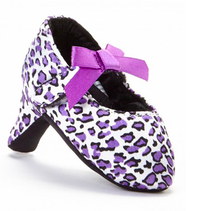
In addition, many brands who make shoes for adult women as well as for little girls tend to use similar styles for younger ages as they do in adult sizes. For instance, popular shoe designer Sam Edelman makes high-heel dress shoes in girls' sizes, unknowingly sexualizing little girls before they even reach their teenage years.
2. Sexualization through ACTIVEWEAR
 Giphy
GiphySince the emergence of an obsession with a healthy lifestyle, activewear has become more relevant than ever before. It is worn not only for exercise but for daily life activities. Leggings have replaced the role of sweatpants, and thanks to brands like Lululemon, Alo Yoga, Varley, and Ultracor, athleisure (workout gear worn for leisurely activities) has undertaken its own sect in the fashion world. Much of athleisure involves tight-fitting leggings and revealing sports bras. Although this is acceptable for age-appropriate teenagers and women, it most certainly is not when it is targeted at young girls.
The Report of the APA Task Force on the Sexualization of Girls expresses the great concern that comes when increasingly younger little girls are marketed clothing originally intended to emphasize female sexuality. For example, Lululemon's daughter brand Ivivva designs workout gear for girls aged six to fourteen that imitates Lululemon's strappy sports bras and spandex shorts, which are often referred to as "booty" shorts because of the way they accentuate a girl's body.
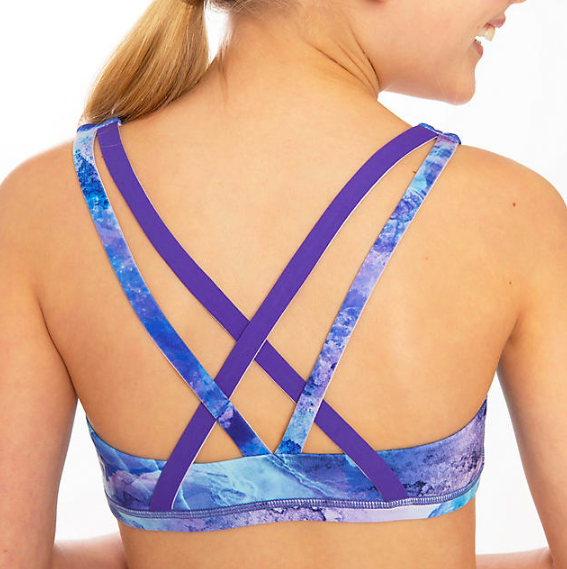
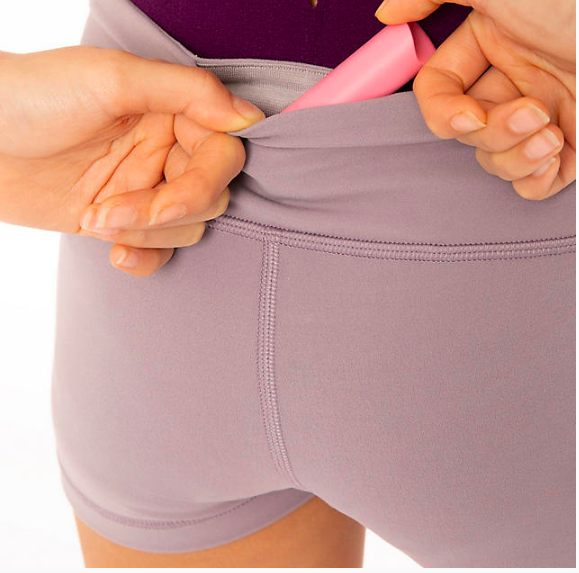
On the item description for the original bra, the designers state that this is meant to provide a "little extra coverage—if you want it." Why then, does a six-year-old girl need to wear the same exact bra? A similar controversy arose when fifteen-year-old Brooke Shields posed provocatively for designer Calvin Klein. Her photoshoot sparked immense controversy, especially because it was marketed with the inviting line: "Do you know what comes between me and my Calvins? Nothing." As explained by the Report of the APA Task Force on the Sexualization of Girls, this suggestive advertising imagery serves to blur the thin line of distinction between women and girls, which can bring make young girls prioritize their sexual availability. Many brands have followed in Ivivva's footsteps, making their own versions of sexualizing athletic wear, including Gap Kids.
3. Sexualization through SWIMWEAR
What's more, is the manner in which swimsuits are designed and marketed for little girls. One main thing to keep in mind here is the difference between the regular two-piece swimsuit and the triangle bikini. The first refers to a pair of briefs with a full-coverage cropped top, while the latter refers to cheekier bottoms with a triangle top meant to accentuate a woman's breasts.
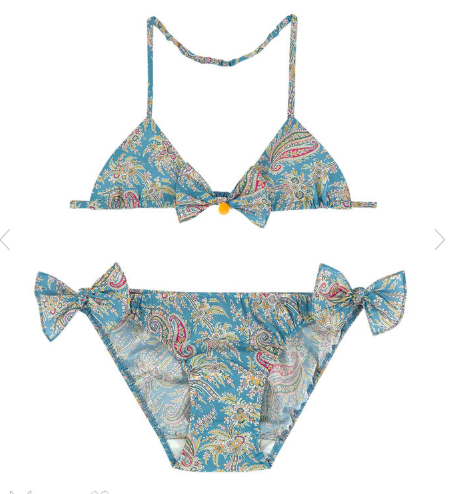
In the example, the bottoms are cut higher up so more of the leg is shown. In addition, there is plenty of room for what is supposed to be cleavage, even though little girls who are wearing this do not have it. This particular suit comes in sizes starting at age four, which suggests that it is acceptable for girls of four years of age to wear such scandalous bathing suits. According to Mary Jane Kehily's Contextualising the sexualization of girls debate: innocence, experience, and young female sexuality, this over-sexualization can lead to eating disorders and low self-esteem because of how it promotes little girls' need for affection.
Not to mention, this again overemphasizes the importance of sexuality and looking sexy that the kids' fashion industry fosters. It teaches little girls that it is a positive thing to put their bodies on display before they even realize what the consequences and purposes of doing so are. In fact, it even causes girls to self-sexualize, which is what the Report of the APA Task Force on the Sexualization of Girls describes as girls treating and experiencing themselves as sexual objects. Young girls often refuse to wear one-piece swimsuits because they feel they are unstylish in comparison to their more provocative bikini counterparts. Stylishness, in this case, goes hand in hand with looking sexy. The way little girls look is also associated with their popularity in school. As described by Huffington Post's The Disturbing Sexualization of Really Young Girls, popular girls are known to be trendy; but, when trendiness and sexiness come to refer to the same things, young girls find themselves wanting to look sexy to increase their adoration from fellow peers.
4. Objectification through GRAPHIC TEES
 Giphy
GiphyOn another note, sexualization can also occur by means unrelated to revealing clothing, such as by graphics displayed on clothing. Typical girls' graphic tee-shirts have sayings like "Love," "Smile," "Hi," and "Goodnight Gorgeous", or just plain emojicons, which not only undermines a little girls' potential, but also emphasize the fact that her only role is to be cute and pretty. This is especially apparent when compared to what boys' graphic tee-shirts usually say: "No Guts No Glory" and "Think More Do More". The difference between the values enforced by each respective gender's assigned graphics is detrimental to the future of the children. While boys are taught that they are intelligent, strong, and have a lot of potential, girls are taught to share smiles and love. This puts them in a mindset that their only real job as members of society is to look pretty and please others while the boys will go out and do the important tasks. According to Contextualising the sexualisation of girls debate: innocence, experience and young female sexuality, this is slightly shifting with the new trend of including ore feminist messages on shirts like "Girl Power." Nevertheless, it still comes from a place of sexism because boys' graphics would never even have to say something like "Boy Power" - it is already implied.

5. Objectification through COSTUMES
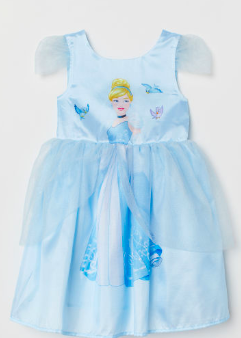
Yet another means by which little girls' fashion sexualizes them is through the designs made for costumes and dress-up wear. A huge part of little girls' culture is playing dress-up, and most mainstream kids' clothing stores sell costumes year-round. However, it is important to look at what kinds of costumes are available for little girls. Primarily, they consist of fool costumes - nonhuman and inanimate objects, as explained by Adie Nelson's The Pink Dragon is Female. For example, young girls usually dress as fairies, unicorns, princesses, and others of the same liking. This poses as a major issue for young girls because as claimed Nelson, it emphasizes the idea that girls' glory is centered in the realm of these fool characters: princesses, brides, beauty queens - all of which are concentrated in traditionally passive femininity. In turn, little girls are once again taught that their sole importance revolves around their physical appearance and conformity to others.

6. Objectification through FORMALWEAR
Finally, fashion for little girls promoted sexualization through what type of formalwear is available. When shopping for girls' clothes for special occasions, options are quite limited to dresses and skirts. To illustrate, every item on Nordstrom's Girls' Special Occasions page is a dress or skirt.
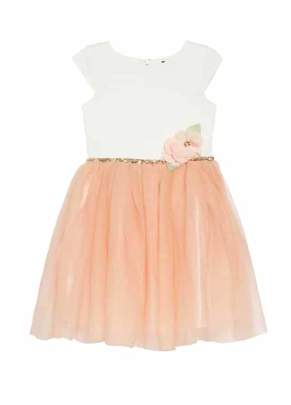
If a girl wants to wear a suit or pants of any kind to a formal event, she is forced to shop in boys' sections of stores since those options are simply not available for both genders. This is due to the fact that wearing dresses and skirts reinforces femininity. According to Pink Frilly Dresses (PFD) and Early Gender Identity, wearing clothing such as dresses and skirts demonstrates mastery of the female gender role to themselves and others. In other words, they show that "they are as girly a girl as they can be."
Going back to the idea of dressing stylishly to be socially popular, many girls dress in this type of formalwear not only because it is the only option, but also because they might feel like they are putting their status as girls at risk by wearing anything else, as claimed in Pink Frilly Dresses (PFD) and Early Gender Identity. Lauren Greenfield, a photographer known for her visual commentary on societal issues, shows examples of what kind of formalwear is available for little girls through her work. Here, a thirteen-year-old girl is depicted on her bat-mitzvah day wearing a tight black dress with lace arms and heeled shoes. The dress shows her figure, sexualizing her at a very young age, and the heels make her legs look slimmer. This image also shows a major consequence of sexualization through clothing: that of poor physical and mental health. The thirteen-year-old girl in this photograph is weighing herself, seemingly to make sure she is in the range of weight that is considered "beautiful." As Contextualizing the sexualization of girls debate: innocence, experience, and young female sexuality describes, sexualized clothes can lead to eating disorders that stem from the hyper-activation of little girls' desire and need for affection.