Hollywood has gotten a lot of things wrong when it comes to race: whitewashing, blackface and yellowface to name a few. But for once, they made something right.
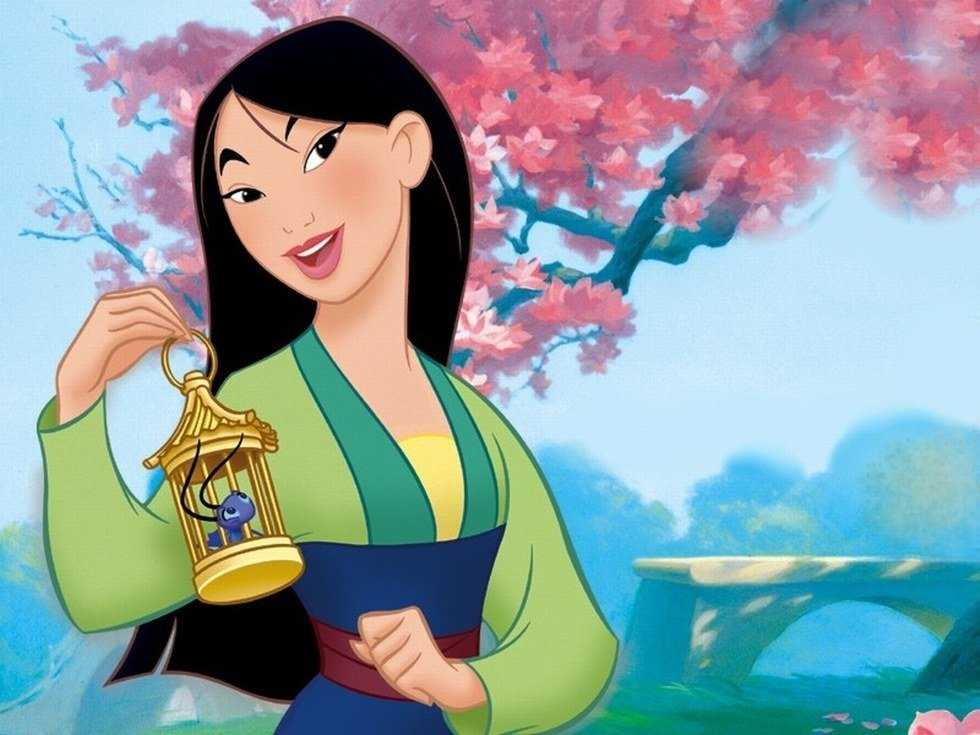
Earlier this month, Disney announced a live-action adaptation of their wildly-popular 1998 animated feature “Mulan.” The film, set to be released in 2018 -- 20 years after its animated predecessor -- will feature an all-Asian cast.
"Mulan" is based on the ancient Chinese legendary ballad “Ballad of Mulan,” which tells the story of Fa Mulan, a young Chinese woman who disguised herself as a male soldier in order to fight for her ailing father. Disney took the story, and although did a masterful job with it, took some creative liberties in casting. The cast turned out to be not entirely Asian.
So fears about whitewashing became apparent when Disney wanted to give the film a live-action treatment. Hollywood’s long history of whitewashing in films such as “Breakfast at Tiffany’s,” “Lawrence of Arabia,” “21,” "The Last Airbender," “Aloha,” “The Great Wall” and “Ghost in the Shell" did little to soothe such fears. The hashtag #MakeMulanRight cropped up on social media in hopes that Disney would cast some sense into the film.
And so right Disney did. Their decision to feature an all-Asian cast follows a boom of sorts for Asian American actors in the past decade. Asian Americans are now featured cast members in shows such as AMC’s “The Walking Dead,” Hulu’s “The Mindy Project,” ABC’s “Fresh off the Boat” and Netflix’s “Master of None.”
Even as Asian Americans enjoy an increase in exposure on both the small and silver screens, the nonsense continues in white castings for non-white roles, even -- despite Mulan's progress -- among other Disney projects. This relegates actual Asian Americans’ stories -- as they so often have been -- invisible. To perpetual foreignness. Disney got it right this time, but for many other studios, the reflection being put out isn't who we are.