

Discrimination has gotten a bad rap. And, to some degree, it should.
However, the act of discerning. That is not bad. It is something we all do, on a daily basis. We discern simple matters and more complicated ones, such as who to love. When you decide where to attend religious ceremonies, what charity to donate to, or who to vote for – you are discerning between two or more options.
Sometimes, the options are people. When you go for option A, you are automatically discriminating against options B, C, D, etc for some particular reason anything from personal preference, perhaps religion or simply personal values.
And you have the right to do that.
Discernment, whether using freedom of religion, speech, press, or assembly, is a right guaranteed by the US Constitution.
Yet, we live in a country that is actively trying to abridge those rights, and, therefore, discernment. In the name of equality, many of those freedoms are being taken away.
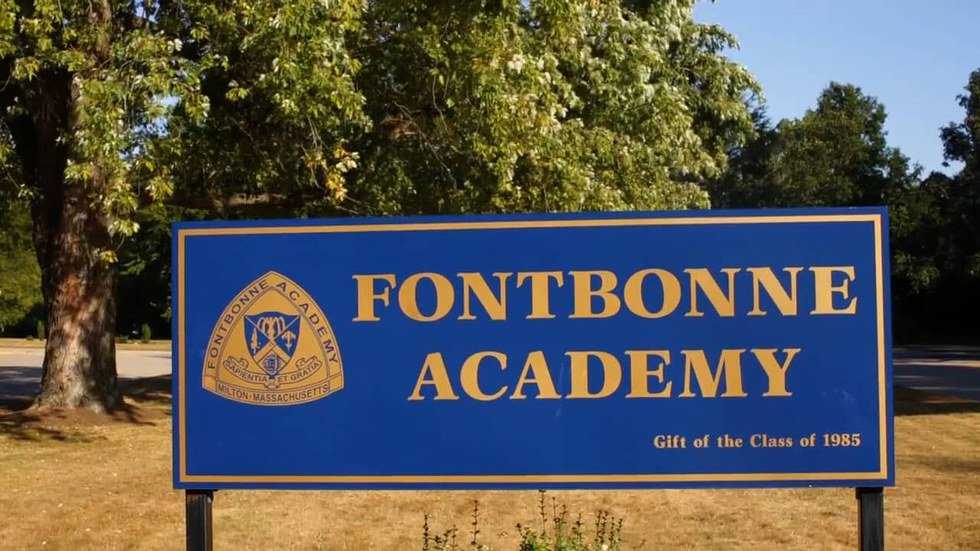
That brings us to the Commonwealth of Massachusetts’s Superior Court case of Barret v Fontbonne Academy. Earlier this month a private Catholic School in Massachusetts chose not to hire a man on religious grounds. During the application process, the school discovered that the man was married to another man. As a Catholic School, those in charge of hiring no longer considered the man for the job because his lifestyle goes against the teachings of the entity in which he was trying to apply.
Matthew Barrett then filed suit against Fontbonne Academy and won. Despite the school making a constitutional argument and, in addition to legal precedent, citing the first amendment of the Bill of Rights “congress shall make no law . . . prohibiting the free exercise thereof [religion], the court ruled in favor of Barrett arguing that the school could not discriminate on the basis of sexual orientation. Why? Look no further than the decision: “[Massachusetts] has a compelling interest in prohibiting discrimination.”
Whether or not one agrees with the Catholic Church and Fontbonne Academy on the issue of gay marriage, one cannot deny that religious institutions are guaranteed the right to exercise their religion. The school commits no crime in this case. Just as Mr. Barrett has a right to practice his lifestyle, so too does Fontbonne Academy.
Mr. Barrett knew he was applying to an institution with a religious background that had a right to select who they best believed fit their criteria. This criteria happens to include upholding the Catholic Church’s view on the definition of marriage.
As the school’s attorney John Bagely to the Boston Herald “[the reason was] not that Mr. Barrent was gay . . . it was based on Catholic faith doctrine.” Hiring Mr. Barrett would have simply forced the Academy to compromise their mission as a Catholic institution. According to Dr. Denise Donohue of Cardinal Newman Society “hiring individuals who are not on a mission, whether they are a classroom teacher, librarian, or groundskeeper, weakens Catholic identity and undermines the mission of the school.”
No mind freedom. No matter that this is a private, Catholic institution.
In an effort to attain equality, the Massachusetts’s judicial branch, and specifically the presiding Judge Douglas Wilkins, have discriminated. Oh, the irony that, to stop discrimination on the basis of sexual orientation, the court ruled in favor of discriminating against religion.