
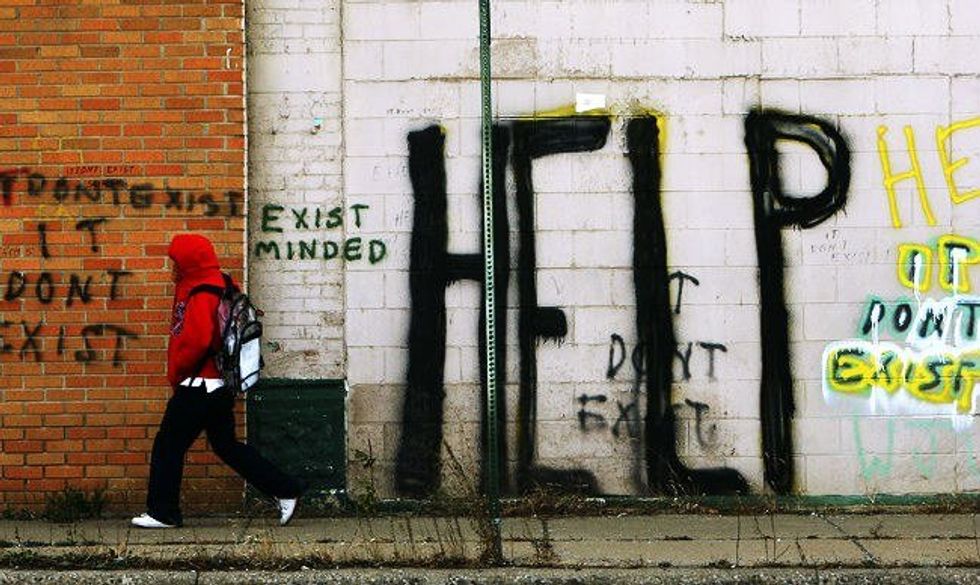
Detroit, and much of Michigan in general, have long been the butt of jokes about how poorly it has adapted economically to life without big auto companies such as GMC, Ford, Chevrolet, etc. Unfortunately, though, with the latest scare of lead poisoning in the water supply of Flint, Mich., the jokes are no longer that funny.

Yet what Detroit has suffered (de-industrialization, depopulation, segregation issues), are hardly distinct, notes Kevin Boyle, a history professor at Northwestern University. Dozens of industrial centers of America have experienced what Detroit has been going through; Detroit has only been experiencing it on a grander scale.
There are dozens of reasons behind this decline, many of which we are not seeing, to be sure, but a major factor seems to be the Motor City's lack of economic diversity, which was not able to compete with cheaper foreign-made cars. This inevitably caused a loss of business, which led to factory closings, which led to job shortages, which led to the large exodus of people over the years.
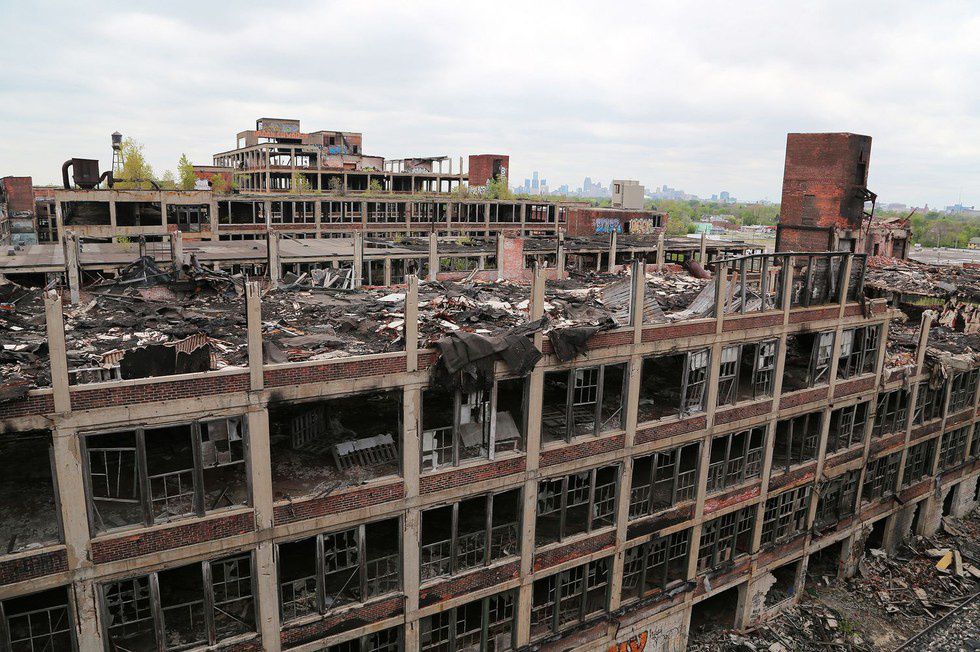
But how did Detroit get to its once bustling metropolis status? The rise of Detroit occurred roughly after WWI, when the automobile was brand new, and the sky seemed to be the limit. Perhaps this starry-eyed optimism was what caused a worse plight for Detroit; it certainly could not have helped, given Detroit's future route of over-dependency.
Also not helping the situation of Detroit is the complexity of its invested market itself, as it is much more difficult -- I imagine -- to adapt within a market as complex as that of automobiles when compared to simpler markets such as the steel industry of Pittsburgh.
Pride (rightfully) still remains with those of Michigan as they deal with what has in recent decades just been a bad hand. After the economic boom that automobile and other manufacturing companies brought to the state, it is shocking to see this abrupt economic decline. There still remains hometown pride among those of Michigan for those who have stayed, but the jokes and misfortune of the state are so commonplace that one day you almost expect to see a T-shirt that half-jokingly says, "I survived Michigan."
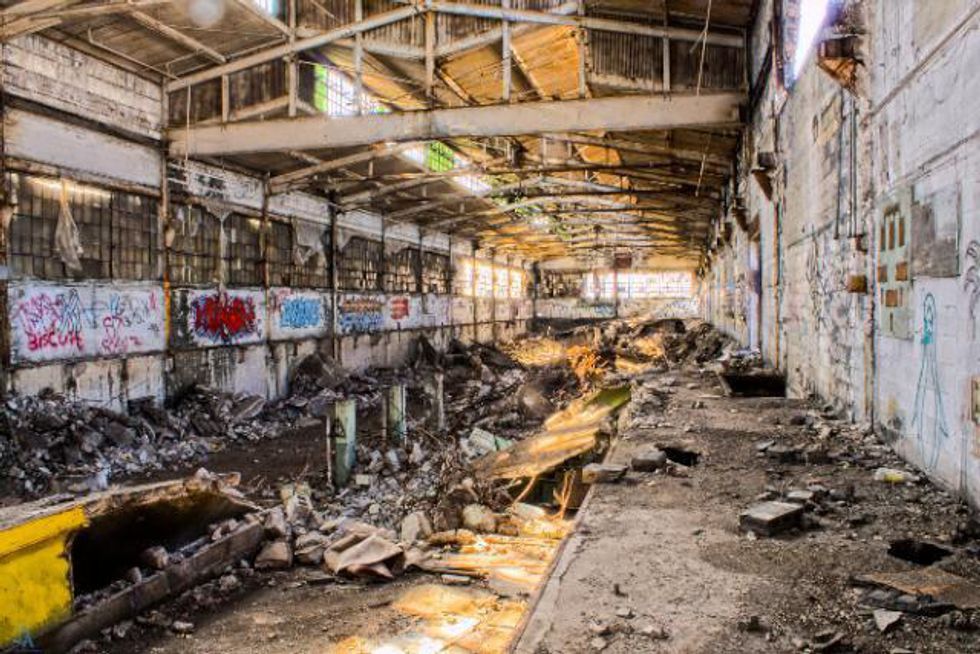
As far as the future of the state, that is anybody's guess, though it is likely that misfortune won't go away as quickly as it came, regrettably. Like with any state, there are structural issues, but the state also has to overcome a lingering negative perception that many outsiders have regarding the stability and adaptability of the state's economy.
La Dispute, a band from Grand Rapids, Mich., said it best in their song, "Safer in the Forest/Love Song for Poor Michigan" when they said "Tuebor, my home! Your desperate friend."