In honor of the upcoming Dia de los Muertos, the Detroit Institute of Arts (DIA) will display the “Ofrenda Altars Exhibit” from Friday, Oct. 24 to Sunday, Nov. 2. The event, included in the price of general admission, is ensured to be a colorful, contemplative showcase of work by local artists.
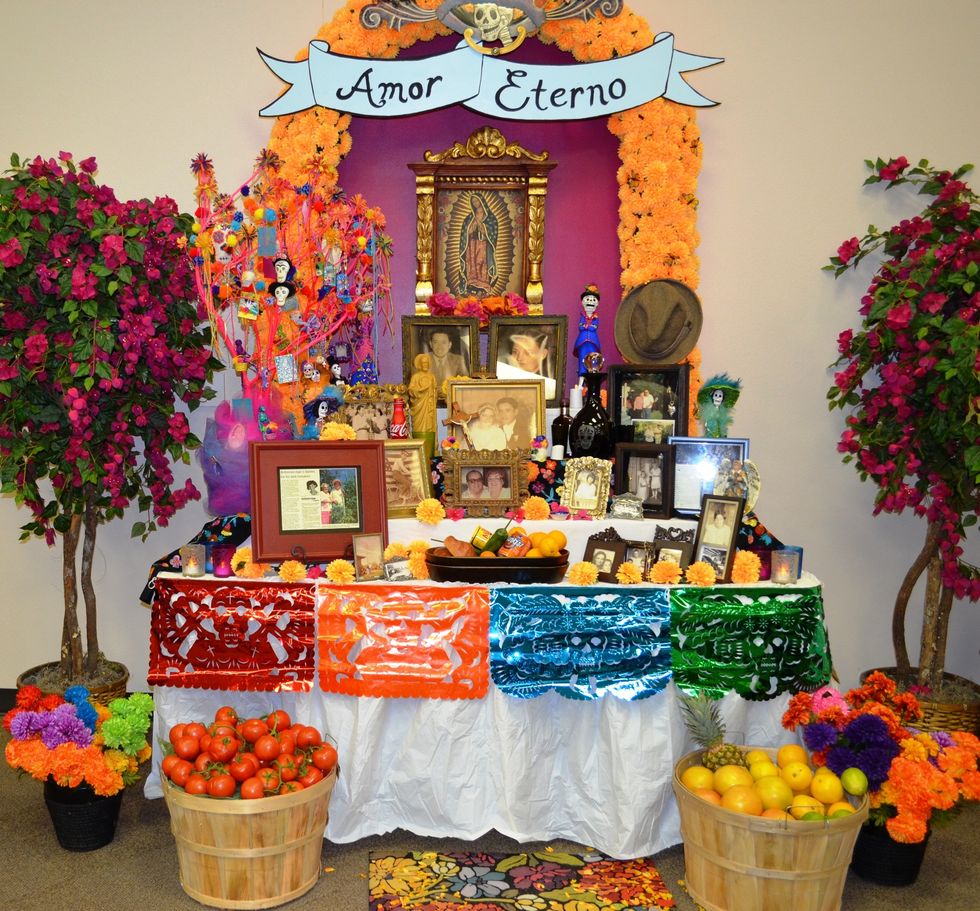
What is an ofrenda?
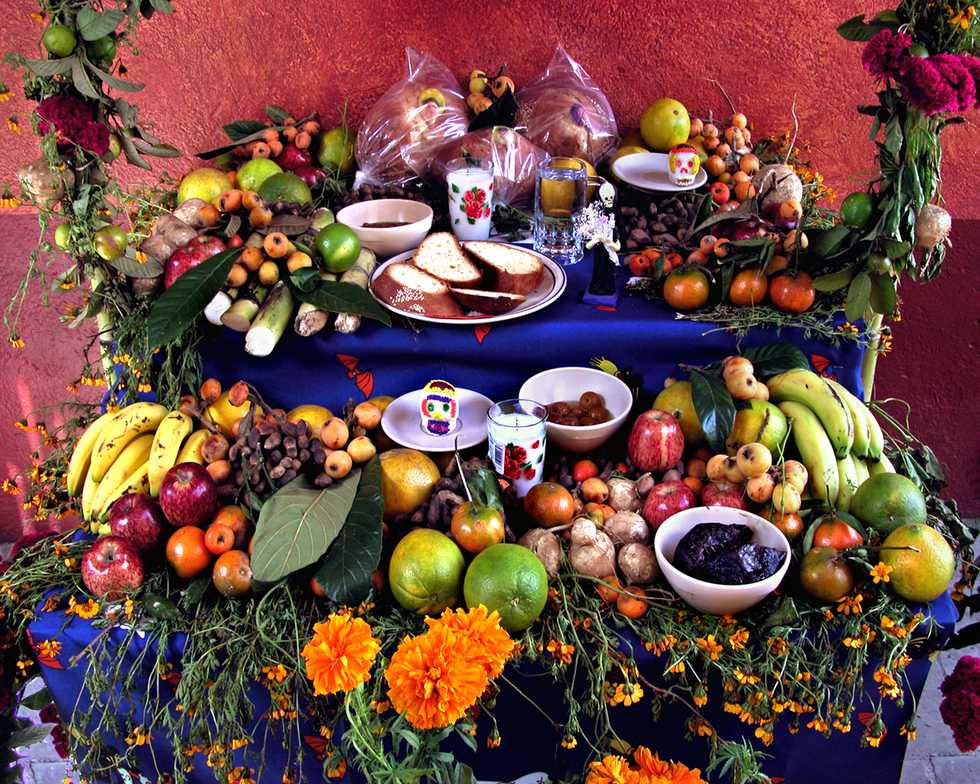
“Ofrendas consist of a collection of objects meaningful to the deceased and placed on altars as a welcome to those being remembered or honored,” says the DIA, “They are traditionally decorated with ornate sugar skulls, flowers, favorite foods, mementos and pictures of the deceased. Some contemporary versions pay homage not only to people but also to places, moments in time, ideas and events that people feel are worth commemorating.”
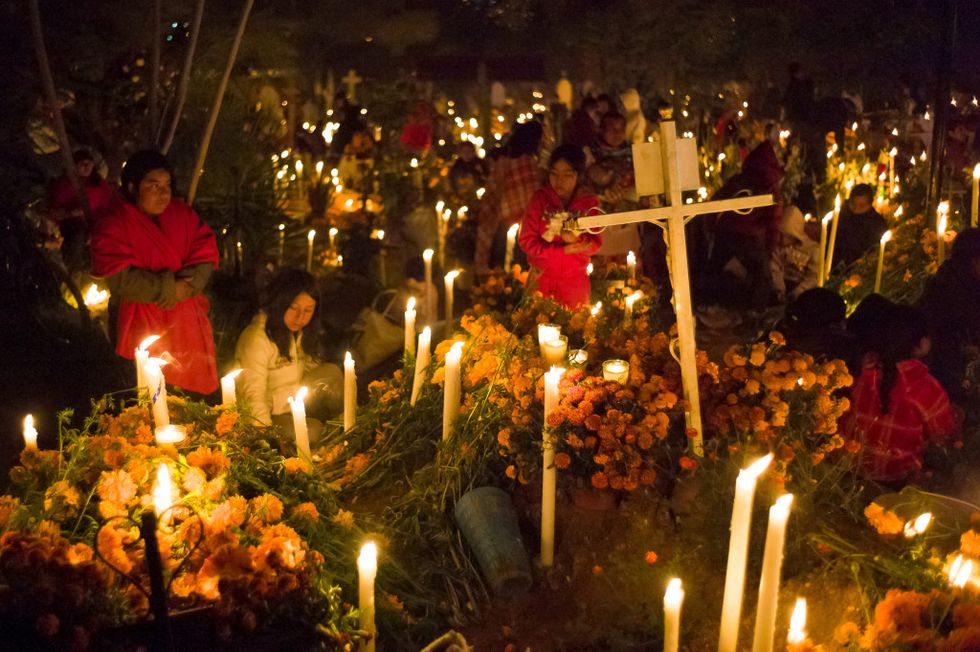
What exactly is Dia de Los Muertos?
Dia de los Muertos, is a Mexican holiday that honors the deceased and the duality of life with lively festivals and longstanding traditions. Although Nov. 2 is Dia de los Muertos, the holiday is celebrated from Oct. 31 to Nov. 2.
The holiday begins on a more serious note as families come together to honor their late family and friends at cemeteries and home with flowers, food, and meticulously decorated ofrendas. The second day, known as Dia de los Inocentes, is a special day of reflection for the children that have died. According to National Geographic, “graves are decorated with white orchids and baby's breath.”
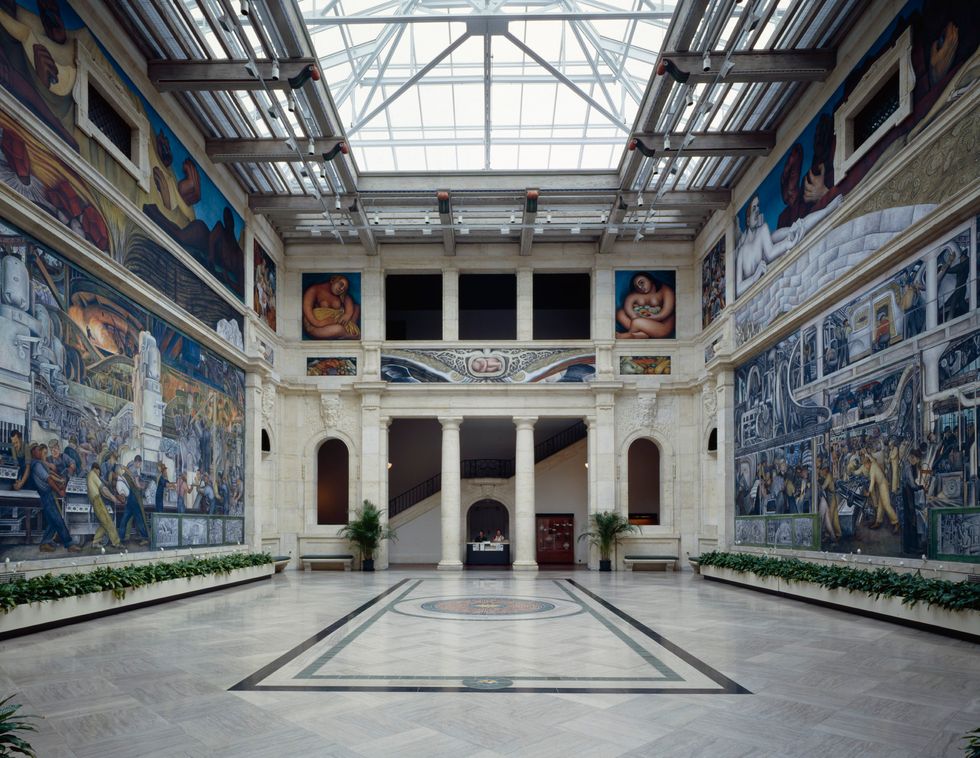
About the exhibit:
At the end of August, the DIA put out a call for ofrenda-design proposals. Selected artists were given a small stipend and compensated for the project materials, according to the institute’s press release. Ofrenda artists will also be participating in a public talk at the DIA about their pieces at 2 p.m. on the final day of the exhibit.
Altars in the exhibit are said to represent “the arts, science, politics and social activism; missing women in the towns on the Mexican-American border; pets; immigrants who died while traveling to the United States; Detroit’s abandoned buildings; and the United States Postal Service (USPS)” in addition to more traditional subjects of family members and friends, said the art institute.
The DIA also add that the “altars are constructed from a variety of media, including found objects, ceramics, seeds, photographs, sand, beads and paper flowers, and range in size from one foot to 10 feet tall.”
For more information you can visit the DIA’s event page.