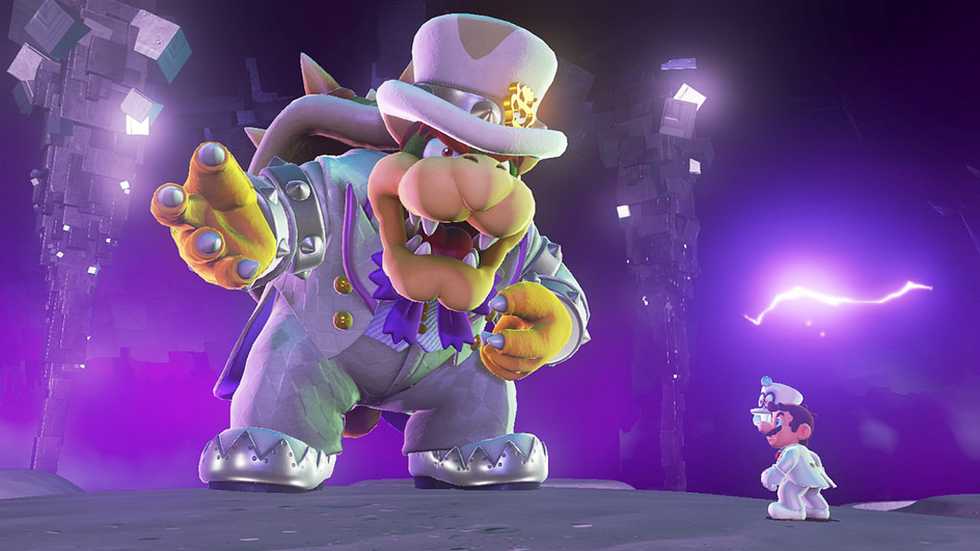
After the success of the Nintendo Wii and DS, Nintendo took a break from the spotlight to create the disappointment that was the Wii U. However, the legendary Japanese video game company has returned as a titan of the industry with the release of its new console, the Nintendo Switch, and an assortment of new games including The Legend of Zelda: Breath of the Wild and Super Mario Odyssey. What is it about Nintendo that allows them to operate the way they do? The company isn’t exactly known for being in-touch and communicating with consumers, so how did releasing another new console with a handful of new games turn out so well for them? The answer is simple. Nintendo makes good games. Their style is refreshing in an industry dominated by game developers who all make the same mistakes, and other developers would do well to take a page from Nintendo’s book.
Nintendo characters are some of the most iconic in gaming and boast some of the longest-running series. Mario first appeared in 1981, and yet he is the protagonist of the ninth best-selling game of 2017. The Legend Of Zelda is 32 years old, but Link once again appeared on the cover of the fifth best-selling game of 2017. One might think these characters would get stale after so many appearances, but it is Nintendo’s approach to making games that keep them fresh and exciting.
Most Nintendo games feature a new mechanic or idea that the whole game centers around. The first Mario game introduced us to and revolved around the jump. Super Mario Sunshine focused on the extra mobility added by the “F.L.U.D.D.” water device, and Super Mario Odyssey is all about the utility of “Cappy,” Mario’s sentient hat. Nintendo takes these simple ideas and builds whole games around them, often resulting in a much more complex game than a surface glance would suggest. For example, in Super Mario Odyssey, pushing a button makes Mario throw Cappy like a boomerang. If Cappy hits another character, Mario takes control of that character. This is a simple, intuitive function.
But Nintendo’s focused design soon leads the player to new discoveries. Taking over a character might unlock a new mobility option that Mario can use to reach a new area. Mario can even chain together hat throws, bounces, and leaps in complicated sequences to bypass entire sections of the game or find a hidden area full of secret coins. Super Mario Odyssey is a game that rewards ingenuity, and it enables ingenuity with a deceptively basic set of abilities.
In spite of their love for new game mechanics, when you zoom into a single game, Nintendo is religiously consistent thematically. Their Splatoon series is based on shooting and swimming in ink, so they designed the characters to resemble squids/octopi. The ink theme reminded them of spray-paint, so they game the game a punk '90s aesthetic, complete with skateboard park maps, a punk rock soundtrack, and backward baseball caps. The result is a game that is immediately recognizable and distinct from the rest:

Super Mario Sunshine is based on spraying water, so the entire game is set in a tropical paradise and a soundtrack full of bubbly marimbas. The Legend Of Zelda: The Wind Waker is an optimistic adventure game, so it was given inviting, colorful, cartoonish graphics that perfectly fit the game’s mood. The beauty of a Nintendo game is that everything just fits.
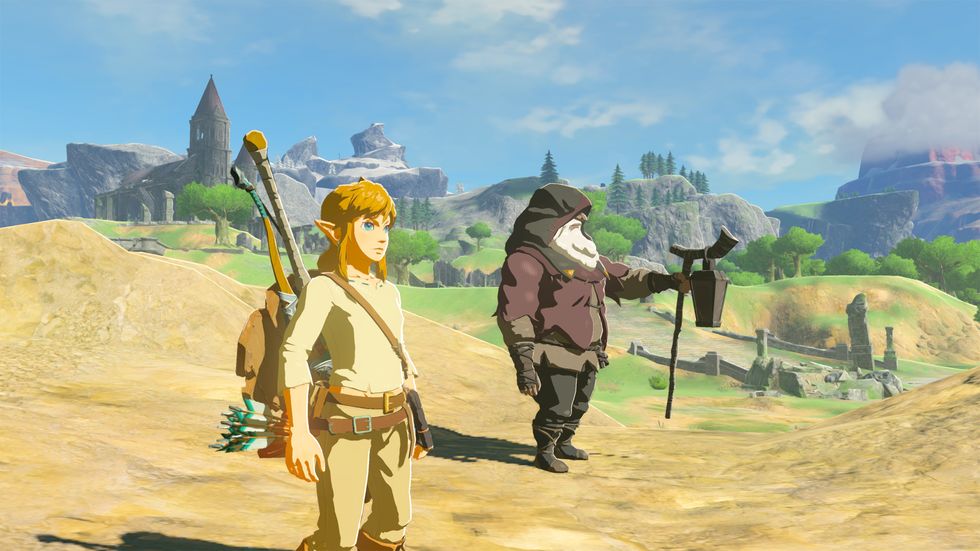
Speaking of which, graphics are another specialty of Nintendo’s. Despite their decades-long career of making them, few Nintendo games ever look dated (save for a few early 3D games, but those are still beautiful in their own way). This is because Nintendo favors artistic appeal where other developers focus on realism. Like an old movie with laughable CGI, a game build to look realistic will always age poorly, no matter how breathtaking the graphics seem on the game’s release. Nintendo, on the other hand, can’t get enough of bright palettes, solid colors, aggressive shading, and cartoonish designs. On top of making its games look fun, these games will always retain their visual charm and stand out from other games of the same genre. Take the newest Legend of Zelda game, Breath of the Wild. If the game was made with realistic textures and lighting and was stripped of its Zelda title, it would look like every other open-world RPG on the market. But Breath of the Wild features interestingly designed cartoon characters, playful cel-shading, and simple colors. The game’s graphics are refreshing to the genre and even make the game instantly discernable from other Legend of Zelda games. And the game is beautiful to boot.
Nintendo’s game design philosophy trickles down through every aspect of making a game, and it shows. Gameplay mechanics, graphics, music, sound design, story, and character design all work together to create a cohesive experience that can stand on its own for decades to come. Nintendo games are deceptive in their simplicity, but when you take a closer look, its easy to see the love put into every second of the game.
If you’ve made it this far, chances are you like video games (or you’re my mom). This article was largely inspired by video essays made by Mark Brown, a former games journalist who puts out thoroughly informative and well-researched video essays on video games, specifically related to game design. If you’re interested in the thought process that goes through a game designer’s head or what makes good games good, I suggest you check him out. Here are some links to the videos that helped me write this article. Cheers!
The Design Behind Super Mario Odyssey
Legend of Zelda: Breath of the Wild – An Open World Adventure