

To add to the discussion in my article "A Heroine in Love," I wanted to share a piece I wrote in college called "Defrosting Feminism."
Today I want to have a conversation about what makes someone a feminist, what makes someone a good role model, and what makes someone admirable. More specifically, do the Disney princesses fall into any of these categories?
I wondered this, so posted on a few different groups I am in on Facebook – two local women’s groups, a Disney fan page, and a “coffee shop” type group of women from all over the country. Over all, I received great, thoughtful responses, and I thank the contributors for that.
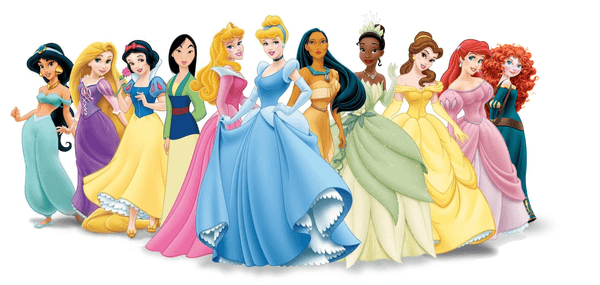
Personally, I see positive qualities in all of the Disney princesses. Cinderella dreams big and stays positive even in the face of tragedy and when others don’t treat her with respect. Snow White is kind to animals and strangers. Ariel stands up for herself and goes after what she wants. Pocahontas puts her family first. Tiana works hard. Rapunzel tries new things even when she is scared. Mulan is selfless. These are all traits and lessons that when portrayed in films, should be empowering to children. But when I talked to parents about the Disney Princesses and what films they like and don’t like, one film stood out among the rest: Frozen. Not only do kids love it, but moms love it, too.
One mom said,
“I absolutely LOVE Frozen because the story specifically doesn’t rely on a prince to sweep you off your feet and take care of you. In fact – it goes above that and the prince is the bad guy! Just goes to show you someone that may look like a catch, may not be something worth being caught!”
Another told me:
“I like Frozen, particularly because it shows sisters sticking together – I have two girls. I also like that the guy is not the savior.”
And yet another chimed in on the sisterly love and the guy not saving the girl, and even said she has chosen to not show her daughter the other princess films:
“I like Frozen because it’s the sister’s love that saves her instead of a prince. So far my daughter watches Frozen but I have avoided the other princess movies. I know she is going to see them eventually, but I don’t like it because I don’t like the message of the princess needing to be rescued by the prince.”
The media has often praised Frozen for being a very progressive, feminist flick. Since its debut in late 2013, it has been a wildly popular – literally Disney’s most successful film yet.
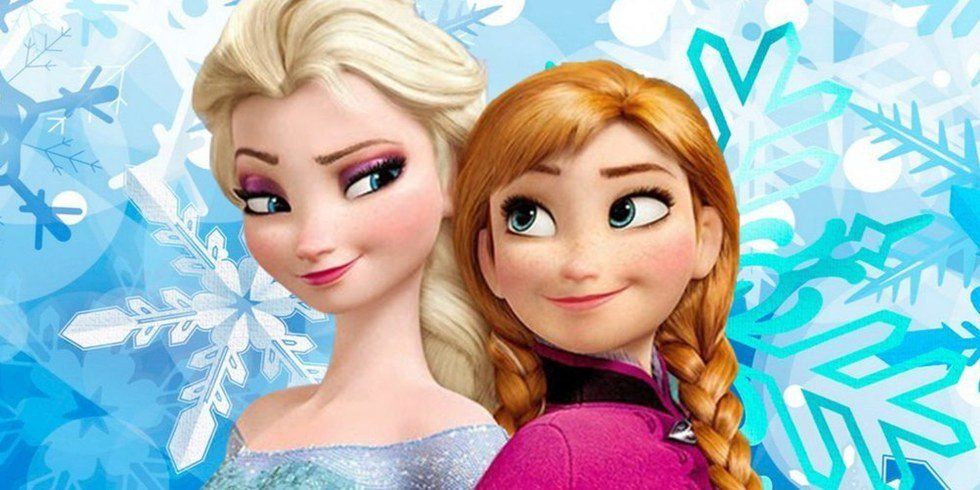
In case you’ve been living under a rock these past couple years, the story is based on Hans Christian Anderson’s The Snow Queen. Frozen is the story of royal sisters Anna and Elsa. Elsa’s powers of ice and snow get her into trouble when she turns the kingdom of Arendelle into a permanent winter. She flees, and Anna must go on a journey to bring back her sister and help save the kingdom. Along the way, she meets sarcastic Kristoff and his reindeer Sven, and a goofy snowman named Olaf. An evil prince named Hans tricks Anna into falling for him, and then attempts to kill the sisters and take the kingdom for his own. Anna stands in the way of Hans’ dagger and saves Elsa, Anna turns to ice and then Elsa’s love for her brings her back to life – true love melts her Frozen heart. So, yes, the sister’s love for each other does save the day. But get this, Kristoff and Anna are together in the end, so I’m not sure why that always slips people’s minds.
This is part one of a two part article. You can read part two here.

















