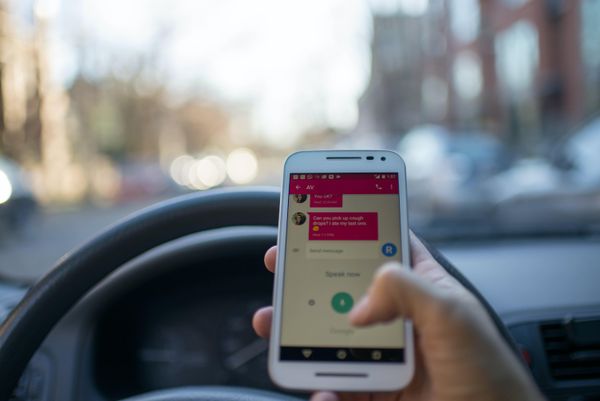
In an age where there is the possibility to have a car enabled with Wi-Fi as a standard option, the risk of drivers becoming distracted by technology, especially cell phones, is ever present. However, countless ways have been thought of to combat the distracted driver: apps that don’t let you use your phone while the car is in motion, automatic messages that tell others that you are driving, and campaigns that show the risks of distracted driving. All these methods seem, for some odd reason, to resonate poorly with drivers, especially young ones. The exact people who are concurrently the most inexperienced and at risk of accidents due to distracted driving. Where would a successful solution come from? I found the answer in something that has already been around for give or take 100 years.
When I first learned how to drive, I used my mom’s car: Snapchatting, texting, and calling people all the way down the road. I had one hand on the wheel and other tapping away at unnecessary nonsense. It was only until I started to drive my father’s car that all this phone use began to stop. Completely. The key difference is that, unlike my mother’s car, my father’s car is a stick, a manual transmission vehicle. For those of you who are not familiar with a manual, partly because so little cars are sticks these days (only 3.9% of new cars sold last year were sticks), a manual transmission is where the driver physically has to change the gears the car is in. This is unlike an automatic transmission, where the gears are changed… well… automatically.
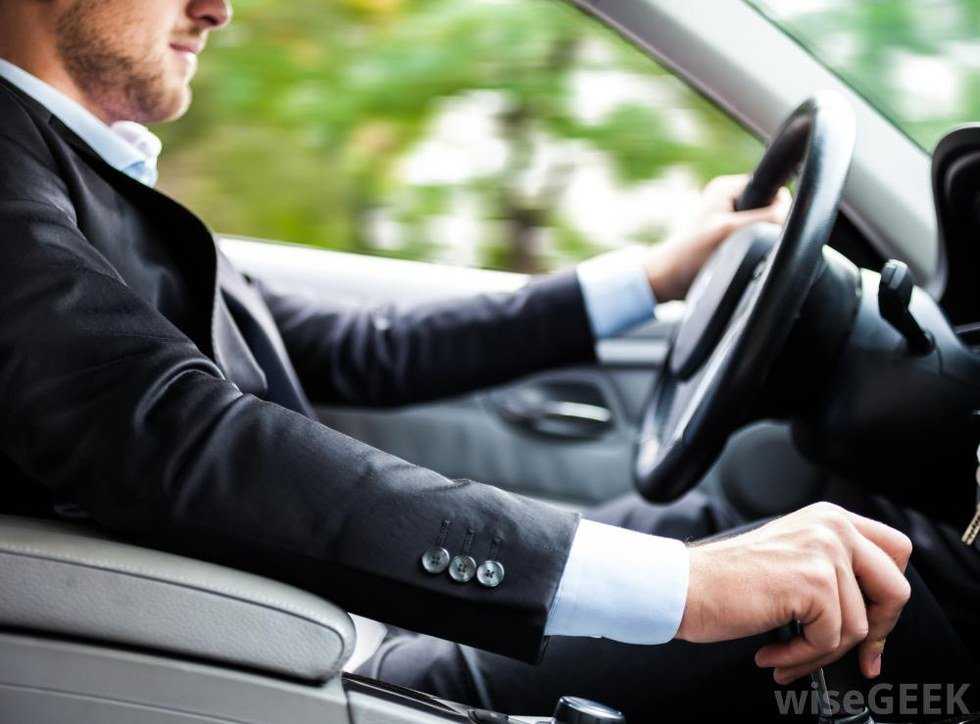
This is my solution to the distracted driver epidemic. Not only is a manual transmission more fun to drive, it makes drivers on the road safer. Because a manual requires constant attention while driving (downshifting when slowing down, upshifting when accelerating, feathering the clutch when accelerating out of a complete stop), there is no room for error. To be distracted while driving a stick, may cause the car stall (misuse of the clutch that causes the engine to cut off because not enough gas is reaching it) and trust me, you do not want to stall, especially at a busy intersection. It also helps that in order to operate a manual, two hands are necessary: one hand on the steering wheel and one on the gear shifter. Constant adjustment of the gears while driving barely allows the operator to change the radio station, let alone check their Snapchat story. Driving a manual requires the operator to be more tuned into what is in front of their car, not what is in their hand.
I'll admit it, I’m a car enthusiast. Going to the Charlotte Auto Show for me is like a pre-teen girl back in 2009 going to a meet and greet at a Jonas Brothers concert. So, I may be a little biased to what I consider the “purer” form of driving, but my argument does hold truth. Driving a manual transmission vehicle requires from the operator what an automatic transmission cannot offer, the drivers full and uninterrupted attention.