

Every three to four years, the media becomes engulfed in campaign coverage and propaganda, and this past year is no exception. The 2016 Presidential Election’s media coverage structure that accommodates the candidates has lifted some of the publicity from policy issues that used to be the core of debates.
Rewind to 2013. Think back to all of the public policies that had (and keep) Congress divided. If you recall, one of the most prodigious discussions that could be heard at dinner parties, grocery stores and self-proclaimed “foodie” blogs was the one surrounding Genetically Modified Organisms, or GMOs.
Many people have a lot to say about GMOs. But some who seem to have the most deep-rooted opinions are those who remain the most woefully ignorant. Of course, everyone values different facets of the GMO industry. Whether your chief concern is safety, cost efficiency or food security, there are credible arguments for both sides. Here are some of the more commonly discussed aspects, highlighting angles of support and dissent:
Safety
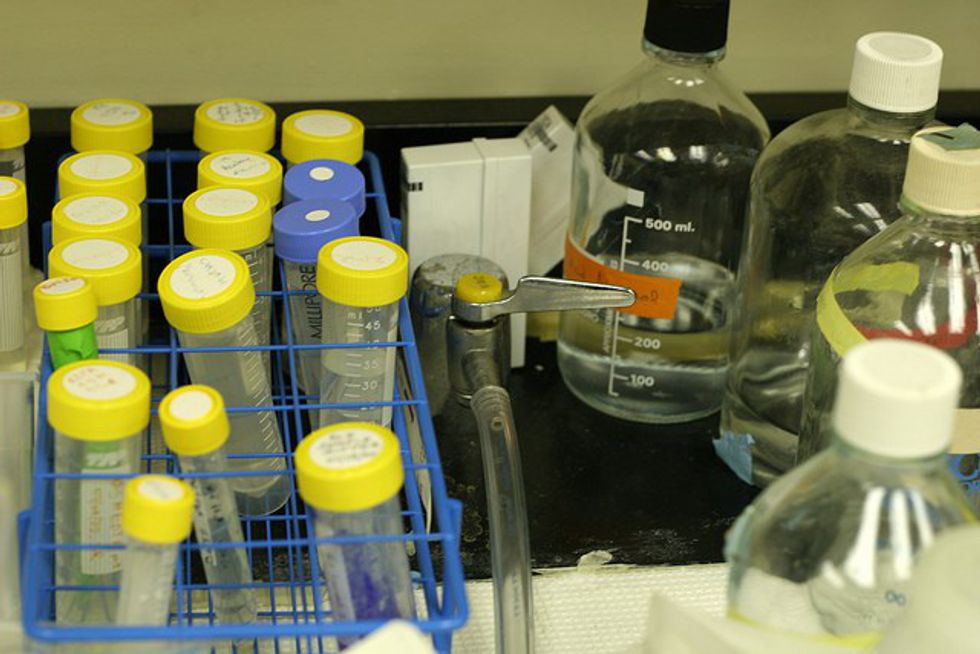
Pros: Well, the fact of the matter is that there is no inherent difference in the physical ingredients of GMOs. DNA is present in all living things, and the four nucleotides (adenine, thymine, cytosine, guanine) that are used as the building blocks of DNA encryption remain the same. What happens during modification is that the preferred genes are selected and certain nucleotides are switched in order to manifest the traits that yield better foods. There is no introduction of a foreign substance into the food whatsoever.
Cons: While the switching of nucleotides sounds innocent enough, many people claim that there have not been enough studies conducted to ensure the true safety of these organisms. Although genetic engineering has existed for a very long time, the modern mechanisms that are prevalent today have not been present for enough time to document their long-term effects. There are many concerns about the seeds of GMO products mixing with non-GMO crops, because they could lead to cross-pollination, contamination and even the possible emergence of super-weeds and super-bugs that are resistant to most herbicides and insecticides.
Environmental Impact
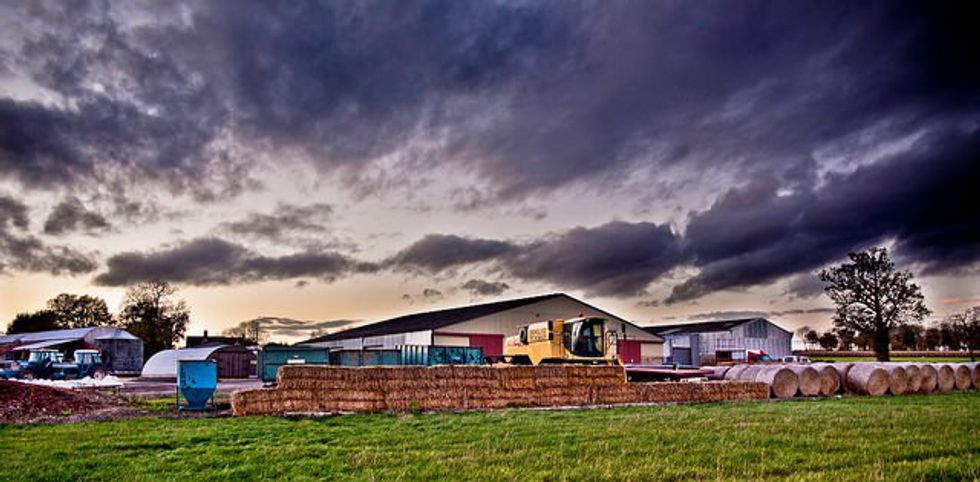
Pros: Agriculture is often overlooked when we talk about things that damage the environment, and for good reason. It’s a necessity for our species to live, is it not? But if we look at the practice objectively, we note the clear cutting of forests to make room for arable farmland, the runoff that contains artificial herbicides and insecticides, and the rising rates of air pollution. GMOs help to combat these by yielding higher amounts of better quality crops, while reducing the use of fertilizers and pesticides.
Cons: Insect-resistant crops have proven to be detrimental to ecosystems by sometimes targeting species that are beneficial to their habitats. Many cases in which Monarch Butterfly populations are affected by GMOs have arisen, prompting concerns for other species that could be susceptible to dangerous effects of these altered foods. Meddling with nature in unnatural ways could prove to be the beginning of a genetic-mutation powered materialization of undesirable and aggressive species that are more defensive against classic methods of extermination.
Allergies

Pros: With the prevalence of people with severe allergies rapidly increasing, GMO companies have pitched the idea that foods could be modified to reduce allergens. The crops can be grown with their allergy-inducing properties removed, thus making nuts, eggs, shellfish and many other common allergens an accessible food source for everyone.
Cons: While the genetic removal of allergen properties is a tantalizing thought, GMOs also have the potential of increasing allergic reactions. Added proteins or altered genetic composition may add an extra layer of chemical properties that cause allergies or intolerances.
Food Security/Increased Food Demand

Pros: Our population is not remaining stagnant at 7 billion; it is estimated that by 2050, the world’s population will have inflated to approximately 9 billion, making it imperative that our global food sources are stabilized and providing enough to sustain everyone. Since GMOs can be engineered to require less materials to grow while also yielding higher numbers of crops, people believe that it’s the way to go in order to combat the increased demand.
Cons: As is the case with many other commodities, there are arguments that GMO manufacturing would primarily benefit northern, developed countries while being detrimental to small farms. In tandem with these disputes is one that states that food security is reliant on equal distribution of food, land and opportunities for money. Although the economic research is still premature, it is indicative that larger companies in the Western hemisphere would indeed enjoy more profit than those who own local agricultural businesses.
Labeling
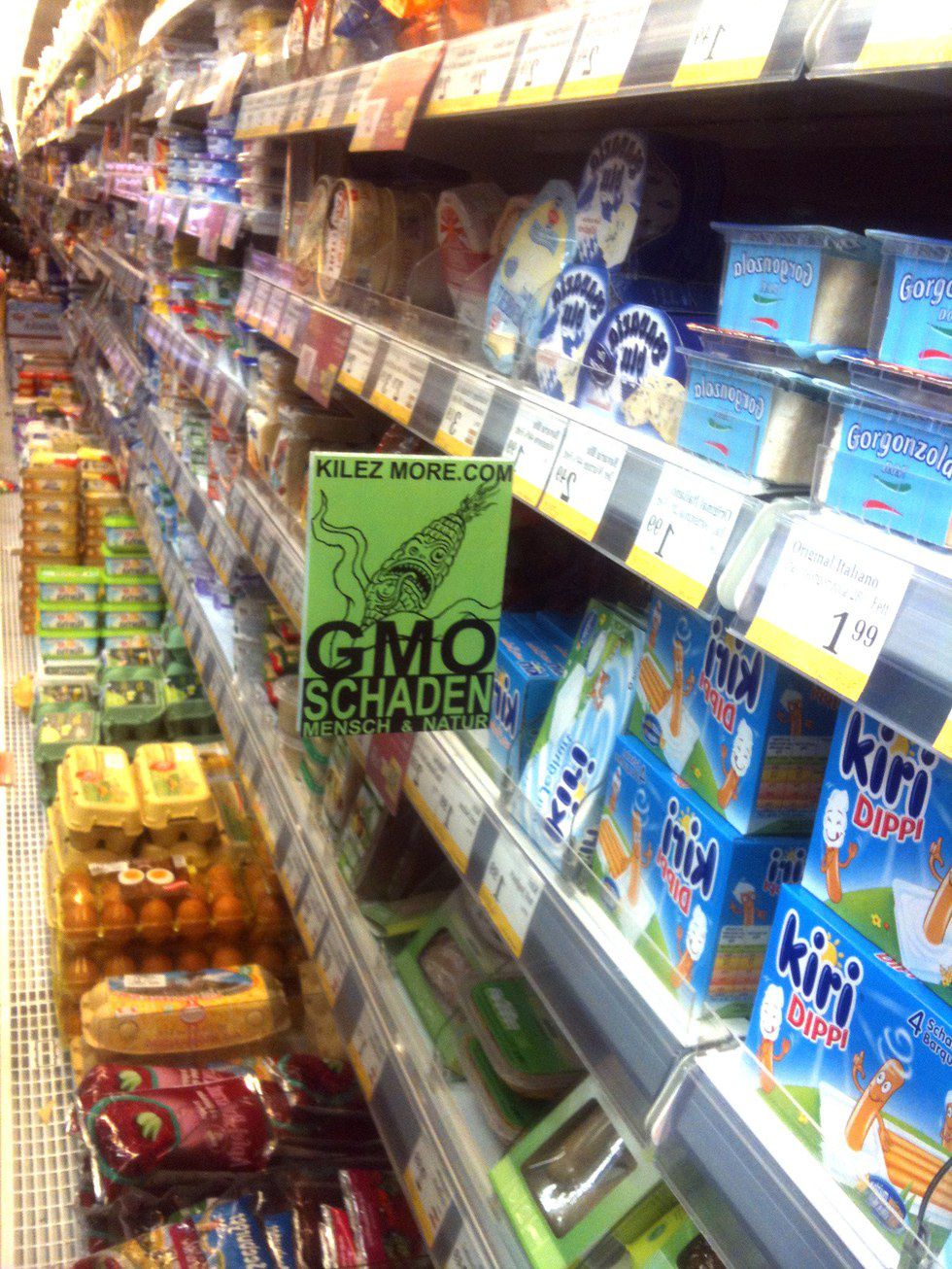
Should GMOs be labeled as such when they are on store shelves? Is it necessary to tell the consumer that what the process is behind what they’re eating? There are a myriad of answers to these questions, articulated not-so-delicately by both parties. However, I found an answer in The Washington Post that aggravates neither side, which is that “[people falsely say] labelling GMOs is unnecessary because these food are all safe. This argument misses the point. If GMOs were dangerous, the FDA wouldn’t label them, it would ban them.”
While there are many different factors that fuel the debates between pro- and anti-GMO groups, there is evidence that can support both. While more experiments and research are being conducted, what are your thoughts on GMOs? Are they the future of food sources, or are they too harmful to the health and economy to be sustained?

















