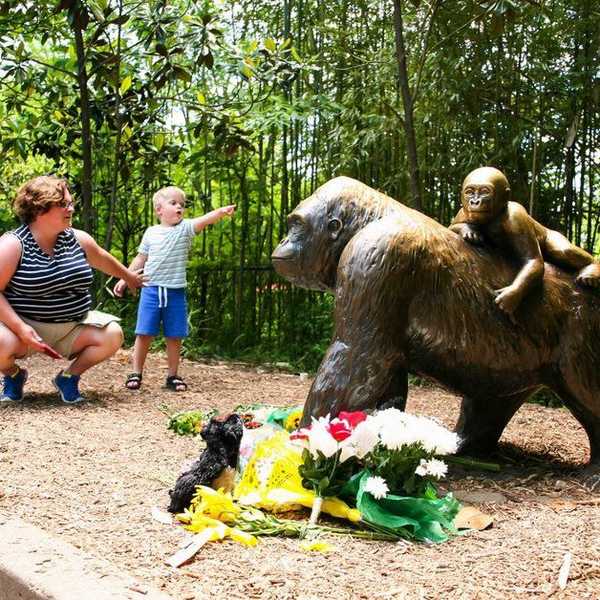
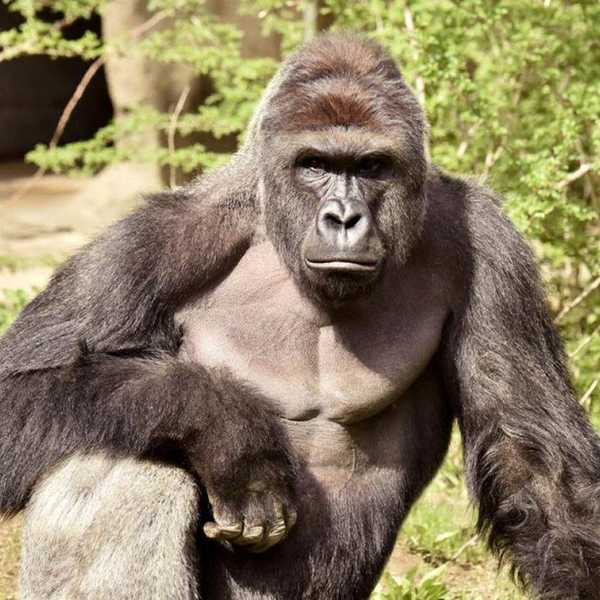
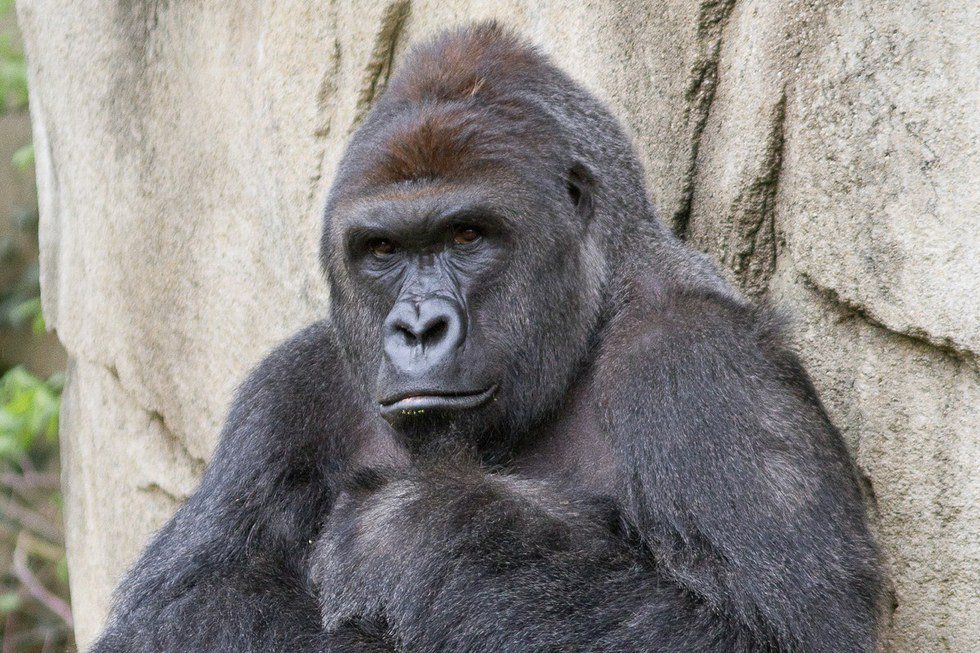
After a 3-year-old boy fell into the Gorilla World enclosure at the Cincinnati Zoo on Saturday, May 28, 2016, zoo officials had to make a tough decision to shoot and kill a 17-year-old male gorilla, Harambe, in order to save the child. Videos have been released showing Harambe standing over the child and dragging him around the moat in the exhibit while zoo goers and spectators frantically yell and panic for the child. Since then, a lot of public backlash and outcry has come about due to the gorilla's death, and many people have jumped to their own conclusions and opinions on whose fault it is, what they believe the zoo should have done instead, and how there should be laws in place to prevent this from happening; however, there are many different things that need to be understood and considered in the event before putting the zoo or family under fire.
If you would walk through the accident, first many people want to blame the mother for “neglecting to care for and watch over” her child. I have personally read so many peoples’ posts about how terrible of a mother this woman must have been to allow such a thing to happen or that there is no way she was properly watching her boy. But, I rightfully disagree with all these people, and here’s why. Children are curious, quick, and sneaky. They want to see how far they can go without getting in trouble, and they want to explore because they don’t know everything that is out in the world. For example, most of you probably think you have a great parent but if you asked them if they had ever “lost” you or your siblings when you were younger, they would probably say yes. Whether you wandered off in the grocery store, you were sitting behind the bushes at the park, or you were hiding in the closet in your room, your mother or father had lost sight of you for a moment although they were keeping close watch on you. Children can slip away in the blink of an eye without parents even realizing it, and the little boy who fell into this enclosure did just that before his mother even knew it. So, if you are not a parent or have never had to look after children this young and don’t understand how easy it could happen, then you may want to rethink the criticisms toward this mother.
Next, I’d like to wonder whether or not another zoo visitor had seen this unfolding and didn’t act quickly enough and step in to get the boy. It was a beautiful Saturday in May when this happened, and by the crowd yelling in many of the released videos, other people were definitely around the exhibit when it happened. So, had anyone around possibly seen the little boy slipping away through the wires but didn’t say anything because it wasn’t there child? It’s a great possibility, and it is hard not to question if a bystander was near enough to see it happen, but not concerned enough because they thought it wasn’t their responsibility? Just being a good person with good moral character, if they had seen it, they should have tried their best as well to help the mother out and get the child.
People have also wanted to put huge blame on the zoo for making it possible for this type of thing to happen. They say there is no way it should have been possible, but the zoo was clearly unaware of the likelihood of it. The Cincinnati Zoo has argued that a barrier breach had never even come close to happening since the opening of the exhibit 38 years ago, so they did not realize that it was easy enough for a young child to wiggle in. Enclosures for animals in captivity are created to make it as much like the wild as they can while still keeping visitors safe. The boy who was able to get into the area after getting through a fence railing and under wires before getting over the moat wall and falling ten feet into the moat of the gorillas’ habitat, which the zoo did not know that it was so easily capable for a child to do.
After the boy had fallen into the enclosure, people argued that Harambe was “protecting” him, and although that may have been the gorilla’s intention, 400 pounds versus 40 pounds is no match, and the gorilla didn’t realize that what he was doing was actually harmful to the young boy. Dragging him through the moat as if he was just a toy, however, is not an act of protection and is one major reason why action needed to be taken quickly to save the boy and make sure nothing else happened to hurt him. All the screaming, yelling, and panicking coming from the crowd around the exhibit could have caused much of the agitation and aggressive behaviors of Harambe as he was not used to all that noise from visitors which lead him to begin harming the boy. Zoo keepers and the Dangerous Animal Response Team at the zoo agreed that the gorilla’s actions would have been unpredictable, and it was a very tough decision to make to rescue the child. The public has questioned why the gorilla wasn’t simply tranquilized rather than shot to allow the boy to be saved, but tranquilizers do not work in an instant. It can take a few minutes up to fifteen minutes for it to set in and take effect, which may have been too long for the boy. The dart may have also aggravated Harambe even more, causing him to do more damage or harm to the three year old. In order to be quick and not allow anything to become even more dangerous than it was, the response team had to make the choice to shoot and kill the gorilla in order to make sure the boy’s life was no longer at risk.
The public outrage is appropriate in that it is a terrible accident that had to end in an unfavorable way for the zoo and Harambe, but many have made it seem as if they would have rather let the boy die than the gorilla. The lowland silverback gorillas are an endangered species, and the zoos are trying to save them from becoming extinct, but in the situation, they had to put human life first. Although many people completely disagree with all the actions the Cincinnati Zoo took to address the circumstances and rescue the little boy from the gorilla exhibit, I believe what happened was necessary to make sure the young child was not also killed. Had Harambe killed him while he was in the enclosure, the zoo would have had to make a tough decision about what to do with the dangerous animal, and he could have still died in order to keep zookeepers safe from the aggressive animal.
So you may wonder whether everything was necessary or if the right actions were taken, but with such a serious and dangerous situation and all things considered, the zoo made the right choice and I stand by the decision of the Cincinnati Zoo.