The United States and Cuba have a very long history with each other. They became acquainted during the Spanish-American War, which was only fought during the latter months of 1898. Cuba has been in a long, brutal battle for independence from the Spaniards since the 1860s. The United States decided to get involved in the war as a result of Spanish aggression towards the USS Maine in the bay of Havana. This resulted in the United States deploying its ground forces. In the end, Spain surrendered, and the United States retained control over Cuba.
In the following years, Cuba was put together by a very tenuous governmental system, which resulted in heavy partisanship. Extreme nationalism started to rise in the 1930s, and in the 1950s, Fulgencio Batista executed a coup, which resulted in the shift of power in Cuba. At first, Batista seemed alright, and he claimed he would respect the constitution and not run for reelection in the 1940s, which he did. Despite another leader being elected, Batista conducted another coup d'etat to retain the power of Cuba's government.
One of his first lines of business was to outlaw the Cuban Communist Party. After more reforms, Cuba became reliant on other countries, and this resulted in it being largely impoverished. This is where Fidel Castro comes in. He led the July 26th Movement, when a group of 80 men boarded the Granma and set sail for Cuba. With massive casualties, Castro took Cuba, and the rest was history. We all know about the Cuban Missile Crisis, and we know that Cuba has been isolated for over 50 years.
Now, the times are changing, Obama has started the process of normalizing relations with Cuba, and Fidel Castro just died. All of this is culminating in massive changes in Cuba, some for the better, and some for worse. Most recent articles on Cuba discuss the principles of Castro and what he did as a leader for Cuba, but this article is focusing on the Cuban environment at large-- most notably, the ocean ecosystems that surround Cuba.
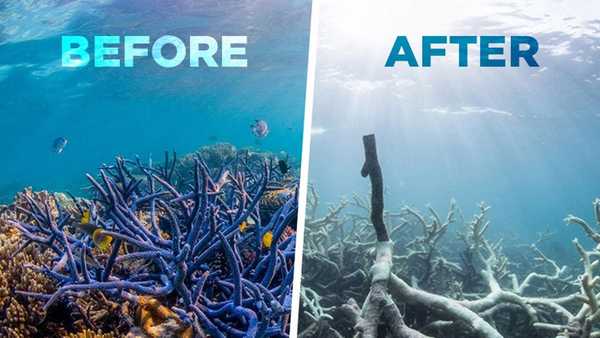
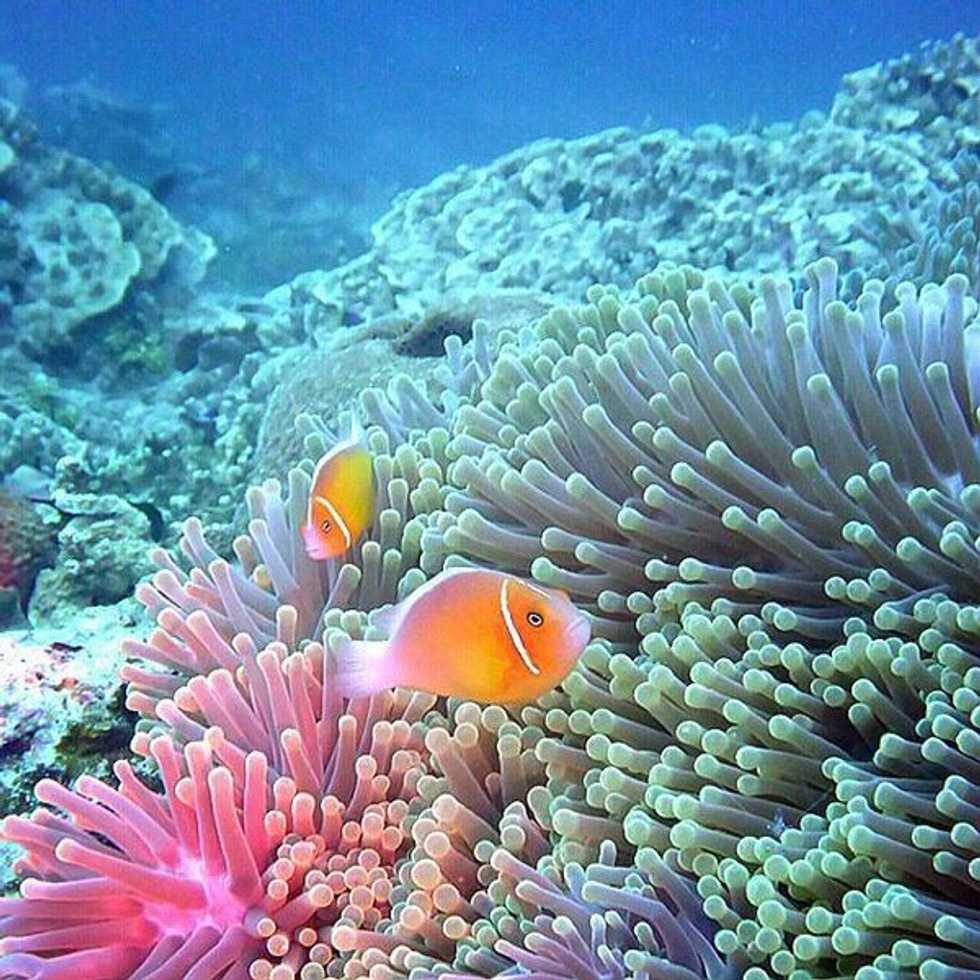
As places like the Great Barrier Reef are dying, ocean ecosystems are becoming increasingly sensitive to disturbance. Just a few miles off of the coast of Cuba is the Gardens of the Queens, which is a massive coral reef. Castro was always staunchly for protecting the ecosystem, which is very important for hundreds of fish species. Reefs are living systems that provide homes, food, and breeding grounds for all sorts of marine life.
One marine species in particular trouble is Elkhorn coral, which, according to the National Oceanic and Atmospheric Administration, is 95 percent extinct in the Caribbean. A lot of people are speculating what impacts will come with allowing tourists into Cuba en masse.
Oliver Houck, a professor of environmental law at Tulane University Law School said, “an invasion of U.S. consumerism, a U.S.-dominated future, could roll over it like a bulldozer” when the embargo ends. This is largely due to the increased traffic of things like boats and other transportation that would not regularly be operating that close to Cuba. Ultimately, Cuba is changing, and now it faces the question of how to maintain good aspects of the old regime while, at the same time, adding new progressive policies.