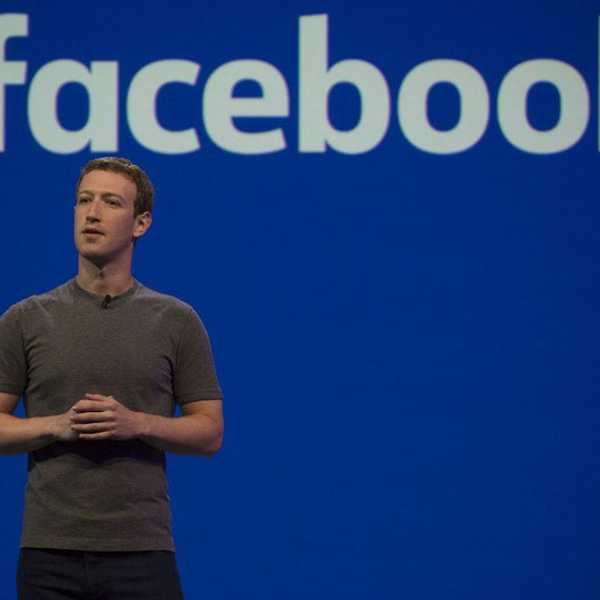
This morning, I opened my laptop to start my daily routine of submerging myself in social media and opened up Facebook to see what the day’s headlines were. After going through the various notifications and messages I had yet to respond to, I scrolled up to see what the Internet was buzzing about underneath the “Trending” section. The first three “top trends” were as follows: “Harry Potter”-based website Pottermore re-releasing its “house sorting” quiz for fans of the series, actor Ewan McGregor discussing his voiceover role in the new “Star Wars” film with Jimmy Kimmel, and Netflix signing on to a reboot of the beloved TV series, “Gilmore Girls.”
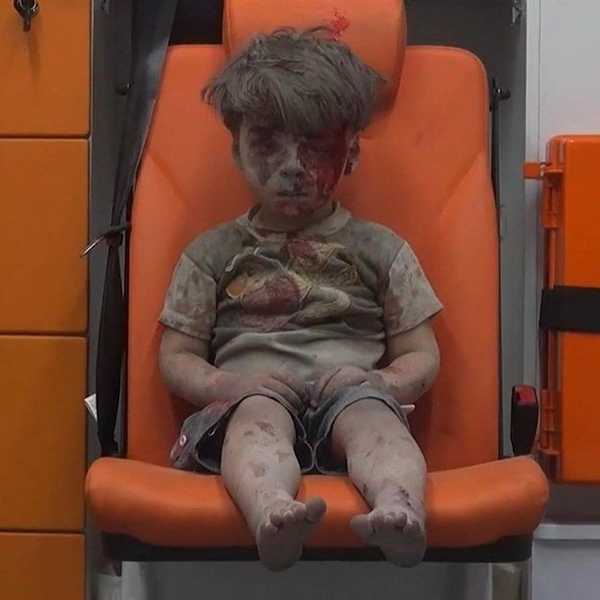
As a fan of all three of these topics, I clicked on their respective links to read more about what was going on, when I saw a post on my news feed pop up about the ongoing Flint water crisis. I will admit that before reading the article, I was fairly unfamiliar with the situation going on in Michigan, but by the end of reading it, I came to question just why this crisis wasn’t the top headline of every social media network. There are so many events just like this one that happen across the world every single day: the Chibok schoolgirls kidnapping by Boko Haram that is still unresolved, the ongoing Syrian refugee crisis which has taken at least 40 more lives in their effort to find asylum, the recent rescue of four Chinese miners who were trapped underground for 36 days and countless more stories. Why aren’t these the headlines that we see on Facebook?
Just because we don’t hear about something doesn’t mean that it isn’t happening. However, it is social networks like Facebook that have the power to influence our awareness of what is going on in the world around us, and their perception of importance and relevance is geared towards pop culture. Why? Because our society prioritizes gossip and scandal over global crises and international affairs. American culture is a bubble of flashy tabloids and 15 minutes of fame. People are so hungry to latch on to the next underground trend or recent celebrity feud that they fail to notice the larger, more alarming issues taking places both in the United States and across the world. Even when these issues garner attention, there is so much news circulating constantly that they quickly fade into the outdated and forgotten amid the next cycle of breaking headlines.
Facebook isn’t to blame for the public’s lack of knowledge about what’s going on in the world. However, it does have the ability to push these issues to the forefront and get its users to use their social media influence to do something to help or change what’s going on. In December 2015, “Humans of New York” creator Brandon Stanton created a petition to help bring a young Syrian refugee named Aya and her family to the United States for asylum, which over a million people have signed as of today. It is actions like these that truly make a difference in what occurs globally on a day-to-day basis.
So maybe the problem isn’t the format of what’s trending, but rather the trends themselves. After all, we’re the ones who are making these things trend in the first place. But are these topics worth talking about? Will the world be significantly impacted by the Twitter feud between Kanye West and Meek Mill or by the fact that if all the ice in Greenland were to melt our sea levels would rise by more than 21 feet? It’s time to stop sensationalizing fleeting one-liners and start looking at the bigger picture. There is so much to talk about out and only so much time; let’s focus on what really matters.