You’ve likely heard of micro-aggressions before, even if you haven’t heard the word “micro-aggressions” itself. But what exactly are they?
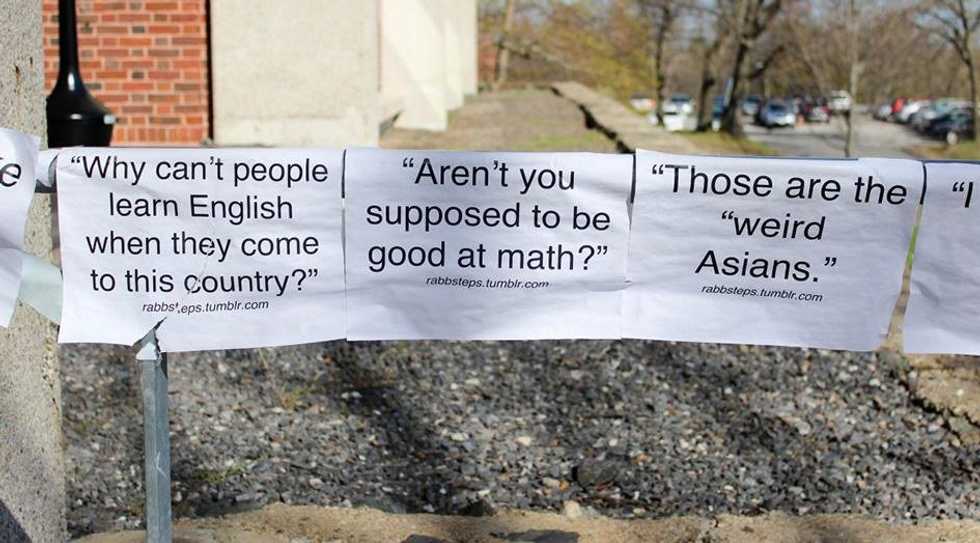
According to Psychology Today, micro-aggressions are “the everyday verbal, nonverbal, and environmental slights, snubs, or insults, whether intentional or unintentional, which communicate hostile, derogatory, or negative messages to target persons based solely upon their marginalized group membership." It’s important to note that often times, these aren’t intentional, but rather a result of people being raised with so much privilege and lack of exposure, they have developed a strong sense of self-entitlement that they may not even notice. That doesn’t mean individual behavior ought to be excused completely, only that it’s important to keep in mind that micro-aggressions are taught behaviors which are ingrained in our society and most of us have displayed them without even knowing it.
It’s easy in our modern culture for many people to completely ignore the damage of micro-aggressions and claim those who call them out are “too sensitive” or to blame “political correctness” for the downfall of society. Problem is, when people do say that, they are essentially implying their frustration over not being allowed to treat others who are different from them with disrespect. Instead of taking responsibility, they deflect the blame onto others. For example, there’s a lack of understanding that when you ask a person of color “where they’re really from?" you’re implying that because they aren’t white, they somehow cannot be American.
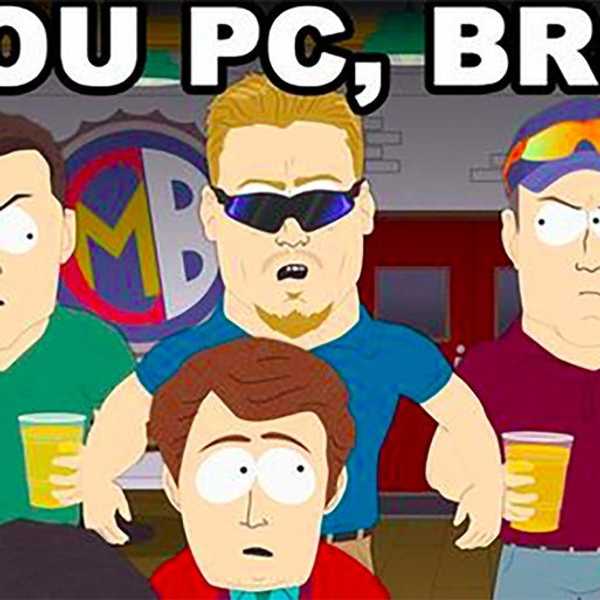
You might wonder why these types of examples are considered to be so harmful; after all, they’re only words. Here’s the issue though: Language and words are powerful. In addition to that, racism, sexism and homophobia are still prevalent in American society, but are not as obviously visible. We have racism, but the second you call somebody racist, they become extremely defensive and might even continue to use micro-aggressions as an excuse for their behavior, saying things like “I’m not racist, I have a black friend!” You’ll find similar responses to people who are called out for using sexist or homophobic language as well. Sounds a bit fishy, doesn’t it? When confronted with how we treat and/or speak towards others, how we immediately deflect the blame using insults like “PC police” (PC meaning “politically correct”) or claiming people are “too sensitive."
A comparison that I like to use is this: Racism, and other forms of oppression, are like trees; they are deeply rooted in our society. They are trees which need to be cut down. And when you cut down a large, old tree, you don’t typically first go for the trunk, do you? No. You begin by cutting off branches near the top and around it; it makes the process of cutting down the tree a lot easier. And what do those branches represent? You guessed it: micro-aggressions. Those small branches might not seem significant, but it’s important to remember that they are vital and have been a part of that tree since it was first planted; the same goes for micro-aggressions and systems of oppression. By eliminating micro-aggressions, you essentially help to eliminate casual racism, sexism, etc. from daily life and help to cultivate inclusivity.