

As anyone who spent any time with me during high school can attest, I love a good parody. They have a wonderful ability to poke fun at something while still respecting the art form. With that said, it is impossible to deny that the artistic ability of the parody is severely limited. A parody is essentially confined within the limitations of the genre or object it parodies, and is unable to expand or improve upon the shortcomings of that object.
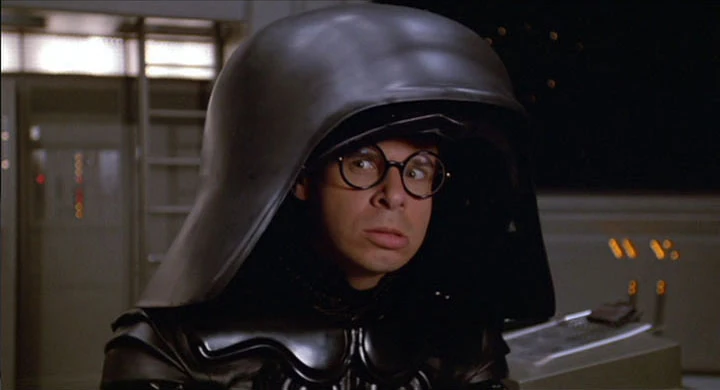
Of course, this limitation isn’t really a problem with a genuine parody because a parody is not supposed to stand on its own. Rather, they are intended to be understood in relation to the object they act as a parody of. Having a character like Dark Helmet in Spaceballs would make no sense on its own, but if you understand Dark Helmet as a parody highlighting the ridiculousness of Star War’s Darth Vader the character becomes quite funny. In this instance Spaceballs takes a stereotype of the sci-fi genre (characters wearing ridiculous things) and draws attention to the cliché in order to make the audience laugh. This is fine because Spaceballs is not supposed to stand on its own; you need to understand Star Wars to understand Spaceballs. The problem arises when filmmakers try to use this self-referential style as a substitute for innovation in stand-alone films.
I’m not saying self-referential movies themselves are bad. In fact most of them are quite good. Films like 22 Jump Street, Scream, Deadpool or Zombieland are all really fun, clever movies. The problem I’ve found with them is that they don’t contribute to the growth of the genre they exist in. Take, for example, 22 Jump Street. This movie was full of characters very obviously referencing the fact that they are in a movie. They joke that Ice Cube’s office looks like a cube of ice, that Jonah Hill looks far too old to pass as a college student, that the details of this case are almost exactly the same as the previous movie, ect. These lines make for some funny moments, and there is no denying that 22 Jump Street is a really funny movie that performed well both at the box office and with critics. The truth is, however, that this movie didn’t actually try to fix its shortcomings, instead they turned those shortcomings into comedy. So, while 22 Jump Street did a good job of making its audience laugh, it really didn’t do much to innovate or improve upon its previous iteration.
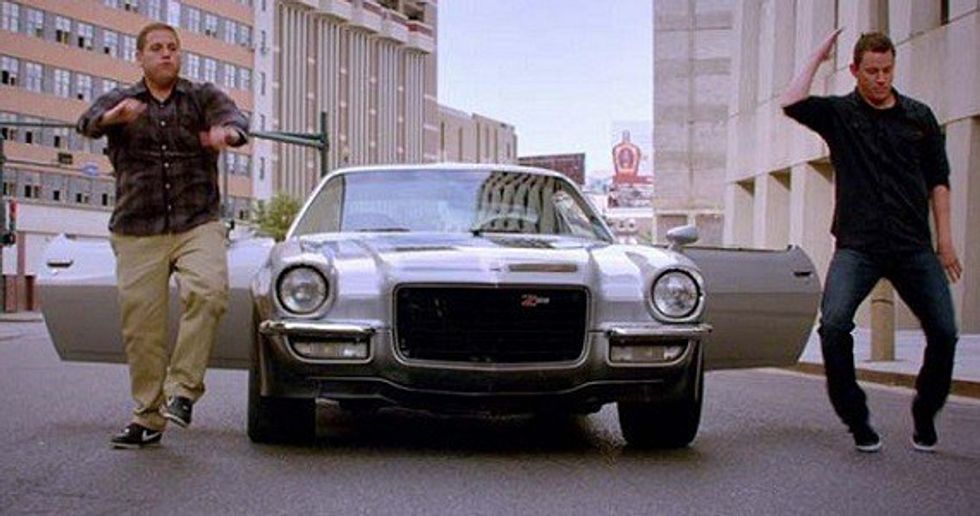
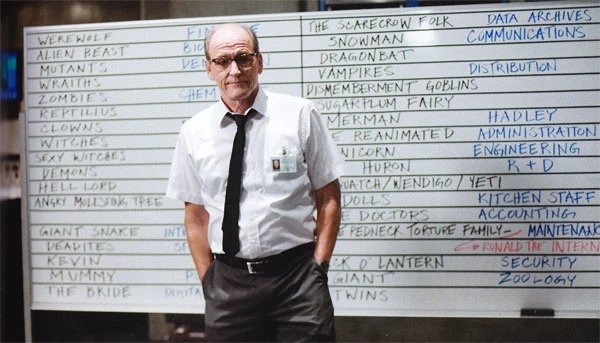
This means that the highest grossing comedy of 2014 was essentially a re-hashing of a remake of a bad 80’s sitcom. They took something bad (the original show), made it funny (21 Jump Street) and then made it even funnier (22 Jump Street). They may have made a bad concept enjoyable, but they never actually changed or improved the concept itself. It’s not just 22 Jump Street that found success with the approach, either. Zombieland made 4X its production budget, The Cabin in the Woods has a 92% on Rotten Tomatoes, Scream spawned 4 sequels (with a 5th on the way next year) and Deadpool is the highest-grossing ‘R’ rated movie of all time. These movies make money, and it’s not hard to understand why. Hollywood has essentially been repeating the same tired stories for 50 years now, so it’s refreshing when a movie is willing to acknowledge the tropes its relying on.
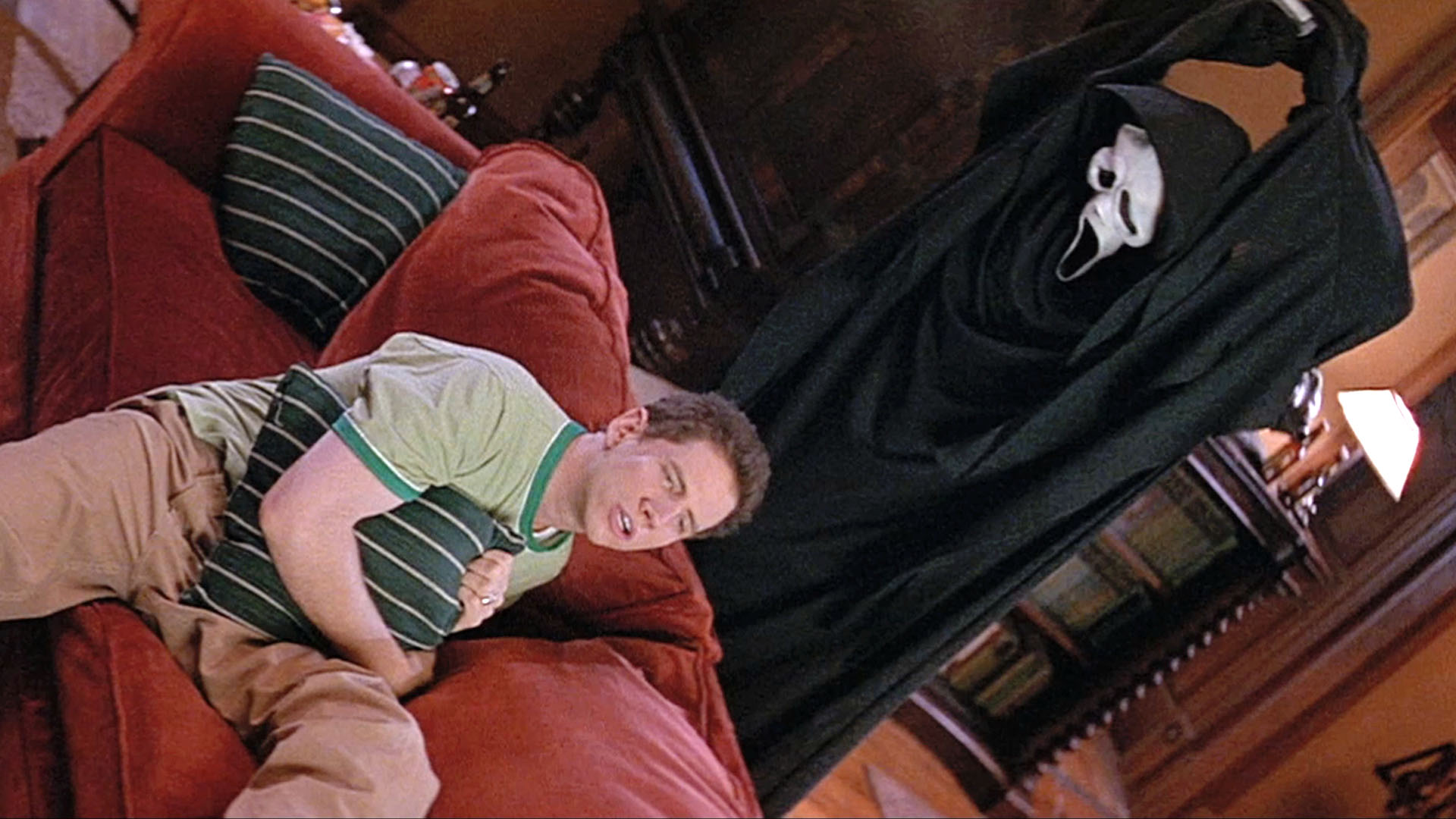
Take, for example, one of my favourite scenes from Scream, in which a character watching a horror movie yells at the protagonist of the movie he’s watching to turn around and see the killer sneaking up behind her, while a killer sneaks up behind him (it’s hard to describe, just watch the clip). This is a really clever scene that highlights the shortcomings of the horror genre, but it really doesn’t do anything to actually improve on the movies it mocks. We might be laughing at the metta commentary, or even mirroring the man’s actions, but the movie itself is simply repeating the same tropes of the genre it criticizes as cliché. The only genre that this style of filmmaking does expand upon is parody; a genre that (by definition) needs to be irrelevant in order to succeed.
To me, the genious of parody has always been that it pushes those being parodied to do better. By highlighting a genre or text’s flaws you alert an audience to them and pressure the authors to address these flaws. What we’re seeing today, however, is parody becoming the mainstream. Even movies that don’t overtly parody themselves will often include references or call-backs to previous works in the genre that exist purely to remind the audience of past films. Jurassic World uses the same shot of water rippling as Jurassic Park did, Sylvester Stallone calls Rambo a pussy in Tango and Cash, the list goes on and on. There is no improvement in these moments, only self-reference.
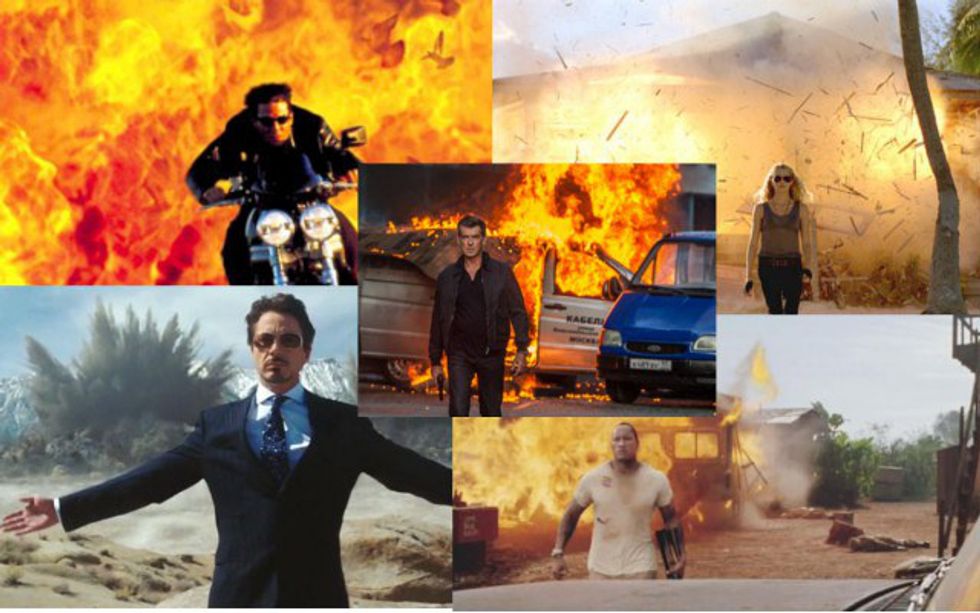
When these moments work, it’s usually because the moment or cliché being referenced has endeared itself to the audience in some way. It’s ok for Jurassic World to copy Jurassic Park because we all really liked Jurassic Park. With that said, these moments of self-reference will inevitably stagnate and become stale. We may have liked The Matrix’s effects, for example, but they quickly became old when every early-2000’s movie copied them. In this example self-reference became the norm, and the genre struggled as a result.
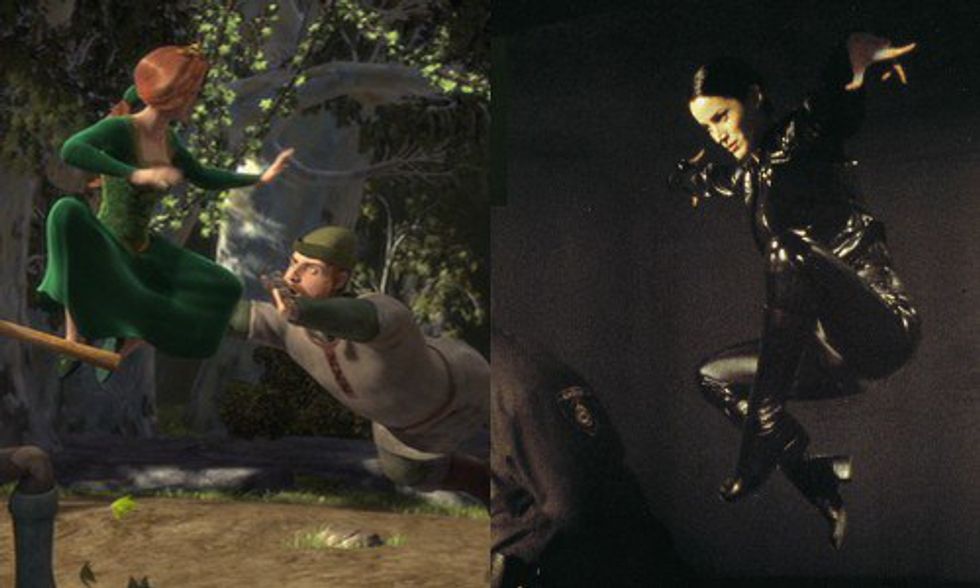
Only time will tell if this new wave of self-referential movies mark the end of storytelling or the beginning of a new genre. Either way, the next time you laugh at a movie pointing out how bad or cliche a plot device is, don't just give the movie a pass. Lazy storytelling is lazy storytelling, regardless of how much it makes you laugh.