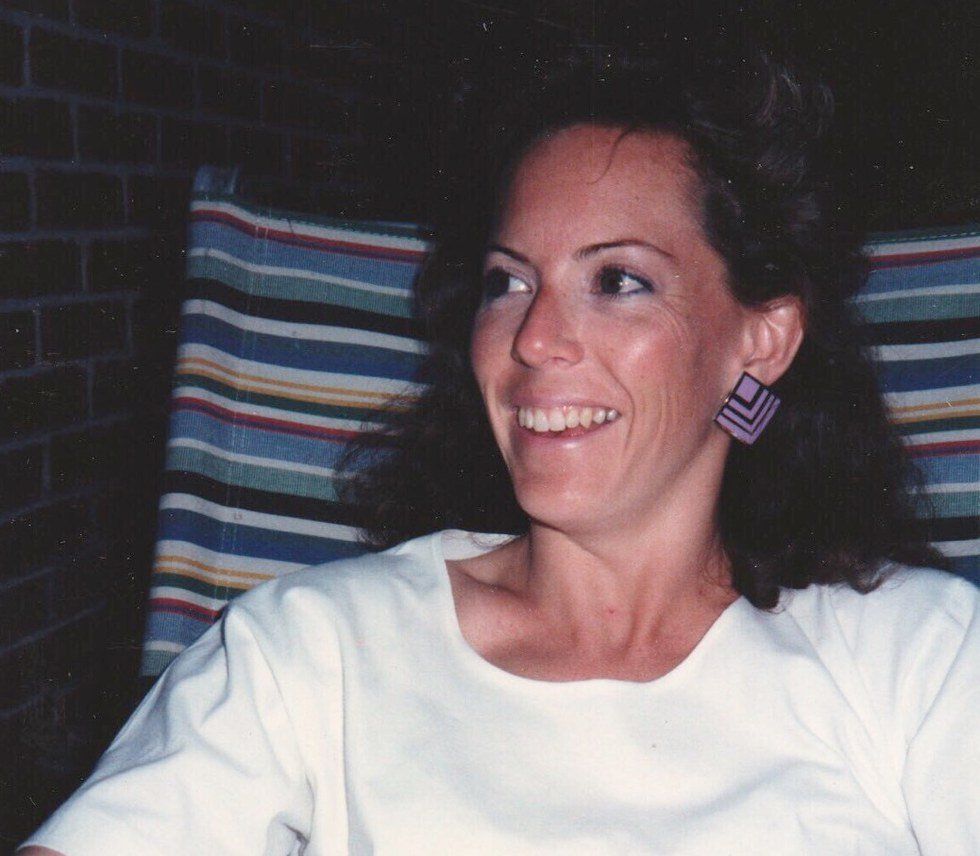
When I was a sophomore in high school, I read “The Fault in Our Stars” on an airplane and cried in front of a lot of strangers. It was a fine travel read but had very little relevance to my life at the time. It wasn't until my senior year that I began to think about the cheesy John Green bestseller more than I had ever anticipated I would. My mom was diagnosed with cancer the week before my last year of high school. It just so happens, that the day of my graduation was her "last good day" as John Green would put it. In the book, the idea of the “last good day” held so much beauty and significance that I always dreaded its presence. "Last good day" sounds so final and makes all other days sound unimportant. You obviously don't know it's the last until later, which is the weird (terrifying) part.
Personally, I hate the concept of "the last good day" and was quite annoyed at John Green for enstilling this fearful notion in my brain. I learned quite quickly, though, that the last good day has little significance. The next day the sun came up, and the earth continued to rotate, and my mom was still alive. No, the day after was not a "good" day, but it was still a day with her. It was a day spent lying in her bed listening to James Taylor and creating one of the last memories I have of her. Although the day was teary and awful and uncomfortable, it was real. All of the feelings I had that day were so intense and authentic that I didn't even care that it wasn't a "good" day. It was one of the most draining days I've ever experienced but it is so much a part of me and I am grateful for that day even if it was not a "good" day. There is such a stigma that if something is not good, it is not worthy of experiencing. But it is so important to embrace moments that are difficult or uncomfortable. These moments are extremely impactful and provide a foundation for personal growth.