


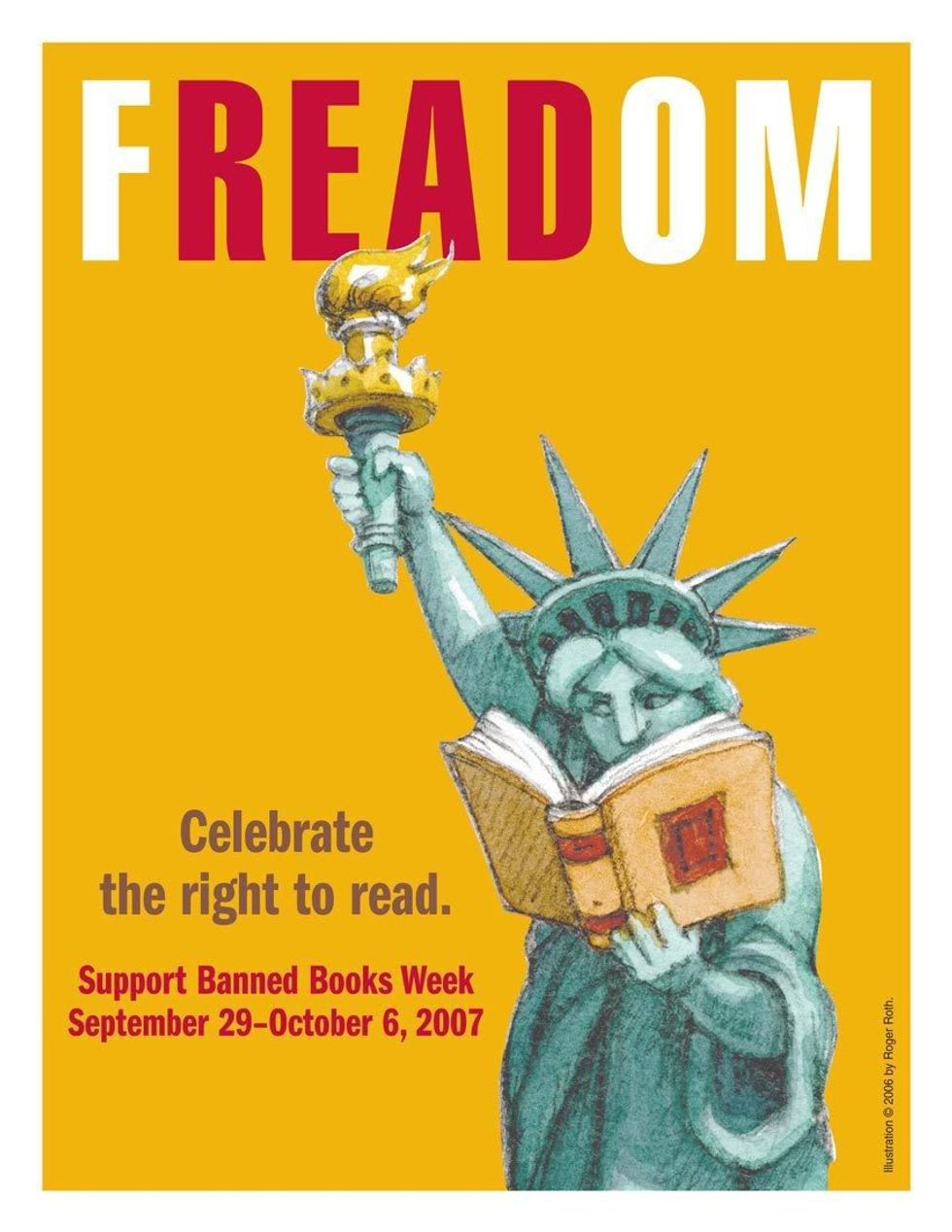
In the last year alone, there were over 5,000 books that were challenged by American citizens due to their personal opinion that the content is inappropriate and unsuitable for young adults to read. In the last year, the most common reasons for a book being challenged was due to sexual, explicit or homosexual content.
A book being challenged is different than it being banned. In order for a book to truly become banned, it must first be challenged by a citizen that is concerned about the content of a book. This can range from children’s books to textbooks and everything in between. The person challenging the book must then provide adequate evidence to the school district or other public institution, with reasons that the book is unsuitable to be publicly available. In most cases, the challenge does not become a ban, but many school districts do confirm the ban on books for a variety of reasons, as previously stated.
The most challenged book of 2015 was "Looking For Alaska" by John Green. John Green publicly commented on the banning of his novel, specifically discussing his frustration with the reason that it was banned. In the case of this novel, he discusses that there is one passage in the novel that was constantly cited as being inappropriate for young adults to read. This short passage depicts a scene between the two characters deciding to have sex or not. According to Green, this is taken out of context. He included this passage in order to discuss the pressure that society is putting on young adults to have sex, the passage is a way to address the problem with this societal view. Many school districts were successful in banning the novel, based on this lone passage, without looking at the book as a whole.
The example of "Looking for Alaska" is a prime reflection of the problem with the system of challenging and banning books. The novel itself doesn’t condone young adults to engage in sexual activity; rather, it is trying to deter them from doing so. The reason that it has been challenged so many times is the one passage that discusses a sexual experience. Without reading the rest of the novel, this passage could be seen as inappropriate, therefore resulting in the challenge becoming a ban.
The fact is that the novel was trying to express the societal pressure that comes with relationships; a problem that many people are going through. The novel is a way for a young adult to read and learn from the mistakes and successes of the characters. This is taken away when a book is banned.
People will always find something in a book that can be seen as offensive. But what makes books so compelling is the ability of books to change that world. While that statement is cliché, it has a lot of truth behind it. There are people everyday that struggle with problems that they can’t express. This can range from a teenage girl struggling with the complexities of a relationship or a high school boy desperately trying to come to terms with their sexuality. For people like them, reading a book that relates to their struggle can aid them in understanding and facing their problem. A book doesn’t have to change the world for it to have an impact, but banning them won’t even give them a chance.
I'm Nick, see you next week.

















