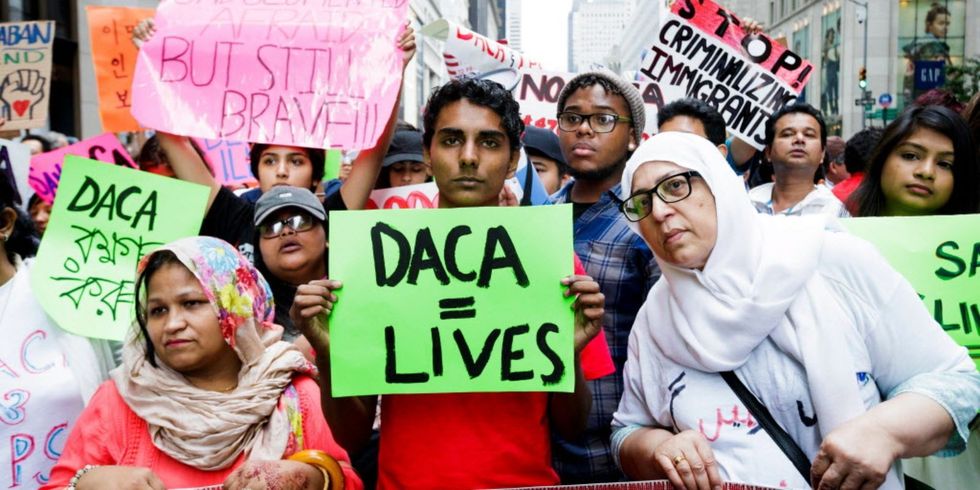
It’s January of 2018; it’s been a full year since President Trump first made his disdain clear for the Deferred Acton for Childhood Arrivals program. Since then, it’s been a bumpy road for both those personally affected by DACA complications and those who have chosen to follow the conflict.
Although the Trump-DACA conflict began last January, when he revoked privacy protections afforded to DACA recipients through executive order, the program wasn’t formally ended until September of 2017. Since then, approximately 122 DACA recipients have lost their protected status per day, cites Lauren Gambino of The Guardian. This toll accounts for the full 181 days between Trump’s executive order and March 5, 2018, when the program is set to expire completely.
However, although the impending expiry date seems bleak, there may be hope; on Tuesday the ninth, District Judge William Alsup of San Fransisco ruled that the Trump administration must legally uphold DACA protections nationwide until the courts reach an ultimate ruling on the matter.
Alsup’s injunction brought both jubilee and frustration from the media and its users. While many, civilians especially, have praised Alsup’s decision, Trump and his colleagues expressed their vexation with the “broken and unfair” American court system (Trump, Twitter). Soon following the ruling, the President took to Twitter to criticize the Ninth Circuit, where the decision was made, for unfairly catering to “the opposing side.”
The same day that he tweeted his condemnation of the Ninth Circuit, Trump used his Twitter platform to make a trade-off clear; in order for any DACA approval to proceed on his part, the building of the much-discussed border wall between the US and Mexico must become a reality. This point was made formally on the ninth, as the President held immigration talks with lawmakers.
At the meeting in question, which occurred prior to Alsup’s ruling, Trump and his colleagues outlined a possible compromise on the issue of immigration. The potential deal has four main tenets: to protect the Dreamers— DACA recipients— in some way, make changes to the diversity visa lottery program, tighten restrictions in the weighting of family relationships during immigration status consideration, and tighten border security. Whether the last tenet will manifest in the form of a physical barrier is unclear at this time.
Ultimately, the past week has brought multiple changes to the current structure of American immigration policy. For the time being, the March DACA expiry has been postponed. However, the expiry suspension is a temporary solution to a problem ingrained in Trump’s political platform: the partisanship of the American government, especially in the context of hot-button issues like immigration.
After Alsup’s decision, the White House stated its intent to appeal the ruling. If an appeal is made, it will be interesting to see if the issue makes it to the Supreme Court, a ruling in which could make serious changes to the way we view immigration and human rights.