

It is hardly debatable that Congress is filled with political polarization between the Democrats and Republicans. The legislative houses are filled with gridlock and strong party loyalties. This inaction leads to public frustration and an overall negative view of Congress; in fact, approval ratings have hit an all-time low. Yet, the real responsibility of congressional inaction lies with the public.
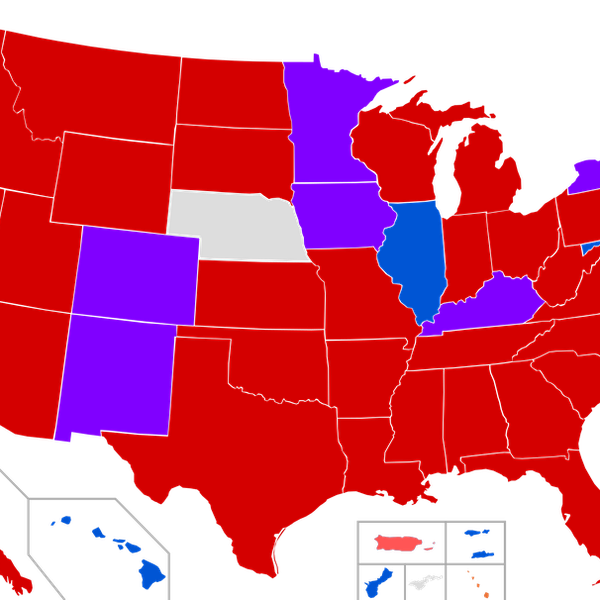
Ever since 1970, the parties have been on a path to becoming increasingly distant from one another. There is a group of swing states, while others are strongly polarized left or right. Not only are states clearly aligned with one party, but this polarization goes into the districts as well. For the vast majority of districts, there is no question as to which party will win the elections. Voters used to participate in split-ticket voting, or voting for members of different parties, but it is all but nonexistent now. Straight-ticket voting made up 92 percent of the votes for both parties in 2012.
Why would the public knowingly divide itself so extremely? The answer stems from underlying racial, cultural, and ideological differences. Each party has taken an opposing stance, appealing to opposite demographics. This has left little room for middle ground. Independents are becoming an endangered species; this lack of congressional moderation does not allow for congressmen to vote away from their parties. Moderates have the freedom to choose based on their own beliefs and constituent opinion; Democrats and Republicans have to maintain party loyalty, regardless of personal opinion.
The congressional polarization is a reflection of what happens in the voting booth, stemming from the views of the public. Congressmen are only responding to their constituencies when they stubbornly refuse to compromise. While the public wants action, they only want action that benefits their party and do not want to have to sacrifice their stance; yet that sacrifice is the only thing that leads to legislative measures. Congress doesn’t do anything, because they are trying to obey what the highly divided public wants, inevitably leading to gridlock. Congress is just a result of the public’s division, and it cannot be solely held responsible for legislative inaction.

















